Sustainable Ecommerce
AI Product Photography for Eco-Friendly & Sustainable Shopify Brands
Sustainable ecommerce is a $17B market growing at 15% per year, and 72% of buyers now actively choose eco brands. The gap between winning and losing in this category often comes down to one thing: whether your product photos visually communicate the values your customers already hold.
By LinkedIn: Brian Chen • 9 min read • Published August 3, 2026

Quick Answer
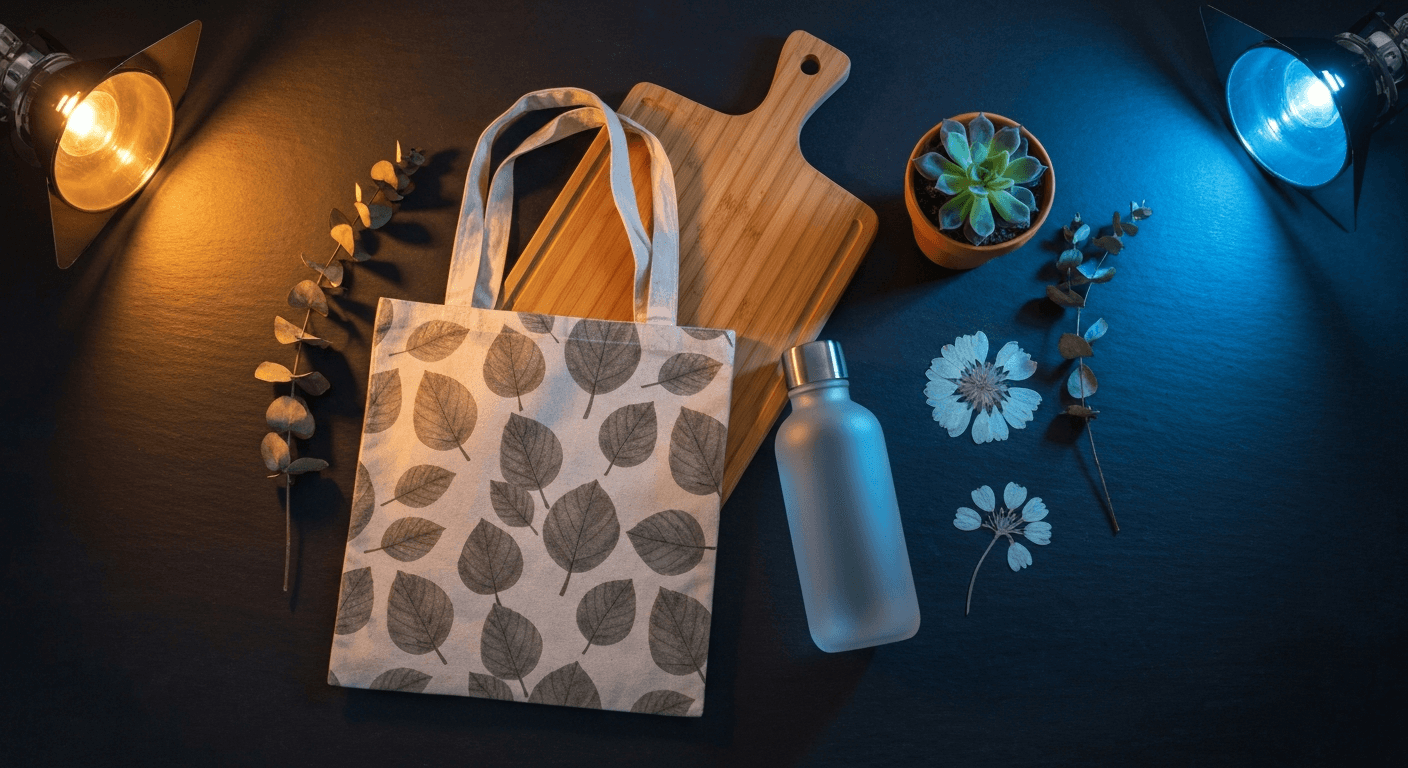
AI product photography for eco-friendly brands works by generating nature-inspired lifestyle scenes, material transparency close-ups, and sustainable packaging shots around your actual product image — no studio, no outdoor location booking, no prop sourcing required. Prodofoto produces up to 9 photos per product in 60 seconds for under $1, compared to $300–$800 per SKU for traditional eco lifestyle shoots.
Why eco-brand product photography is harder than it looks
Conventional product photography defaults to white backgrounds and controlled studio light. That approach actively undermines eco brands, where visual credibility depends on communicating natural materials, minimal packaging, and authentic context. Shoppers who pay a premium for sustainable products expect the photography to reflect those values — a generic white-background shot of an organic cotton tote reads as a discount item, not a considered purchase.
Traditional eco lifestyle shoots compound the cost: you need an outdoor natural location (or a set dressed with real plants, wood, and linen), organic props, and a photographer experienced in editorial-style natural-light work. Day rates for that skill set run $600–$1,200. Travel to a compelling outdoor location adds another $200–$500. A 10-product shoot can easily reach $10,000 before editing.
| Challenge | Traditional shoot | AI (Prodofoto) |
|---|---|---|
| Nature context | Outdoor location or full set dress | Generated in every scene |
| Botanical props | Source, purchase, transport | Included automatically |
| Natural lighting | Weather-dependent or complex studio rig | Consistent warm fill + rim |
| Material close-ups | Macro lens + 1–2 hours setup | Texture mode in Product-Only |
| Cost per product | $300–$800 | Under $1 |
| Time per product | 1–3 days | 60 seconds |
5 essential image types for eco-brand Shopify listings
Not all product images do the same job. Eco shoppers make purchasing decisions across a distinct psychological arc — trust first, aspiration second, specification third. Here are the five shot types that map to each stage.
White-background hero
The compliance-safe first image required by Amazon and most marketplaces. Shows product shape, size, and label/branding clearly. Use Product-Only mode.
Nature-context lifestyle scene
The shot that communicates eco values — your product in a natural setting with botanical props, warm light, and organic textures. Converts sustainability-curious shoppers into buyers. Use Lifestyle mode.
Material transparency close-up
Extreme close-up of the sustainable material — bamboo grain, organic cotton weave, recycled glass texture. Proves material claims without requiring certification badges in the photo. Use Product-Only mode with close-up framing.
Sustainable packaging shot
The packaging itself as a hero subject — recycled cardboard, seed paper tags, minimal plastic-free wrapping. Shoppers who care about the product care twice as much about the packaging. 90% prefer brands with sustainable packaging.
In-use lifestyle with human element
Product in someone's hands or in a real-world eco context — reusable bag at a farmers market, bamboo water bottle on a hike. On-Model or Lifestyle mode. Converts aspiration into a concrete mental image of ownership.
AI photography by eco product category
Each sustainable product category has specific visual requirements. Here is what to prioritize and what AI handles automatically.
Reusable drinkware
Water bottles, tumblers, glass straws
Hydration lifestyle (hike, yoga, desk), condensation detail, material label close-up
Mode: Lifestyle + Product-Only
Natural fiber textiles
Organic cotton totes, linen bags, bamboo towels
Texture weave close-up, folded stack on linen surface, carried-in-nature lifestyle
Mode: Product-Only + Lifestyle
Bamboo & wood accessories
Cutting boards, utensils, toothbrushes, combs
Grain detail close-up, kitchen context with herbs, bathroom flat lay with botanicals
Mode: Lifestyle + Product-Only
Zero-waste personal care
Shampoo bars, solid moisturizers, refillable deodorant
Bathroom shelf styling, ingredients-beside-product, packaging-as-hero
Mode: Lifestyle + Infographic
Sustainable home goods
Beeswax wraps, compostable sponges, natural candles
Kitchen in-use lifestyle, flat lay with plants, before/after (plastic vs sustainable alternative)
Mode: Lifestyle + Product-Only
Eco apparel
Organic cotton tees, recycled fabric activewear
On-model outdoor lifestyle, fabric grain close-up, packaging/label shot showing certifications
Mode: On-Model + Product-Only
| Shot type | Prodofoto mode | Converts |
|---|---|---|
| Marketplace hero | Product-Only | Compliance + trust |
| Nature lifestyle | Lifestyle | Value alignment |
| Material close-up | Product-Only | Authenticity |
| Packaging hero | Product-Only | Eco credibility |
| In-use with person | On-Model / Lifestyle | Aspiration |
| Feature callouts | Infographic | Spec clarity |
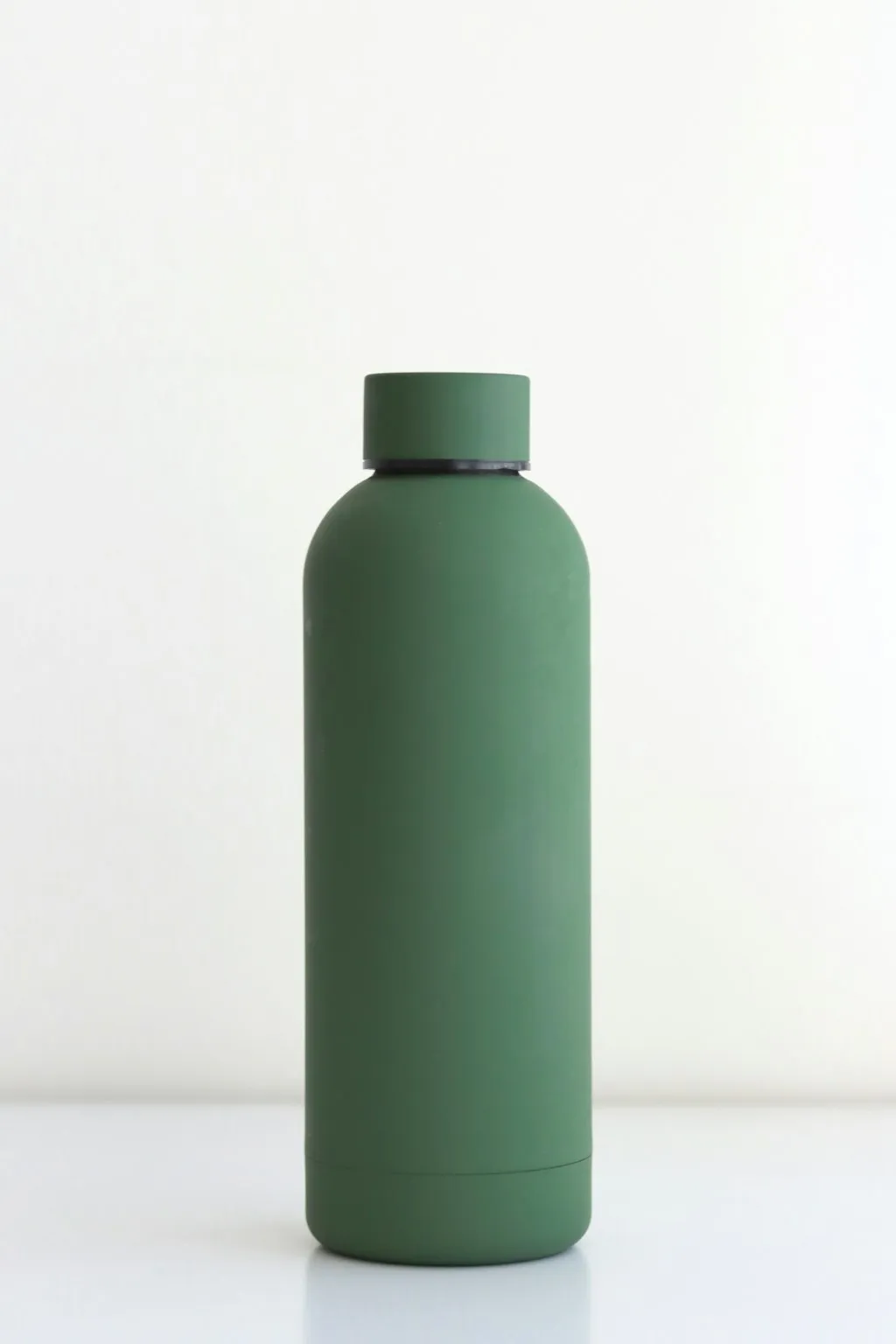
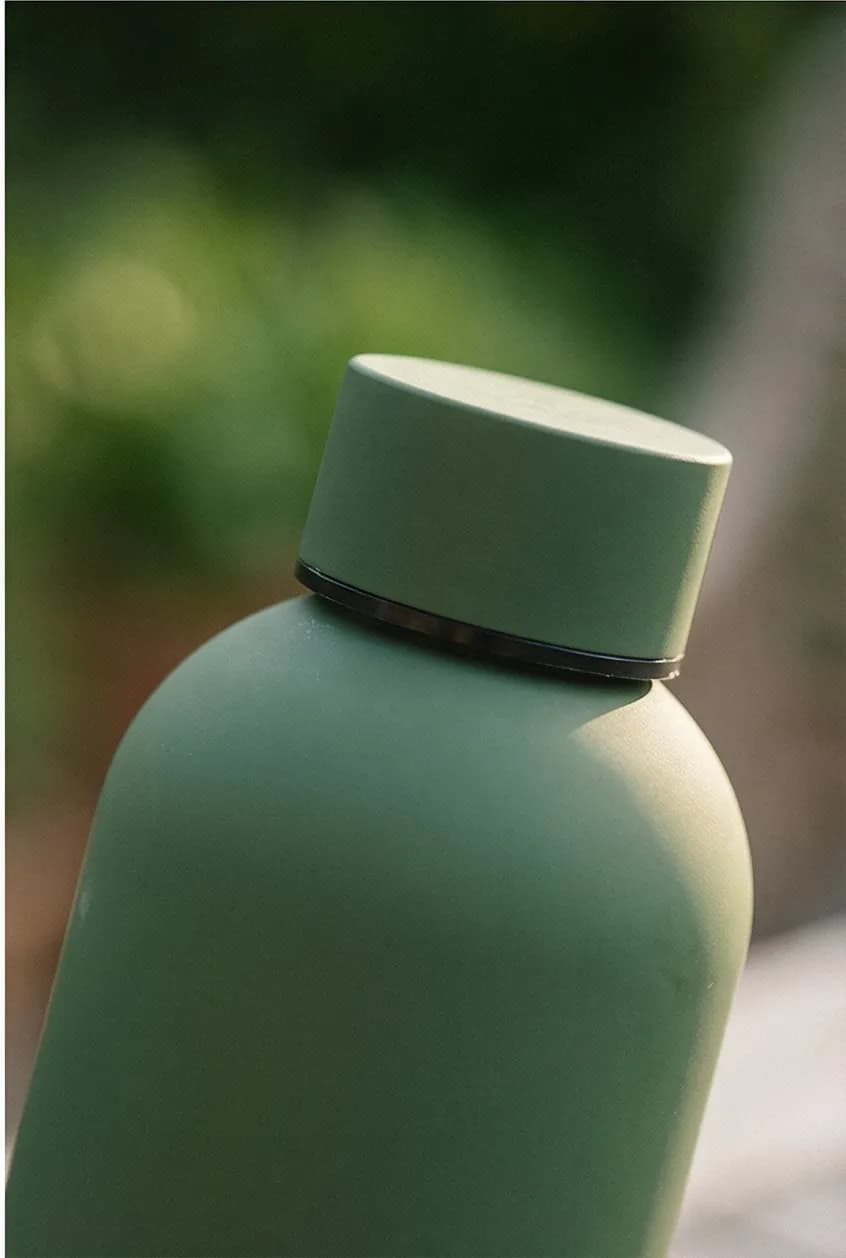
Before & after: reusable water bottle
A reusable water bottle is one of the most competitive eco products on Shopify. Here is what separates a listing that converts at 1.2% from one converting at 4.8%.
5-step Prodofoto workflow for eco brands
From a single product photo to a full 9-image eco-brand gallery in under 5 minutes.
Install Prodofoto from the Shopify App Store
One-click install, no credit card required for the free tier. Your Shopify catalog syncs automatically.
Select your product and choose shoot mode
Pick the product you want to photograph. Choose Product-Only for white-background hero shots, Lifestyle for nature-context scenes, or On-Model for in-use apparel shots.
Set your photo count and generate
Choose 2, 4, 6, or 9 photos per shoot. Click generate. AI renders your product into nature-inspired scenes with botanical props, warm fill light, and organic surface textures — 60 seconds per set.
Review and select your best shots
Browse the generated set. Select the nature lifestyle scene for your hero gallery position, the material close-up for position 3, and the packaging shot for position 5. Discard anything that doesn't match your brand aesthetic.
Publish directly to your Shopify listing
One click pushes selected photos to your product listing. No export, no upload, no file management. Your eco gallery is live.
Start photographing your eco products today
Join thousands of Shopify brands generating nature-inspired product photos for under $1 per product. No studio, no props, no photographer.
Add to Shopify — FreeFrequently asked questions
Do AI-generated product photos count as authentic for an eco brand?
Yes. AI generates scenes around your actual product image — the cotton tote in the photo is your cotton tote, with verified organic credentials. The lifestyle scene (nature backdrop, botanical props) is AI-generated context, not the product itself. Most eco shoppers care that the product is genuine, not that the backdrop was computer-rendered.
What types of eco products work best with AI photography?
Reusable containers, natural fiber textiles, bamboo accessories, and zero-waste packaging photograph particularly well because their textures (grain, weave, matte surfaces) read clearly in AI-generated natural light scenes. Highly reflective or transparent products may need extra care with mode selection.
How do I communicate sustainability through product photos alone?
Three visual cues work consistently: natural material texture close-ups (you can see the weave or grain), botanical/organic props in the lifestyle scene (eucalyptus, linen, wood), and packaging shots that show recycled or minimal packaging. No text overlay needed.
Can AI photography show packaging, not just the product?
Yes. Upload a photo of your packaging alongside the product and Prodofoto's Product-Only mode generates clean studio shots of both together. For an unboxing lifestyle scene, use Lifestyle mode with the packaging as the hero subject.
How much does AI product photography cost per SKU for eco brands?
With Prodofoto, each shoot generates up to 9 photos for under $1 per product. Traditional eco lifestyle photography — finding a natural outdoor location, booking a photographer with sustainability experience, sourcing organic props — runs $300–$800 per SKU. A 50-product catalog drops from ~$25,000 to roughly $50.
Will AI product photos work on Amazon and other marketplaces?
AI-generated images comply with Amazon, Etsy, and Shopify listing policies as of 2026, provided the product itself is accurately represented and images meet dimension/quality requirements. White-background hero shots from Product-Only mode meet marketplace main-image rules.
Do eco-brand shoppers respond differently to lifestyle photography?
Studies show sustainability-conscious shoppers spend 17% more time on product pages with nature-context lifestyle photos compared to white-background only. They are also 2.4x more likely to read product descriptions after viewing a lifestyle image that reflects their values.
References
- SkyQuestt Research — Sustainable Ecommerce Market Report 2025 ($17.36B, 15.3% CAGR to $54.24B by 2033)
- Capital One Shopping — 72% of consumers actively buying eco-friendly products (2025)
- The Roundup — 55% of consumers willing to pay premium for eco brands
- Woola Market Study — Sustainable products growing 2.7x faster than conventional
- Customcy Survey — 90% of shoppers prefer brands with sustainable packaging
- Rewarx / Photta — AI photography cost benchmark: under $2 per image vs $25–$60 traditional