Comparison
The 5 Best Apps for Dropshipping on Shopify in 2026
Most dropshipping app lists rank five ways to do the same job: import a supplier's product and forward the order. You need one of those. But the app that imports your product imports it for every other store too, with the same photos. This list covers the three sourcing apps worth choosing between, plus the two apps that change what a shopper sees and what buying from you feels like.
By LinkedIn: Brian Chen • 14 min read • Published October 6, 2026

Quick Answer
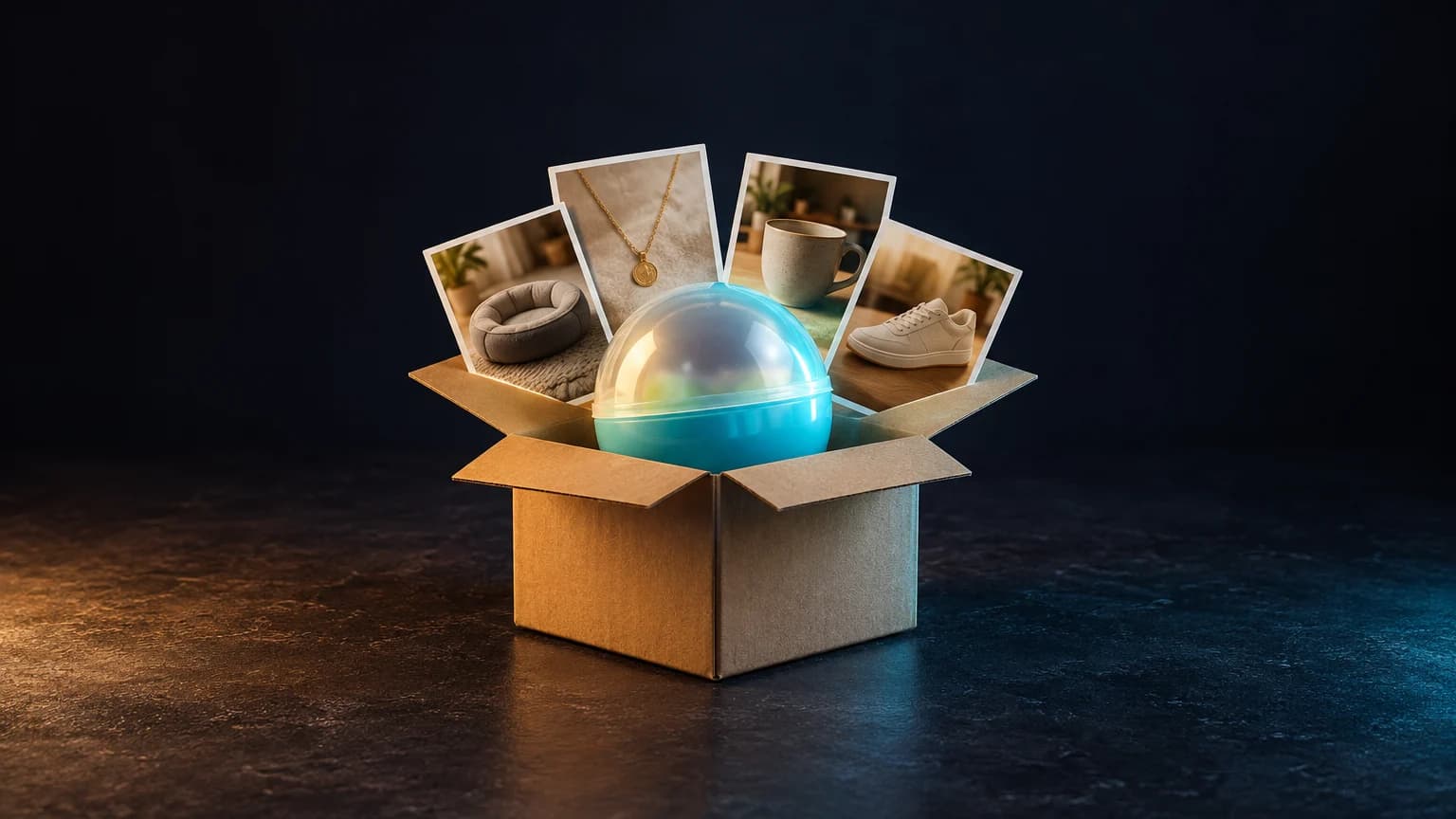
The five best apps for dropshipping on Shopify in 2026, split by the job they do:
- DSers: the easiest way to source and fulfill from AliExpress, with a free plan.
- AutoDS: automation across many suppliers once you outgrow one catalog.
- Syncee: vetted suppliers in the US, EU, UK, Canada, and Brazil for faster shipping.
- Prodofoto: turns the supplier photo every competitor shares into original lifestyle, on-model, and ad images, at about $1 per generation.
- Chancey: lets you sell blind boxes and mystery boxes built from products you already list, so customers buy a reveal, not just an item.
Pick one of the first three. Add the last two to stop competing only on price.
The 5 Apps, Side by Side
Prices are the lowest paid monthly plan shown on each Shopify App Store listing. Ratings show the average score and review count. Prodofoto and Chancey are new, so their review counts are small.
| App | Job in your stack | Best for | Free plan | Paid from | Rating (reviews) |
|---|---|---|---|---|---|
| DSers | Source from AliExpress | First store, AliExpress catalog | Yes | $19.90/mo | 5.0 (6,337) |
| AutoDS | Automate many suppliers | Scaling past a few dozen SKUs | No (trial) | $26.90/mo | 4.6 (1,317) |
| Syncee | Faster-shipping suppliers | US, EU, UK, CA, and Brazil suppliers | Yes (25 products) | $39.99/mo | 4.1 (550) |
| Prodofoto | Original photos and ad creatives | Replacing the supplier photos everyone shares | Yes (10 credits) | $9.99/mo | 5.0 (4) |
| Chancey | Blind boxes and mystery boxes | Selling a reveal, not just an item | Yes ($100 box sales) | $9.99/mo | 5.0 (2) |
Why Most Dropshipping Stores Look Identical
A supplier app copies the product title, the variants, the price and the supplier's photos into your store. That is the point of the app, and it is also the problem. Every store that imports the same listing starts with the same photos. A shopper who scrolls past three ads for the same pet bed sees the same white-background image three times, and the only thing left to compare is price.
Shopify says this plainly in its own guide to dropshipping: the model brings "intense competition, resulting in lower profit margins as businesses undercut each other." The supplier apps know it too. DSers now sells AI image tools as paid add-ons. CJdropshipping offers a paid photo and video shooting service. Zendrop and AutoDS advertise AI ad generators.
Once two stores carry the same product, a supplier can't give one of them an edge. Two things still can: how the product looks in your ads and on your product page, and what buying it feels like. That is how we split the list. Apps 1 to 3 handle sourcing and shipping. Apps 4 and 5 handle the two levers your competitors can't import.
Part 1: Source and ship
Pick One Sourcing App
You only need one of these to start. They overlap heavily, so the right one depends on where your suppliers are and how many products you plan to run.
1. DSers: The Easiest Start for an AliExpress Catalog
DSers imports products from AliExpress, 1688, Alibaba and TikTok with one click, then places supplier orders in bulk. It keeps stock, prices and order status in sync automatically, and it uses AI to match products to suppliers. Its listing has the highest rating and by far the most reviews of any app here: 5.0 from 6,337 reviews.
- Pricing: free Basic plan. Advanced is $19.90 per month and Pro is $49.90 per month, with a 14-day trial. An Enterprise plan is listed on dsers.com.
- Best for: a first store testing products from an AliExpress catalog.
- Watch out for:it imports the supplier's photos. You can't edit images or upload your own on the free plan, and AI scene generation is a paid add-on.
2. AutoDS: Automation Across Many Suppliers
AutoDS connects to more than 1,000 suppliers, including AliExpress, Amazon, Walmart and suppliers in the US and EU. It fulfills orders automatically, monitors prices and stock, and supports print-on-demand. If you run dozens of products from several suppliers, automation like this saves the most time. Rating: 4.6 from 1,317 reviews.
- Pricing: no free plan. Import starts at $26.90 per month for 200 products, then Starter at $39.90 and Advanced at $66.90. The trial lasts 3 days.
- Best for: stores scaling past a handful of products and suppliers.
- Watch out for: price and stock monitoring start on the Starter plan, not the Import plan.
3. Syncee: Faster Shipping From Vetted Local Suppliers
Syncee is a marketplace of vetted suppliers in the US, Canada, the EU, the UK and Brazil. It syncs products automatically, forwards orders to suppliers, and offers a path to buying wholesale. It is the only app in this list with the Built for Shopify badge. Rating: 4.1 from 550 reviews.
- Pricing: free plan for 25 products. Paid plans are Basic at $39.99, Pro at $59.99 and Business at $99.99 per month.
- Best for: stores selling to US or European shoppers that need faster delivery than overseas shipping.
- Watch out for: products from local suppliers often cost more, so check your margin before you list them.
Also worth a look
- CJdropshipping (4.9 from 2,857 reviews): a sourcing agent with global warehouses, custom packaging, and a paid product photo and video service.
- Zendrop (4.5 from 1,265 reviews): US and global suppliers, custom branding, and AI ad generation.
- Spocket (3.5 from 621 reviews): a long-running source of US and EU suppliers. Its rating has slipped, so read recent reviews first.
Part 2: Stand out
The Two Apps Your Competitors Can't Import
Sourcing apps make your store work. These two make it different from the next store selling the same product.
4. Prodofoto: Turn One Supplier Photo Into a Month of Creatives
Paid social runs on fresh images. TikTok's creative best practices recommend 3 to 5 different creatives per ad group and 3 to 5 ad groups per campaign. That can be 25 creatives for one product. Meta says creative fatigue sets in when an audience has seen the same creative too many times, and that the fix is a new image or video that is "materially different." A dropshipper with one supplier photo, the same one every competitor has, has nothing to rotate in.
Prodofoto is a Shopify app that generates new product photos from the images already on your listing. Pick a product, choose a mode, and get back 2, 4, 6 or 9 photos in one generation. The five modes cover what a social calendar needs:
- Lifestyle: the product in a real-world scene, with six scene presets from outdoor to modern minimal.
- On-Model: apparel and accessories shown on an AI model.
- Product-Only: clean studio shots on a background color you choose.
- Infographic: the product with callouts for features and benefits.
- Copycat: match the lighting, composition and mood of a reference image, such as the look of your best-performing ad (Pro and Business).
Pro and Business plans also include bulk generation for 2 to 4 products at once and multi-product scenes that put 2 to 4 products in one shot. You can edit any result in plain English, restore earlier versions, and publish to the Shopify listing in one click.
The creative math
A generation costs 5 credits whether you ask for 2 photos or 9. Credits cost $0.13 to $0.20 on monthly plans, so a generation costs about $0.67 to $1.00. Three 9-photo generations in different modes give you 27 distinct images for one product, enough for TikTok's suggested 25-creative campaign, for roughly $2 to $3. Every install gets 10 free credits, enough for two generations.
What it looks like with real catalog photos
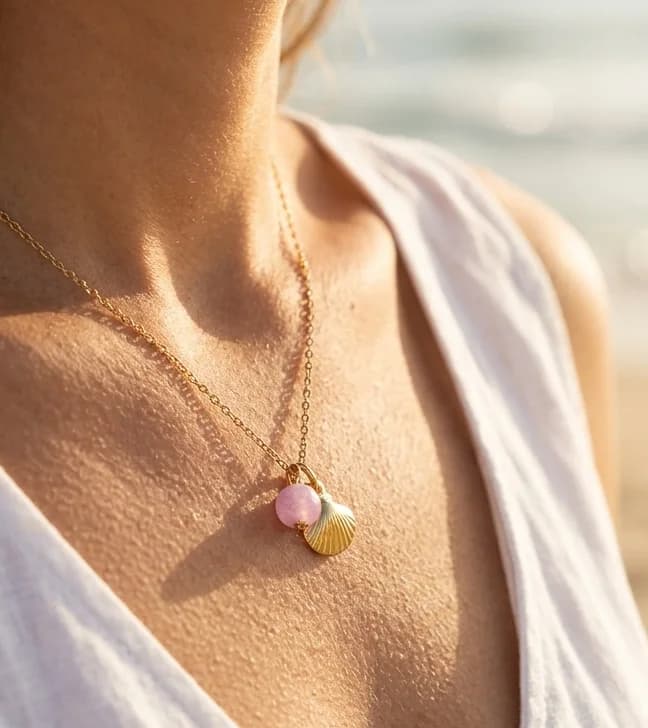
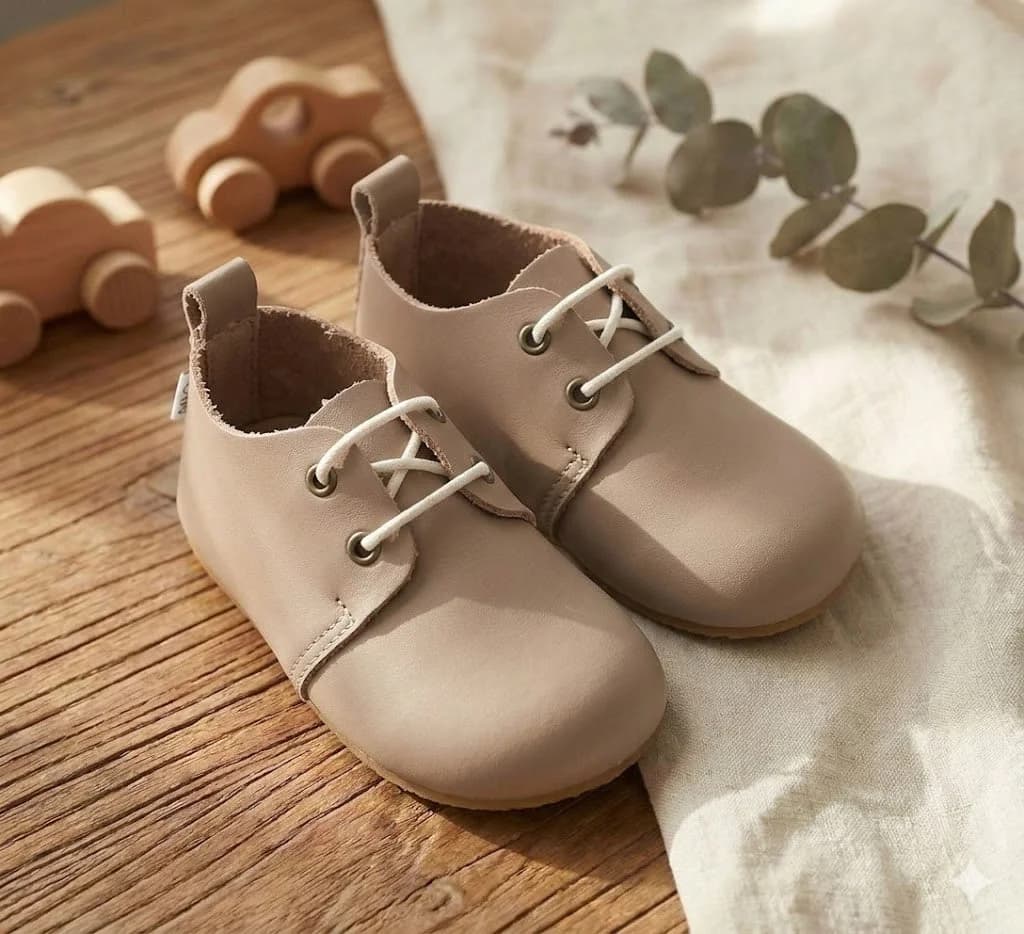
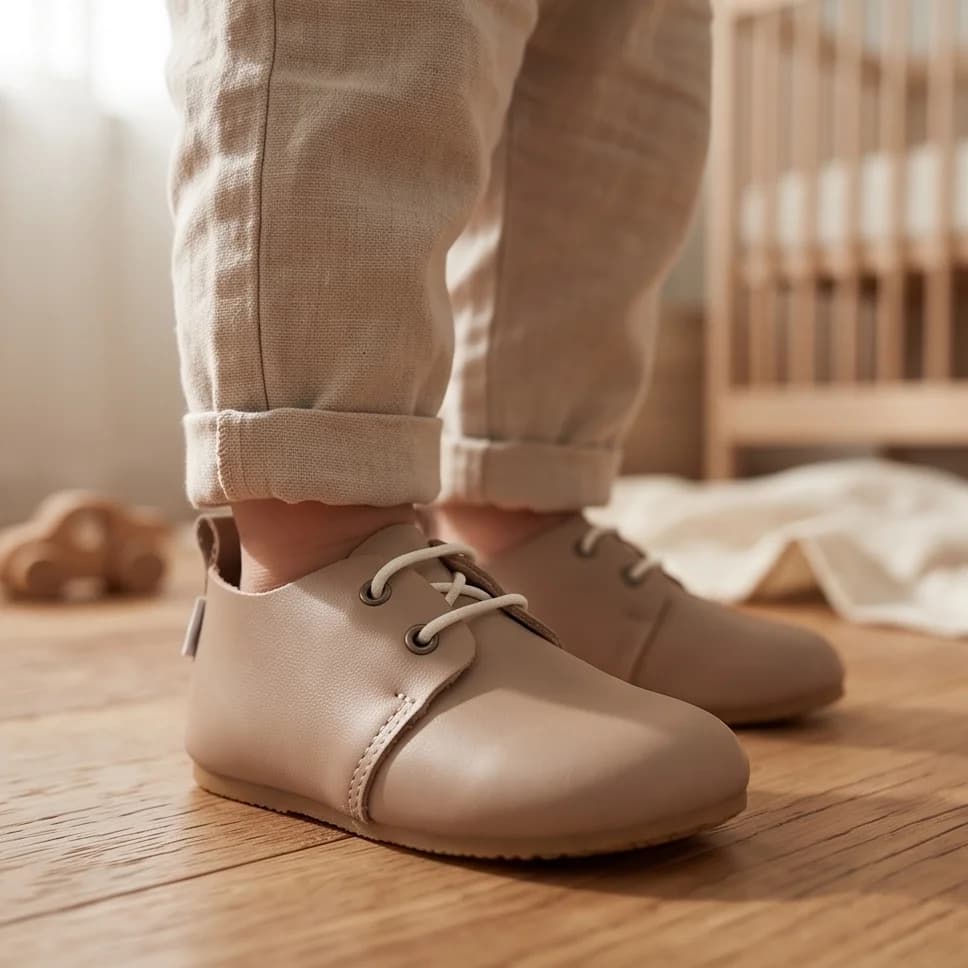
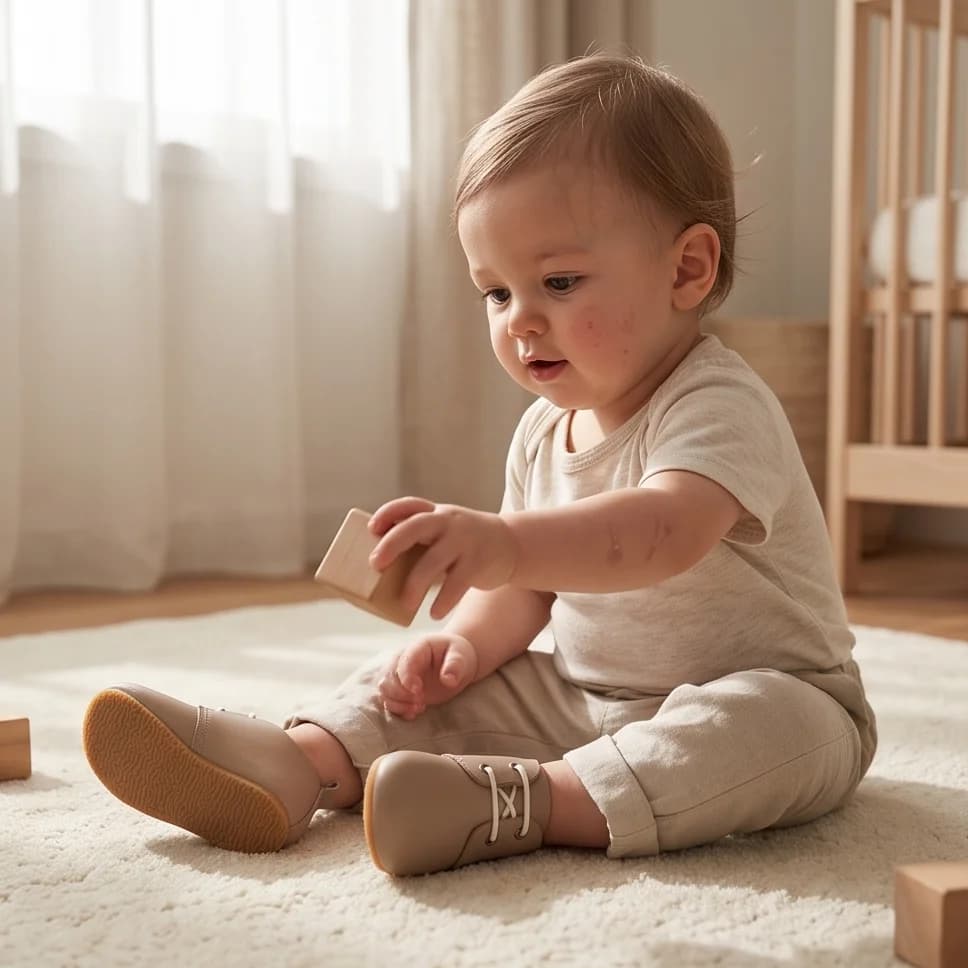
Each row starts with the product photo a Shopify merchant uploaded, then shows two images Prodofoto generated from it. These are real merchant generations, not mockups.
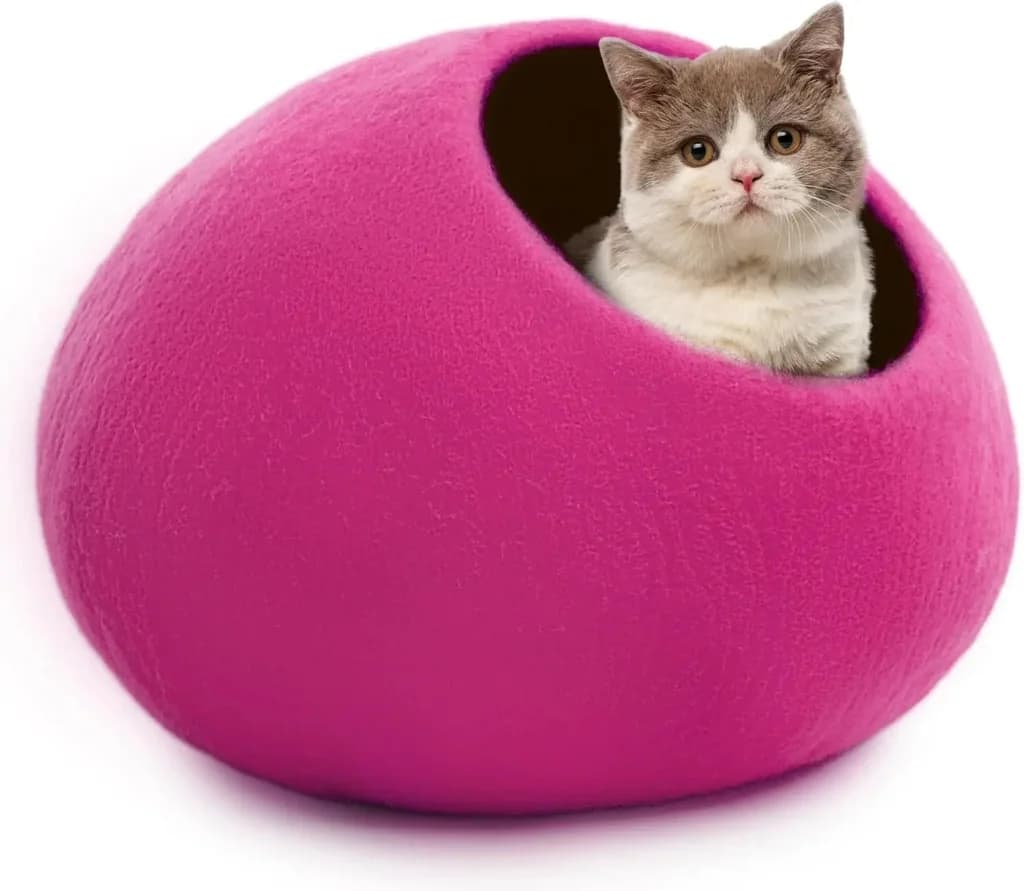
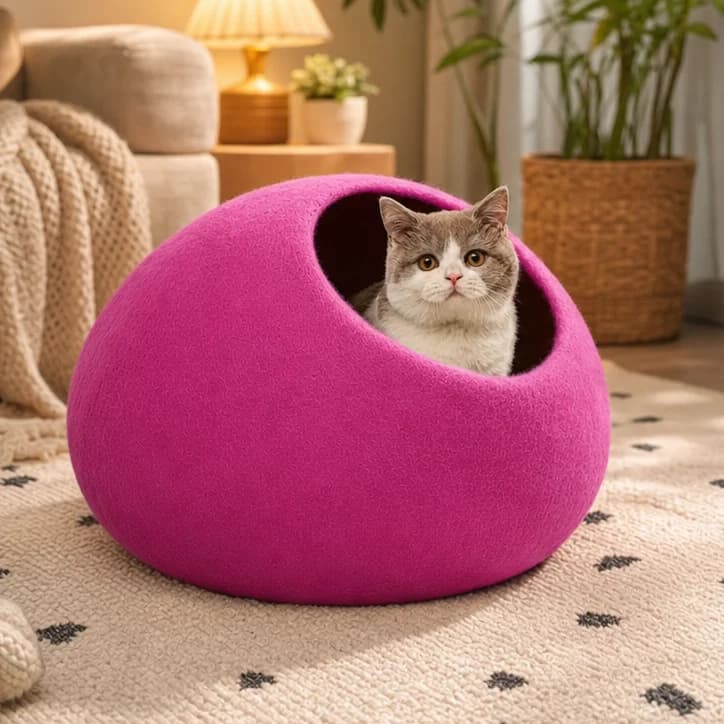

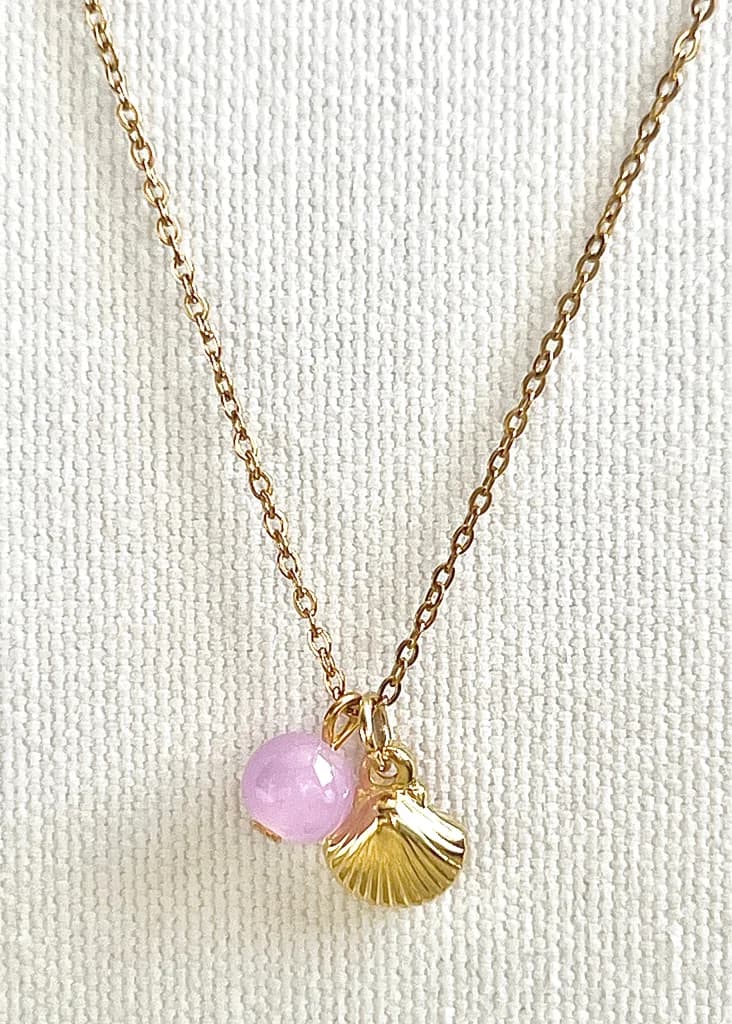

- Pricing: free plan with 10 credits. Starter is $9.99 per month for 50 credits, Pro is $29.99 for 200, and Business is $79.99 for 600. Unused credits roll over.
- Best for:any dropshipper running paid social, and any product page still using only the supplier's photos.
- Watch out for: Prodofoto makes square images today, so crop for 4:5 or 9:16 placements. Supplier items can vary from their photos, so order a sample and check that every generated image matches the real product's color, size and materials.
5. Chancey: Sell the Reveal, Not Just the Product
A blind box is a product where the buyer knows every possible item and the odds, but not which item they will get until after they pay. The format turns a commodity purchase into a small event. Customers film the opening, share it, and come back for the item they didn't get. That is the one thing a dropshipper can sell that the store next door can't copy by importing the same product.
The numbers behind the blind-box boom
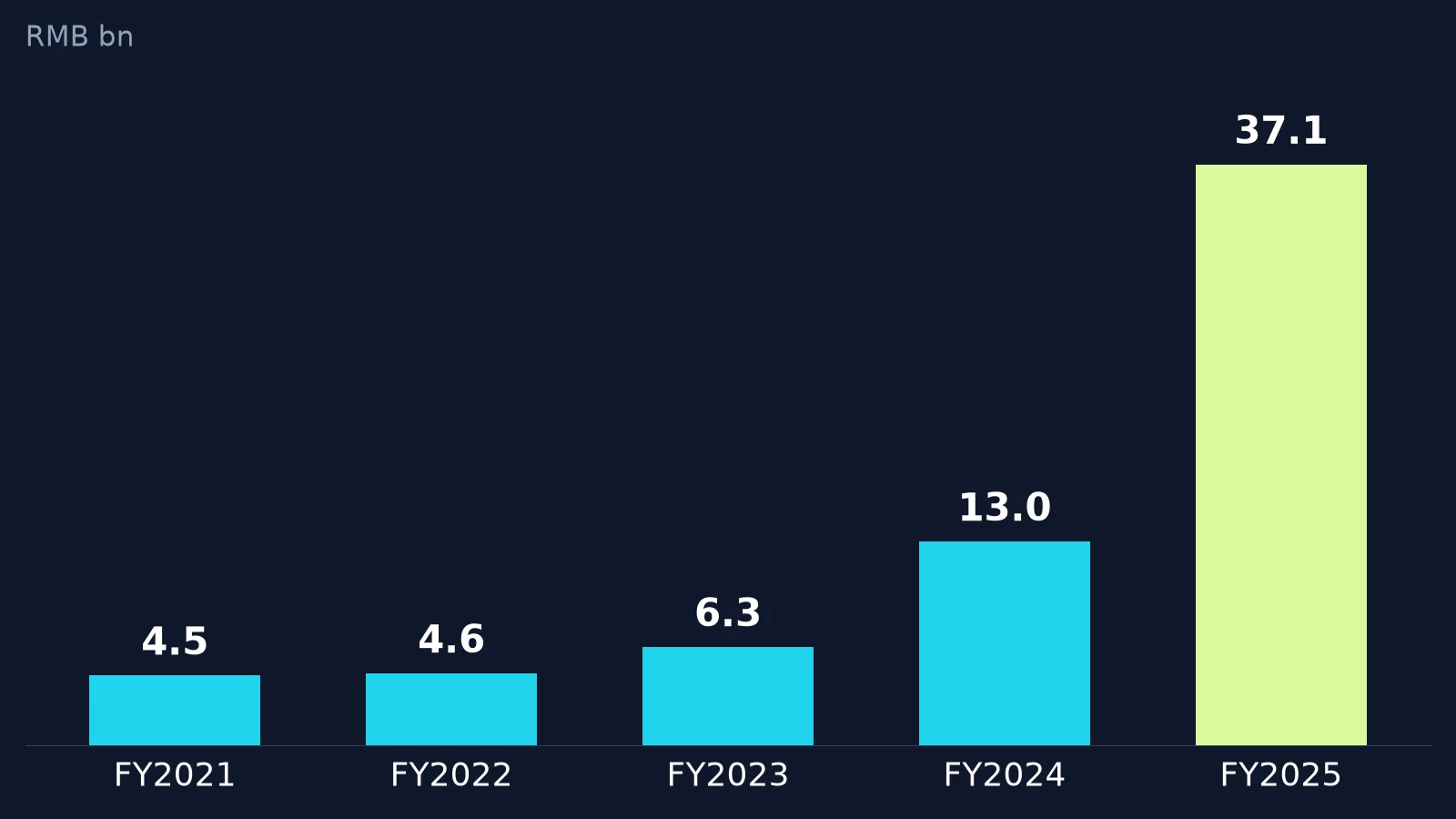
Pop Mart, the Hong Kong-listed company behind Labubu, is the clearest proof that blind boxes are a business model, not a fad. According to its HKEX filings, revenue grew from RMB 4.5 billion in 2021 to RMB 37.1 billion in 2025, up 184.7% in 2025 alone. Its gross margin was 72.1% in 2025, and 55.7% of its mainland China members bought more than once.
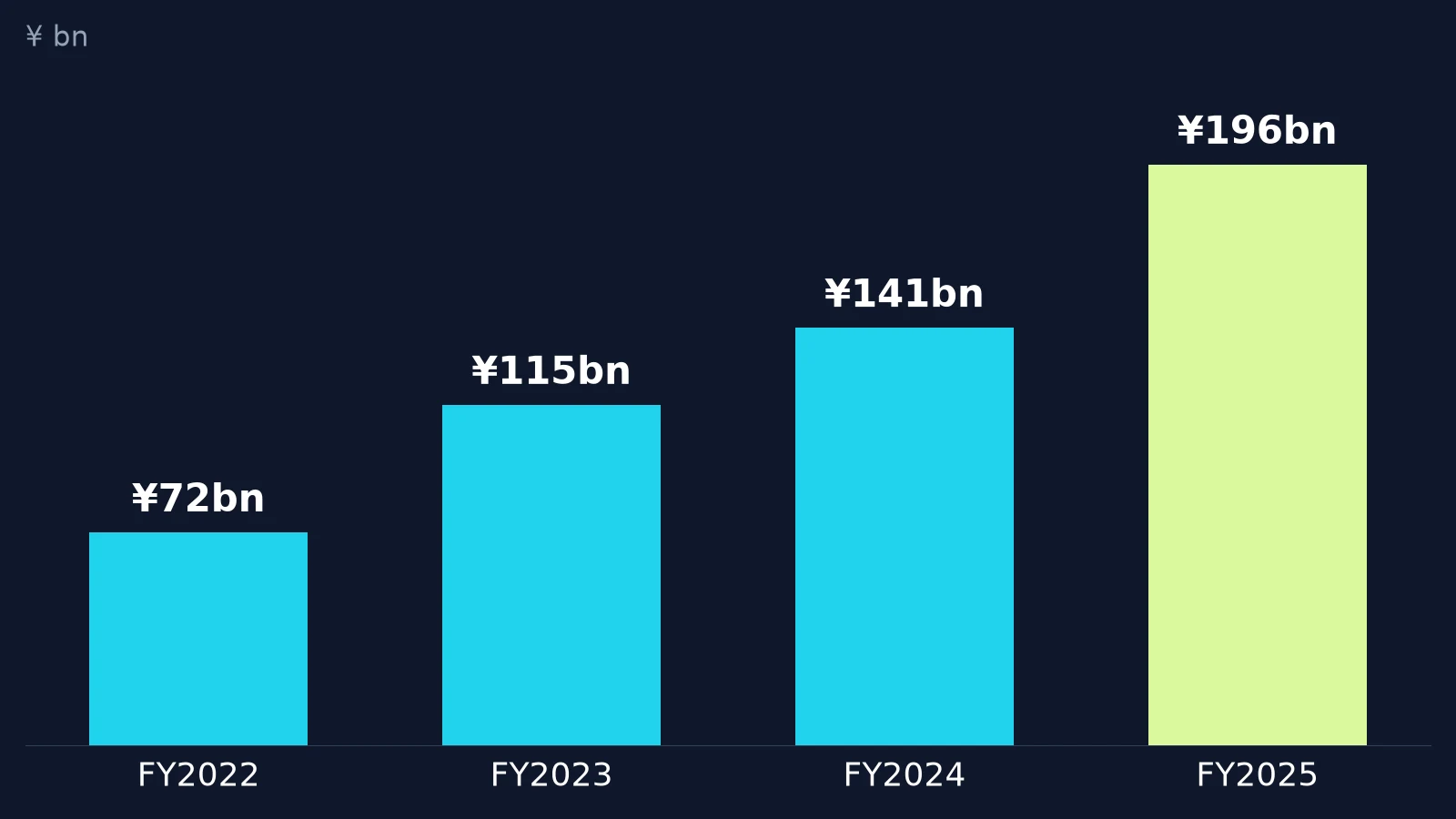
It is not only one company. Japan's capsule-toy market, the gachapon machines that inspired the format, grew to about ¥196 billion in shipments in 2025, up 39% in a year, according to the Japan Capsule Toy Association. Circana reports that collectibles sales grew 32% in 2025 and now make up almost 19% of global toy sales in dollars. Reuters reported that Target doubled its blind-box range for the 2025 holidays, and Circana analyst Juli Lennett described shopper behavior this way: "they don't buy one, they buy 10, and 30. There's the chase."
Labubu itself is cooling. In the first half of 2026, Pop Mart's overseas revenue fell 11.1% year over year. But the format is bigger than one character. Research backs the mechanic: in a 2015 study in the Journal of Consumer Research, Shen, Fishbach and Hsee found that people spent more effort, time and money pursuing an uncertain reward than a certain one of equal or greater value. The effect held when people focused on the process of getting the reward, which is what a reveal is.
How Chancey works for a dropshipping store
Chancey builds the box from real Shopify products you already list. You don't need new suppliers or new SKUs.
- Prize pool: pick products and variants from your catalog and group them into rarity tiers, from common to secret, or name your own tiers.
- Odds without stock: dropshipped products usually have untracked inventory. Chancey lets an untracked variant be an unlimited prize, and you set its odds with weights. Products with tracked stock can be limited prizes too.
- Transparent odds: a storefront block shows the odds for every item, and draws are provably fair: buyers can verify the result afterward.
- The reveal: after checkout, the buyer opens the box on the order confirmation page with one of five reveal animations, including a pack rip and a scratch card. If they never open it, Chancey reveals it automatically after 24 hours by default.
- The order: on new installs, the won product is added to the same Shopify order as a real product line at $0. Shopify holds fulfillment until the reveal finishes, so nothing ships before the customer knows what they won.
- Pricing: free plan for up to $100 in box sales per billing cycle. Starter is $9.99 per month for up to $1,000 in box sales, and Pro is $49.99 for up to $5,000. Above the included amount, Chancey charges 2% of the box price.
- Best for: niche stores with five or more related products, such as pet toys, jewelry, beauty minis, phone accessories or collectibles.
- Watch out for:you are responsible for odds disclosures and local rules on chance-based sales. Read Chancey's guide Is Gachapon Gambling? before your first drop.
Blind-Box Math for a Dropshipping Store
Here is a hypothetical mystery box for a pet-toy store. The costs and prices are illustrative, so use your own supplier costs.
| Tier | Item | Odds | Supplier cost | Retail price |
|---|---|---|---|---|
| Common | Rope tug toy | 50% | $3 | $12 |
| Uncommon | Plush squeaky set | 30% | $5 | $18 |
| Rare | Snuffle mat | 15% | $9 | $29 |
| Legendary | Automatic ball launcher | 5% | $28 | $79 |
- Average product cost per box: $5.75 (0.50 × $3 + 0.30 × $5 + 0.15 × $9 + 0.05 × $28).
- Average retail value per box: $19.70.
- Box price: $19.99, which leaves about $14.24 per box before shipping, payment fees and ads.
Two rules keep this honest. First, price the box near the average retail value, so a buyer who does the math doesn't feel cheated. Every box here is worth at least $12 at retail. Second, budget shipping by tier. A ball launcher costs more to ship than a rope toy, and the 5% of boxes that contain one still need to make money.
Use Prodofoto and Chancey Together
A blind box sells a whole pool of products, so it needs a cover image that shows the pool. Prodofoto's multi-product scenes (Pro and Business) can put 2 to 4 of the pool's products in one styled shot, in the same light. Upload that as the box artwork in Chancey, and use Lifestyle and On-Model generations of each prize for the ads that tease the drop. The two apps don't connect automatically yet, so for now you download from Prodofoto and upload to Chancey. Read about the Prodofoto and Chancey partnership.
A 30-Day Launch Plan for a Dropshipping Store
- Week 1Source. Install one sourcing app. Import 5 to 10 related products in one niche and order samples of your top 3.
- Week 2Shoot. Generate Lifestyle, On-Model or Product-Only sets in Prodofoto for each product. Check them against the samples, then publish the best 4 to 6 to each product page.
- Week 3Test ads. Launch 3 to 5 creatives per ad group. Replace the weakest creatives with new generations as they fatigue.
- Week 4Drop a box. Build a Chancey mystery box from your 5 to 10 products, publish the odds, place a test order, then announce it to everyone who bought in weeks 2 and 3.
What to measure
- Ad click-through rate for AI creatives against the supplier photo.
- Product page conversion rate before and after new photos. Our guide to A/B testing product photos shows how to run the test.
- Average order value and how many orders include a box.
- Repeat purchase rate of box buyers against single-product buyers.
- Refunds, complaints and chargebacks on box orders. These are your early warning that the odds or the prize values feel unfair.
Mistakes to Avoid
- Running every ad on the supplier photo. Your competitors run the same image, and your audience fatigues faster than you can test.
- Generating images that oversell the product. If the photo shows a better color, size or material than the supplier ships, you trade a click for a refund.
- Hiding the odds or the full prize list. The FTC's $20 million settlement with the maker of Genshin Impact in January 2025 centered partly on misleading odds. Show every item and its odds before checkout.
- Ignoring marketplace rules. As PPC Land reported in June 2026, TikTok Shop bans lucky spins, raffles and claw-machine formats. Sell boxes on your Shopify store and check each channel's policy before you list there.
- Skipping the test order. Confirm that your sourcing app fulfills the revealed product before real customers are waiting on it.
Related Reading
- AI Product Photography for Dropshipping on Shopify - how to replace supplier photos product by product
- Product Photo Tips for Social Media Ads - what makes an ad image stop the scroll
- Introducing Bulk Generation - photograph 2 to 4 products in one run
- How to Sell Mystery Boxes on Shopify - Chancey's step-by-step setup guide
- How Blind Boxes Work on Shopify - the product pool model, from odds to reveal
Stop Selling the Same Photo as Everyone Else
Install Prodofoto from the Shopify App Store. Your first 10 credits are free, enough for two generations of your best-selling product. When you are ready to sell the reveal too, add Chancey.
Frequently Asked Questions
What is the best app for dropshipping on Shopify in 2026?
It depends on the job. DSers is the easiest start for an AliExpress catalog and has a free plan. AutoDS suits stores that automate orders across many suppliers. Syncee is the pick for suppliers in the US, EU, UK, Canada, and Brazil. None of the three changes how your store looks or feels, which is why we add Prodofoto for original photos and Chancey for blind-box drops.
Is DSers free?
Yes. DSers has a free Basic plan. As of October 6, 2026, paid plans on its Shopify App Store listing start at $19.90 per month for Advanced, and Pro is $49.90 per month. AI image tools such as AI scene generation are paid add-ons.
Why do so many dropshipping stores look the same?
Supplier apps import the supplier's product photos along with the product. Every store that imports the same listing starts with the same photos, so shoppers and ad viewers see the same images across many stores. Many stores then compete on price alone.
Can a dropshipping store sell mystery boxes?
Yes, with care. In Chancey, products with untracked inventory can be unlimited prizes, and you set their odds with weights. After the reveal, the won product is added to the same Shopify order as a real product line at $0. Chancey has not published compatibility tests with DSers, AutoDS, or Syncee, so place a test order and confirm your fulfillment app orders the revealed item before you launch.
Are mystery boxes legal?
Rules depend on where you and your customers are. Show every possible prize and the odds before purchase, make sure every box contains a real product, avoid gambling language, and check age and jurisdiction rules with a qualified advisor. Marketplaces have their own rules too. TikTok Shop, for example, bans lucky spins, raffles, and claw-machine formats.
How many ad creatives does a dropshipping product need?
TikTok's creative best practices recommend 3 to 5 different creatives per ad group and 3 to 5 ad groups per campaign. Meta recommends replacing a fatigued ad with a materially different image or video. Plan on dozens of distinct images per product over a few months, not one hero shot.
What size images does Prodofoto create?
Prodofoto currently creates square images, 2 to 9 per generation. Use them as-is for square feed placements and product pages, and crop them for 4:5 or 9:16 placements.
Are Prodofoto and Chancey made by the same company?
Yes. Both apps are built by Prodo Labs, the team that publishes this blog. We ranked them in their own category for what supplier apps do not do, and we list their limitations next to their strengths.
References
- DSers - Shopify App Store
- AutoDS - Shopify App Store
- Syncee - Shopify App Store
- Prodofoto - Shopify App Store
- Chancey - Shopify App Store
- What Is Dropshipping? - Shopify (Nov 21, 2025)
- Creative best practices - TikTok Ads Manager Help
- Recommendations for creative fatigue - Meta Business Help Center
- Pop Mart 2025 annual results - HKEX (Mar 25, 2026)
- Pop Mart 2024 annual results - HKEX (Mar 26, 2025)
- Pop Mart 2026 interim results - HKEX (Aug 20, 2026)
- Japan Capsule Toy Association 2025 market survey - PR TIMES (Feb 19, 2026)
- Global toy industry rebounds in 2025 - Circana (Jan 27, 2026)
- Toy makers rush into blind box trend for holidays - Reuters (Nov 14, 2025)
- Shen, Fishbach & Hsee (2015), The Motivating-Uncertainty Effect - Journal of Consumer Research
- Genshin Impact developer settles FTC loot box charges - FTC (Jan 2025)
- TikTok Shop bans lucky spins under gambling rules - PPC Land (Jun 29, 2026)