Dropshipping
AI Product Photography for Shopify Dropshippers: How to Stand Out in 2026
Over 614,000 Shopify stores use dropshipping, and they all share the same supplier photos. AI product photography gives you unique lifestyle images in seconds, no samples or photographers needed. Here are 8 ways it changes the game.

Quick Answer
Every dropshipper shares the same problem: you're selling the same product with the same supplier photos as dozens of competitors. AI product photography fixes this. You upload one image from your supplier, get back unique lifestyle photos in seconds, and instantly stand out from every other store selling that exact item. No samples, no photographer, no budget headaches.
Dropshipping on Shopify is more competitive than it's ever been. Over 614,000 Shopify stores run on a dropshipping model. That number keeps climbing every quarter. The barrier to entry is basically zero: pick a niche, import products from a supplier, launch a store in a weekend.
That's the good news. The bad news? When 50 stores sell the same LED desk lamp, they all use the same five photos from AliExpress. Same angles. Same white background. Same everything.
Shoppers notice. They've learned to spot a dropshipping store that put in zero effort. And they bounce.
AI product photography changes this equation completely. You take one supplier image and transform it into a professional lifestyle photo that looks like you hired a photographer and rented a studio. The whole process takes about a minute. Here are 8 ways AI photography gives dropshippers an unfair advantage in 2026.
1. Break Free From Supplier Photo Purgatory
This is the core problem. Your supplier gives you a handful of product images, usually shot on a plain white background with mediocre lighting. Every other merchant who carries that product gets the same images.
Google's algorithm notices duplicate images across sites. When you use identical photos, you're fighting for the same search real estate with zero visual differentiation. Your product page looks interchangeable with every competitor listing.
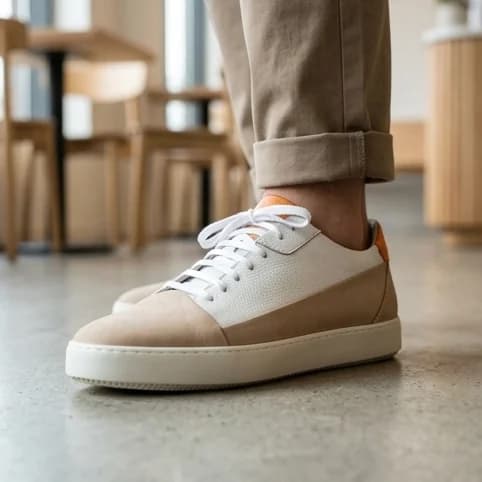
AI photography tools let you upload that single supplier image and generate completely unique lifestyle shots. A water bottle sitting on a hiking trail at golden hour. Sunglasses resting on a marble countertop next to a cappuccino. These images belong to your store alone.
2. Skip the Sample Ordering Bottleneck
Traditional product photography requires having the product in hand. For dropshippers, that means ordering samples from overseas suppliers. Shipping takes 2 to 4 weeks. You might order samples from three suppliers before finding decent quality. The cost adds up fast when you're testing dozens of products to find winners.
AI photography eliminates this step entirely. You work with the images your supplier already provides. No waiting. No shipping costs. No dead inventory sitting in your apartment. You can test new products with professional photos the same day you add them to your store.
This speed advantage matters most during product testing. When you're running ads to find winning products, every day of delay is money burned. The faster you can launch a product with great visuals, the faster you know whether it converts.
3. Build a Brand That Doesn't Look Like a Dropshipping Store
The biggest killer of dropshipping conversions in 2026 isn't price. It's trust. Shoppers have been burned by low-quality dropshipping stores and they're cautious. The moment your product pages look like a generic supplier catalog, visitors assume the worst.
Consistent, high-quality lifestyle photography signals legitimacy. When every product on your store has the same visual style, the same type of lifestyle scenes, and the same professional feel, shoppers see a real brand. Not a fly-by-night operation. Check out what top-converting Shopify stores do differently and you'll notice consistent visual branding on every single one.
AI tools make this easy because you control the aesthetic. Pick warm, earthy tones for a wellness brand. Go sleek and minimal for tech accessories. Your product photos create the brand identity that separates you from the competition.
4. Crush It on Paid Ads With Scroll-Stopping Visuals
Your Facebook and Instagram ads live or die on the creative. The same supplier photo that every competitor runs in their ads? That gets scrolled past in milliseconds. Your audience has seen it before, literally, on other stores.
Lifestyle product photos generated by AI give you fresh ad creative on demand. Need a new angle for a retargeting campaign? Generate it. Testing three different visual styles for a single product? Done in five minutes. This solves the creative fatigue problem that kills ad performance over time.
The data backs this up. Lifestyle images consistently outperform plain product shots in ad click-through rates. Lifestyle photos vs white background shots on Shopify show conversion rate differences of 20% or more in favor of lifestyle imagery.
5. Cut Your Photography Budget by 90%
Here are the real numbers. A traditional product photography session costs $25 to $75 per image when you account for samples, shipping, studio time, and editing. For a 50-product dropshipping store, that means spending $1,250 to $3,750 just on hero images.
AI product photography costs a fraction of that. Most tools charge between $0.50 and $5 per image. The same 50-product store gets professional lifestyle photos for under $250. If you want a deeper breakdown of what product photography actually costs in 2026, we've covered the full math.
For dropshippers operating on thin margins, this cost difference is the gap between profitable and underwater. You can invest those savings into ads, better suppliers, or simply keep more margin on every sale.
6. Test Products Faster Than Your Competitors
Speed wins in dropshipping. The merchants who find trending products first and launch with strong creative capture the market before saturation hits. Every hour you spend waiting on product photos is an hour your competitors use to run ads.
With AI photography, you can go from finding a trending product niche to having a fully-photographed product page in under 10 minutes. Upload the supplier image. Pick a lifestyle scene. Download the result. Add it to your store. Start running ads.
This speed compounds over time. Testing 20 products a week with professional photos versus testing 5 because you're waiting on samples gives you 4x the data on what converts. More tests, faster results, quicker path to winning products.
7. Win on Google Shopping With Unique Images
Google Shopping is becoming a serious channel for dropshippers in 2026. The catch: Google penalizes duplicate content, including duplicate product images. When your product photo is identical to 30 other listings, Google has no incentive to show yours.
Unique AI-generated product photos give you a real edge in Google Shopping results. Your listing stands out visually in the product grid, and Google's image uniqueness signals work in your favor instead of against you.
Pair unique images with solid product descriptions and you're competing on a level that most dropshippers never reach. They're still using supplier photos and wondering why their Google Shopping ads underperform. You can explore the best AI photography tools for Shopify to find the right fit for your workflow.
8. Reduce Returns With Accurate, Professional Photos
Returns destroy dropshipping margins. The average ecommerce return rate hovers around 20-30%, and a huge chunk of those returns come from products that "didn't look like the photo." Low-quality supplier images set vague expectations. Shoppers receive the product and feel disappointed, even when the product itself is fine.
Professional lifestyle photos set clearer expectations. They show the product in context, giving shoppers a realistic sense of size, color, and use case. Stores that invest in better product photography consistently see lower return rates. We covered the full connection between product photo mistakes and lost conversions in a separate deep dive.
For dropshippers especially, every avoided return is pure profit saved. You don't have the luxury of easy restocking when your supplier is overseas.
How to Start Using AI Product Photography Today
Getting started takes less time than ordering a single sample from AliExpress. Here's the playbook:
- Grab your supplier images. Download the best product photo from your supplier. A clean, well-lit image works best as a starting point.
- Choose your brand aesthetic. Decide on the vibe you want. Warm and organic? Sleek and modern? Outdoorsy? Pick one and stay consistent across your catalog.
- Generate lifestyle photos. Upload to an AI photography tool like Prodofoto. Select a lifestyle scene that matches your brand. Download the result.
- Replace supplier photos on your store. Swap out the generic images for your new lifestyle shots. Keep one clean product-only image for reference.
- Use the same photos in your ads. Your lifestyle images now do double duty: product page hero images and ad creative. No extra work needed.
The entire process for a single product takes about 60 seconds. You can overhaul a 50-product store in an afternoon.
Supplier Photos vs AI Product Photography: Side by Side
| Factor | Supplier Photos | AI Product Photography |
|---|---|---|
| Uniqueness | Shared by dozens of stores | 100% unique to your brand |
| Cost per image | Free (but low quality) | $0.50 to $5 |
| Time to produce | Instant (already provided) | Under 60 seconds |
| Style options | 1 to 5 generic angles | Unlimited lifestyle scenes |
| Google Shopping | Penalized for duplicates | Rewarded for uniqueness |
| Ad performance | Low CTR, creative fatigue | Higher CTR, fresh creative |
| Brand building | Looks like every other store | Consistent brand aesthetic |
Frequently Asked Questions
Can I use AI product photography for dropshipping without ordering samples?+
Is it legal to use AI-generated product photos for my Shopify dropshipping store?+
How much does AI product photography cost compared to traditional photoshoots for dropshippers?+
Will customers know my product photos are AI-generated?+
What types of products work best with AI photography for dropshipping?+
How do I make my AI product photos look different from other dropshippers selling the same item?+
Can AI product photography help my dropshipping store rank better on Google?+
How fast can I generate AI product photos for my entire dropshipping catalog?+
Stop Blending In. Start Standing Out.
Turn your supplier photos into professional lifestyle images in seconds. No samples. No photographer. Just better product photos that convert.