AI Product Photography
Why AI-Generated Product Photos Are Now Shopify-Safe (2026 Policy Update)
AI-generated product photos are fully allowed on Shopify, Google Shopping, and every major ecommerce platform in 2026. No disclosure required. No policy violations. Shopify itself builds AI image tools into its platform and promotes AI photography apps in its App Store. Here is exactly what the policies say, what changed, and why merchants can stop worrying.
By LinkedIn: Brian Chen • 8 min read• Published March 3, 2026


Quick Answer
AI-generated product photos are fully compliant on Shopify, Google Shopping, Amazon, and Meta advertising in 2026. Shopify has no restrictions on AI-created product imagery and actively promotes AI photography tools through Shopify Magic and its App Store. The EU AI Act (phasing in through 2026) classifies product photography as minimal risk. The only platforms requiring AI disclosure (Etsy, Amazon) apply those rules to AI art sold as a product, not to marketing photos of physical goods.
Shopify's Actual Policy on AI-Generated Product Photos
Shopify does not restrict AI-generated product images. There is no clause in Shopify's Acceptable Use Policy, Terms of Service, or Merchant Guidelines that prohibits, limits, or requires disclosure of AI-generated product photography.
In fact, Shopify actively encourages it. Shopify Magic, the platform's built-in AI suite, includes image editing and background generation tools. The Shopify App Store features dozens of AI photography apps with "Built for Shopify" badges. In February 2026, Shopify updated its partner program AI data policies to formalize how AI apps handle merchant data (Karan Goyal, Feb 2026). The update focused on data privacy, not on restricting AI-generated content.
The short version: Shopify wants you to use AI for product photography. They built tools for it. They approve apps that do it. They wrote partner guidelines to make the ecosystem work better.
Platform-by-Platform Policy Breakdown
Every major ecommerce platform and advertising channel allows AI-generated product photos. The differences are in the details.
| Platform | AI Product Photos Allowed? | Disclosure Required? | Notes |
|---|---|---|---|
| Shopify | Yes | No | Built-in AI tools via Shopify Magic. AI apps promoted in App Store. |
| Google Shopping | Yes | No | Images must accurately represent the product. Same quality rules apply regardless of creation method. |
| Amazon | Yes | No* | *Disclosure required only if selling AI-generated art as a product. Product marketing photos are unrestricted. |
| Meta (Facebook/Instagram Ads) | Yes | No | Meta offers its own AI ad creative tools. Product photos treated identically. |
| Etsy | Yes | For AI art only | Disclosure needed if the product itself is AI-created. Product photos of handmade goods are unrestricted. |
| Pinterest Shopping | Yes | No | Product pins follow standard image quality guidelines. |
Sources: Shopify Acceptable Use Policy (2026), Google Merchant Center Product Data Specification, Amazon Seller Central AI Content Policy, Etsy Creativity Standards, Meta Advertising Policies.
The Distinction That Matters: AI Art vs AI Product Photos
Most of the anxiety around AI images in ecommerce comes from confusing two very different things. The confusion is understandable. The policies are not.

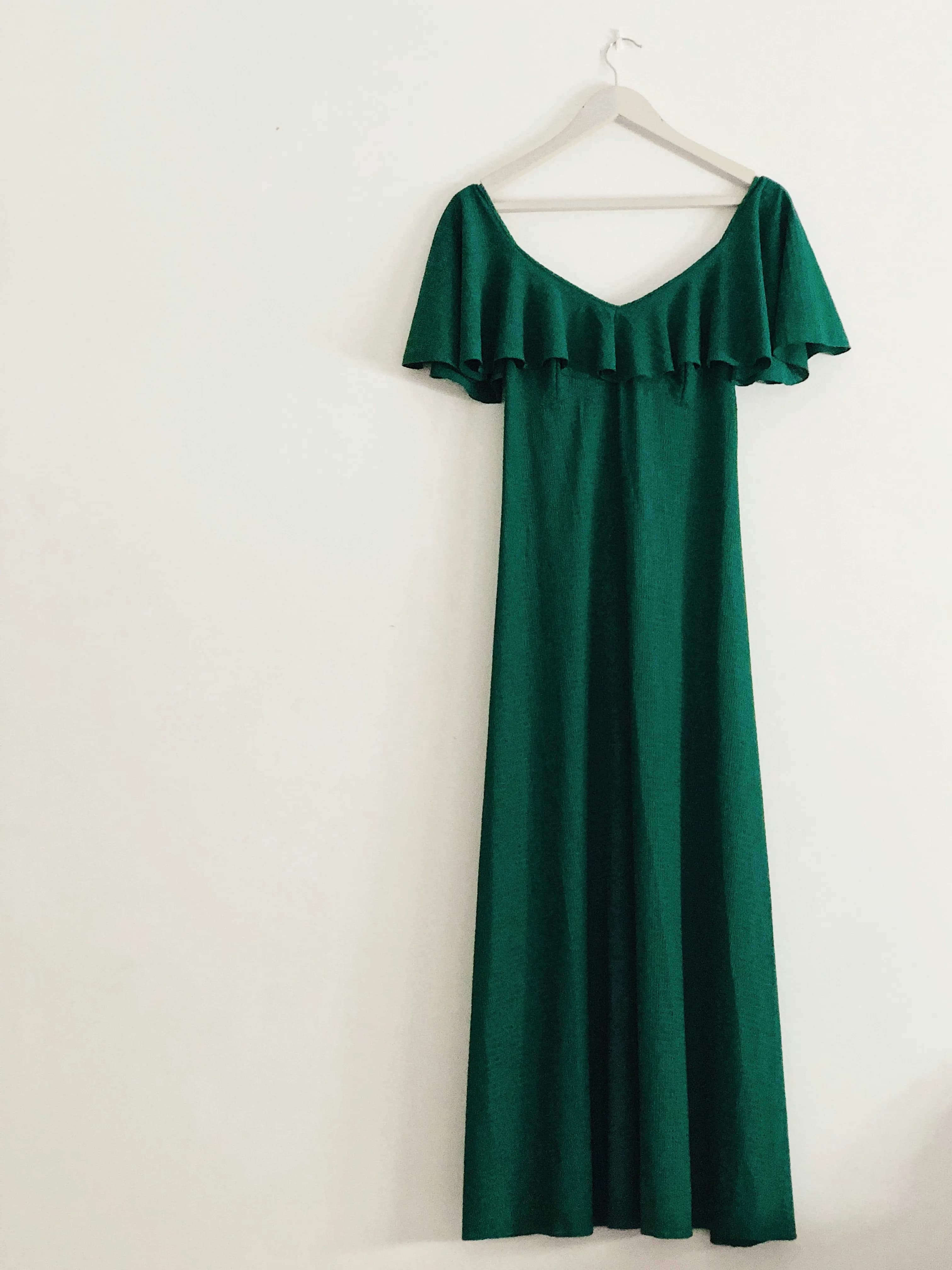
This is an AI-generated lifestyle photo of a real product. It is a marketing asset, not an AI product.
AI Art (the product IS AI-generated)
- • AI-generated prints, posters, designs sold as products
- • The customer is buying the AI output itself
- • Etsy requires disclosure since 2023
- • Amazon requires disclosure for AI books/art
- • Copyright is uncertain (US Copyright Office rulings ongoing)
AI Product Photos (the photo method is AI)
- • AI-generated photos of your real, physical product
- • The customer is buying the physical product, not the photo
- • No platform requires disclosure
- • Shopify actively encourages this
- • No copyright concern (you own the product, AI generates the scene)
When Etsy says "disclose AI-generated content," they mean products where the AI output is what the customer receives (EcomBalance, Jan 2026). A seller printing AI art on t-shirts must disclose. A seller using AI to photograph their handmade ceramic mug does not. The photo is a marketing tool. The mug is the product. No platform polices how you create your marketing photos.
The EU AI Act: What It Actually Requires
The EU AI Act is the most talked-about AI regulation in ecommerce circles. Most of what merchants worry about does not apply to product photography.
The Act classifies AI applications into risk tiers: unacceptable risk (banned), high risk (heavy regulation), limited risk (transparency requirements), and minimal risk (no specific obligations). AI-generated product photography falls into the minimal risk category. You are using AI to create a marketing image of a product you sell. That is not manipulating elections, generating deepfakes of real people, or making autonomous decisions about credit scores.
| EU AI Act Risk Tier | Examples | Requirements |
|---|---|---|
| Unacceptable | Social scoring, real-time biometric surveillance | Banned |
| High Risk | Credit scoring AI, hiring algorithms, medical devices | Registration, auditing, human oversight |
| Limited Risk | Chatbots, deepfakes, emotion recognition | Transparency/disclosure obligations |
| Minimal Risk | Spam filters, AI image editing, product photo generation | No specific obligations |
Starting August 2026, the EU does require disclosure for certain AI-generated content that could be mistaken for real (deepfakes, synthetic media designed to deceive). Product photography does not fall into that bucket (MindStudio, Feb 2026). No one is being deceived. Your product exists. The AI generates a scene around it. The merchant is transparent about what they sell. The photo is a representation, same as a traditionally shot photo with props and lighting.
What Changed in 2025-2026 (And Why It Matters)
Two years ago, merchants had legitimate reasons to be cautious. AI image generation was new, platform policies were vague, and the legal landscape was genuinely unclear. That is no longer the case.

AI-generated lifestyle photos are now standard practice for Shopify product listings.
Shopify built AI into the platform (2023-2026)
Shopify Magic launched with AI text generation, then expanded to image editing and background removal. In 2025-2026, Shopify's App Store grew its AI photography category to dozens of apps. Shopify gave multiple AI photography apps the "Built for Shopify" badge, its highest endorsement.
Google launched its own AI photography tools (2025)
Google's Product Studio (part of Google Merchant Center) lets merchants generate AI product photography directly. Google also launched Pomelli, an AI photoshoot tool for merchants. When the platform that runs Google Shopping builds AI photo tools for merchants, the policy question is answered.
Amazon added AI image generation to Seller Central (2024)
Amazon built AI image generation directly into the product listing workflow. Sellers can generate lifestyle backgrounds for their products without leaving Seller Central. This is the same Amazon that requires disclosure for AI art sold as products. They clearly see product photography as a different category.
The EU AI Act clarified risk classifications (2025-2026)
Early drafts of the EU AI Act caused concern because they were vague about "AI-generated content." The final text and subsequent guidance clarified that product marketing imagery falls under minimal risk. The transparency obligations focus on deepfakes, chatbots, and AI systems that interact with humans.
The shift was not gradual. It was a complete reversal. In 2023, platforms were cautious about AI content. By 2026, they are building AI photo tools themselves and encouraging merchants to use them. The question is no longer "is this allowed?" It is "why are you still paying $500 per product shoot?"
How to Start Using AI Product Photos on Shopify Today
Now that the policy question is settled, the practical question is which tool to use. Prodofoto generates 4 AI lifestyle product photos from a single clean product image in about 60 seconds. It plugs directly into your Shopify store. For a full comparison of tools, see our best AI photography tools for Shopify roundup.

- 1Install Prodofoto on your Shopify store. It pulls your existing product catalog automatically.
- 2Pick a product and choose a mode: lifestyle, product-only, or on-model.
- 3Get 4 photos in about 60 seconds. No prompting, no design skills needed.
- 4Publish directly to your Shopify listing. No downloading or re-uploading.
No disclosure needed. No policy risk. Just better product photos at a fraction of the cost of traditional photography. For a detailed walkthrough, see our step-by-step Prodofoto tutorial. And for a full breakdown of AI vs traditional photography costs and quality, read our AI vs traditional photography comparison.
Stop Worrying About AI Photo Policies. Start Selling.
Prodofoto generates 4 AI lifestyle photos from a single product image in 60 seconds. Fully Shopify-compliant. No disclosure needed. Just the images your store needs to convert browsers into buyers.
Frequently Asked Questions
Does Shopify allow AI-generated product photos on product listings?
Yes. Shopify has no policy restricting AI-generated product images. Shopify actively promotes AI photography apps in its App Store and built AI image editing into Shopify Magic. You can use AI-generated photos on any product listing without disclosure or penalty.
Do I need to disclose that my product photos are AI-generated on Shopify?
No. Shopify does not require AI disclosure for product photography. The EU AI Act (effective August 2026) may require disclosure for some AI content, but product photography for your own listings is classified as minimal risk and is unlikely to require labeling.
Will Google Shopping reject AI-generated product images?
No. Google Merchant Center accepts AI-generated product photos as long as they accurately represent the product being sold. The same product image quality guidelines apply whether the photo is shot traditionally or generated by AI.
Is there a difference between AI product photos and AI art in terms of platform policies?
Yes, a big one. AI art sold as a product (prints, designs) faces disclosure rules on Etsy and Amazon. AI-generated photos of your own physical product are marketing assets, not the product itself. No major platform restricts marketing photos based on how they were created.
Can AI-generated product photos cause copyright issues?
For product photography, the risk is extremely low. You own the product. The AI generates a scene around it. No copyrighted work is being reproduced. This is different from AI art that might replicate a specific artist's style. Product photos are functional, not creative works.
What happens if the EU AI Act requires AI image disclosure?
The EU AI Act phases in through 2025-2026 and focuses on high-risk AI applications. Product photography is minimal risk. Even if disclosure becomes required, it would likely be a metadata tag, not a visible label on your listing. Shopify will likely handle compliance at the platform level.
Should I switch to AI product photography now or wait for clearer regulations?
Switch now. Every major ecommerce platform supports AI photography tools. Shopify actively promotes them. The regulatory direction is toward transparency requirements, not bans. Waiting means paying $500+ per product shoot while your competitors generate photos in 60 seconds.
References
- Shopify Acceptable Use Policy (2026)
- Karan Goyal - Shopify AI Data Rules: What Partners Must Know (Feb 2026)
- EcomBalance - AI Content Policies Every Amazon and Etsy Seller Should Know (Jan 2026)
- Etsy Creativity Standards - AI Disclosure Requirements
- Google Merchant Center - Product Data Specification (Image Requirements)
- MindStudio - AI Image Generation + Shopify (Feb 2026)
- EU AI Act - Full Text and Risk Classification Framework