AI Tools
AI Product Photography vs Traditional Photography: The Full Comparison
AI product photography costs 90-99% less than traditional shoots, delivers in seconds instead of weeks, and scales to thousands of products without rebooking a studio. But traditional photography still wins for specific use cases. Here is a side-by-side breakdown of cost, speed, quality, and scalability so you can decide what fits your Shopify store.
By LinkedIn: Brian Chen • 11 min read • Published February 12, 2026

Quick Answer
AI product photography generates lifestyle images from a single product photo in under 60 seconds for roughly $0.25-$15 per image. Traditional photography costs $25-$350 per image, takes 1-4 weeks for delivery, and requires studio rental, photographers, and often models. For most Shopify merchants, AI handles 70-80% of product photography needs at a fraction of the cost. Traditional photography is still the better choice for brand campaigns, complex multi-product compositions, and regulatory-sensitive industries.
Cost: AI vs Traditional Product Photography
The cost gap between AI and traditional product photography is the single biggest factor for most merchants. Traditional photography involves stacking costs: photographer fees, studio rental, styling, models, retouching, and shipping your products to the shoot location. AI compresses all of that into a subscription or per-image fee.
| Cost Factor | Traditional Photography | AI Photography |
|---|---|---|
| Per image | $25-$350 | $0.25-$15 |
| Studio rental | $500-$1,000 per day | $0 |
| Photographer | $150-$500 per hour | $0 |
| Models | $400-$1,600 per day | Included (on-model AI) |
| Retouching | $10-$60 per image | $0 (built in) |
| Revisions | $50-$150 per revision | Unlimited regenerations |
| Shipping products | $15-$30 per item | $0 |
| 50-product catalog | $7,500-$30,000 | $50-$200 |
For a store with 50 products needing 6 images each, traditional photography runs $7,500-$30,000. AI covers the same catalog for under $200. That is a 99% cost reduction on the lifestyle photo portion of your budget. For the full cost breakdown with line items, see our guide to product photography costs in 2026.
A hybrid approach (traditional for hero shots, AI for lifestyle variations) can cut visual content costs by 40-60% compared to using traditional photography exclusively.
Speed: Minutes vs Weeks
Traditional product photography is slow. The timeline starts before the camera comes out: booking the photographer, shipping products to the studio, coordinating models and stylists. Then the shoot itself. Then editing and retouching.
| Stage | Traditional | AI |
|---|---|---|
| Booking and scheduling | 3-14 days | Instant |
| Shipping products to studio | 2-5 days | Not needed |
| Shoot day | 4-8 hours | 60 seconds |
| Post-production | 5-10 business days | Instant |
| Revisions | 3-7 business days | Seconds (regenerate) |
| Total timeline | 2-6 weeks | Under 5 minutes |
Standard turnaround for traditional product photography is 6-8 business days from when products and payment are received. Rush service cuts that to 3-4 days but adds 20-40% to the bill.
Speed matters most during product launches. If you are adding 20 new SKUs for a seasonal collection and your photographer needs 3 weeks, those products sit on your store with no lifestyle photos. That is 3 weeks of lower conversion rates. With AI, the photos are ready before you finish writing the product descriptions.
Quality: How AI Stacks Up Against Professional Shoots
Quality is where the conversation gets interesting. Traditional photography produces objectively excellent images when done right. A skilled photographer with proper lighting, equipment, and post-production delivers results that no AI can replicate in every scenario. But "every scenario" is not the same as "your scenario."
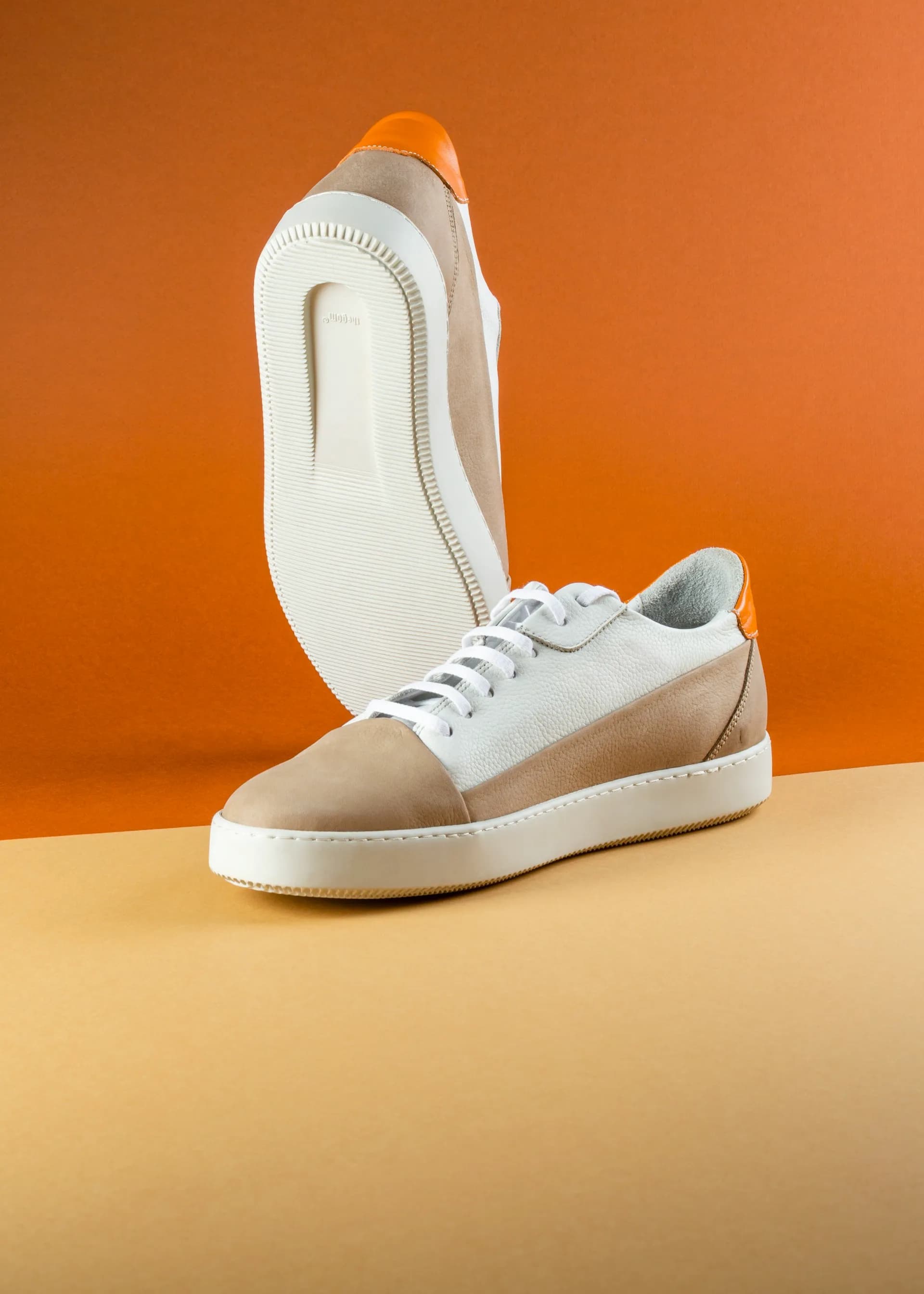
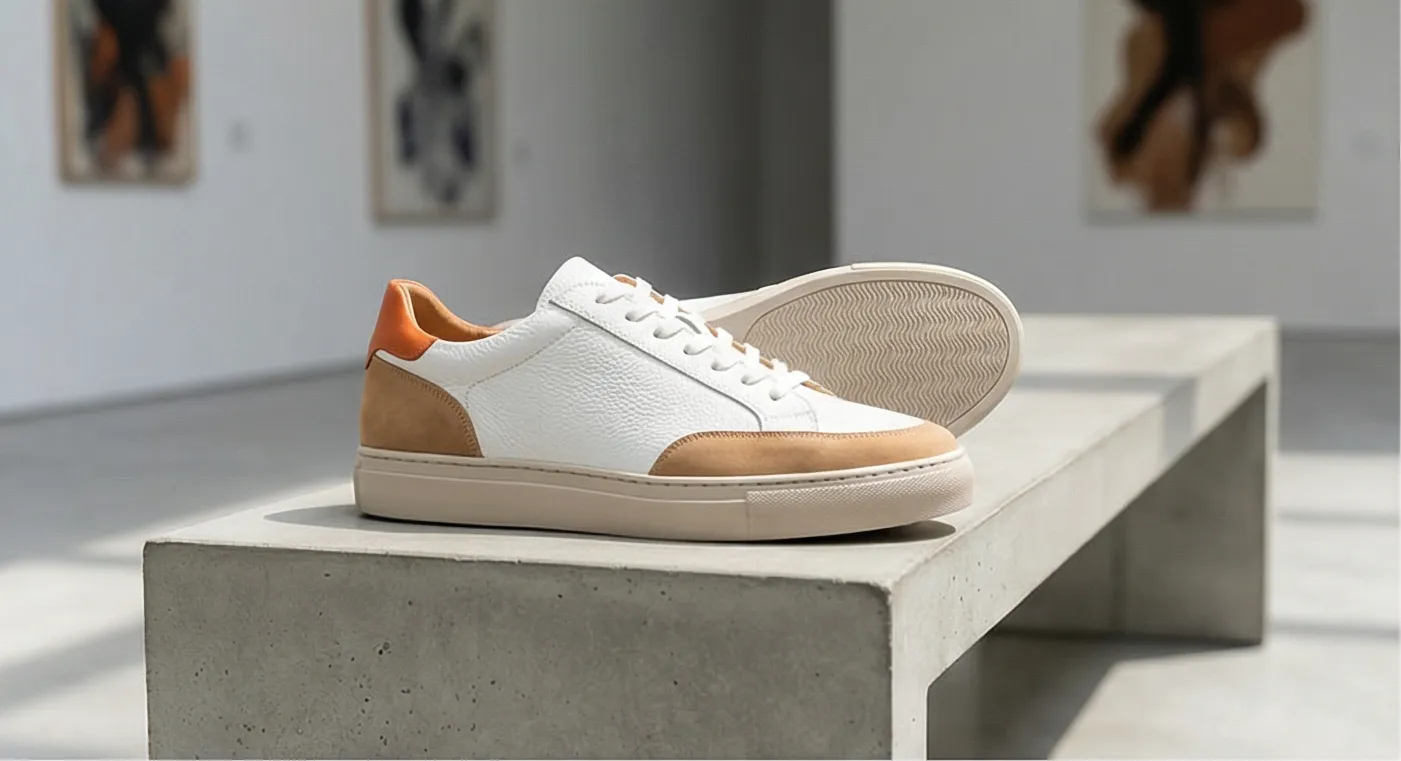
For lifestyle product photography (placing a product in a realistic scene), modern AI generates images that 90% of online shoppers consider high-quality enough to influence their purchase decisions. The quality bar for ecommerce is not gallery-level art. It is "does this photo make me want to buy this product?"
Where traditional photography consistently outperforms AI:
- Fine texture detail. Fabric weave, leather grain, jewelry facets. A macro lens in a controlled studio captures detail that AI can approximate but not perfectly replicate.
- Complex multi-product compositions. Arranging 6 products in a styled flat lay with intentional spatial relationships is still a human skill.
- Specific creative direction. When you need a particular mood, angle, or narrative that requires back-and-forth with a creative professional.
Where AI matches or beats traditional:
- Lifestyle scene generation. Placing products in realistic rooms, outdoor settings, or themed environments. No location scouting, no prop shopping.
- Consistency. Every AI image follows the same quality baseline. Traditional shoots vary by photographer skill, studio conditions, and even time of day.
- Variation volume. Need 4 different lifestyle scenes for one product? AI does that in a minute. A traditional shoot would need 4 different setups.
For a deeper look at what AI lifestyle photos are and how they compare to standard product shots, read what AI lifestyle product photos are and why lifestyle photos convert better than white backgrounds.
Scalability: 10 Products vs 1,000
Traditional photography does not scale linearly. A 10-product shoot is manageable. A 200-product shoot is a multi-day, multi-thousand-dollar production. At 1,000 products, you are looking at multiple shoot days, rotating photographers, and a project management overhead that rivals the photography cost itself.
| Catalog Size | Traditional (6 images each) | AI (4 lifestyle + 2 existing) | Time Saved |
|---|---|---|---|
| 10 products | $1,500-$6,000 | ~$10 | 2-4 weeks |
| 50 products | $7,500-$30,000 | ~$50 | 3-6 weeks |
| 200 products | $30,000-$120,000 | ~$200 | 1-3 months |
| 1,000 products | $150,000-$600,000 | ~$1,000 | 3-6 months |
AI cost stays nearly flat as you scale. The per-image price does not change whether you are generating 10 images or 10,000. With traditional photography, costs compound: more shoot days, more studio hours, more retouching.
The scalability gap also affects how quickly you can refresh your catalog. Seasonal updates, new colorways, packaging changes. Each one is a full reshoot with traditional photography. With AI, you regenerate in minutes. Brands launching 50+ new SKUs per season face $25,000-$100,000 in traditional photography costs for each refresh cycle, according to Squareshot.
When Traditional Photography Is Still the Right Call
AI is not the answer to every photography need. There are specific scenarios where hiring a photographer is worth the investment.
- Brand campaign hero images. Your homepage banner, your ad creative, your billboard. These are high-stakes images seen by millions. A photographer gives you precise creative control over every detail: the angle, the lighting, the model's expression, the exact background color.
- Products where texture sells. Fine jewelry, luxury watches, artisanal leather goods. If the close-up texture of your product is the primary conversion driver, a macro lens and controlled studio lighting captures detail that AI approximates but does not perfectly reproduce.
- Compliance-sensitive categories. Some industries (food, healthcare, cosmetics) have regulations about product imagery that may require actual photographs rather than AI-generated representations.
- Editorial and storytelling content. Magazine-style editorials, lookbooks with a specific narrative, content that is meant to communicate a mood rather than show a product. Creative direction from a human photographer is still unmatched here.
- Your first product photo. You need at least one clean, well-lit original product image for AI to work with. That base photo can come from a DIY setup or a professional photographer. Either way, you need a real starting point.
When AI Product Photography Is the Better Choice
For most Shopify merchants, AI covers the majority of their product photography needs. Here is when it makes the most sense.
- Lifestyle scene variations. You want your sneakers on a sidewalk, in a gym, and at a coffee shop. Three different shoots with traditional photography. One click with AI. For why lifestyle photos convert better, read our lifestyle vs white background comparison.
- Large catalog coverage. If you have 50, 200, or 1,000+ products and need lifestyle photos for all of them, AI is the only affordable option. Photographing 200 products traditionally costs $30,000-$120,000.
- A/B testing product images. Testing which scene converts best requires multiple image variants. Traditional photography makes this prohibitively expensive. AI lets you generate 4 different scenes and test them against each other for the cost of one traditional photo.
- Seasonal refreshes. Holiday themes, summer vibes, back-to-school looks. Updating your entire catalog's lifestyle photos for a seasonal campaign takes hours with AI and weeks with a photographer.
- Fast-moving inventory. Dropshippers, print-on-demand sellers, and stores that add products weekly cannot wait 2-4 weeks for photography on every new SKU. AI keeps pace with your product launches.
- Budget constraints. Most small Shopify merchants cannot justify $7,500-$30,000 for product photography. AI makes professional-quality lifestyle imagery accessible at any budget. 76% of small businesses using AI photography tools report cost savings of over 80%.
The Industry Is Moving Fast
AI product photography is not a niche experiment. The AI product photography market is projected to reach $8.9 billion by 2034, growing at 15.7% annually. And 83% of creative professionals already use generative AI in their workflows.
At the same time, the stakes for product imagery keep rising. 22% of online returns happen because products look different than their photos. High-quality images drive a 33% increase in conversion rates. And 90% of shoppers say product photos are the most important factor in their purchase decision. The question is not whether you need great product photos. It is whether you can produce them fast enough and affordably enough to keep up.
For a comparison of the best AI photography tools available right now, see our guide to the best AI product photography tools for Shopify. And for a comprehensive overview of how AI product photography works, read the complete guide to AI product photography for Shopify.
How To Get the Best of Both With Prodofoto
Prodofoto is a Shopify app that generates AI lifestyle product photos directly from your existing catalog. No uploading files to a separate tool. No writing prompts. No waiting.
- Pick any product from your Shopify store. Prodofoto pulls your product images automatically.
- Choose your photo mode: lifestyle scenes, product-only with clean backgrounds, or on-model shots.
- Click generate. 4 photos in about 60 seconds.
- Edit and regenerate until you are happy. No revision fees. No waiting days for retouches.
- Publish your favorites directly back to your Shopify listing. No downloading and re-uploading.
Keep your clean product photos from a traditional shoot as your base images. Use Prodofoto to generate all the lifestyle variations, seasonal scenes, and A/B test images you need. The best product page is one that starts with a strong white-background shot and fills out the gallery with lifestyle context. Prodofoto makes the second part instant.
One Product Photo, Multiple AI Scenes
This is what AI does that traditional photography cannot match on speed or cost. One original product photo, 3 different lifestyle scenes, all generated in under a minute.
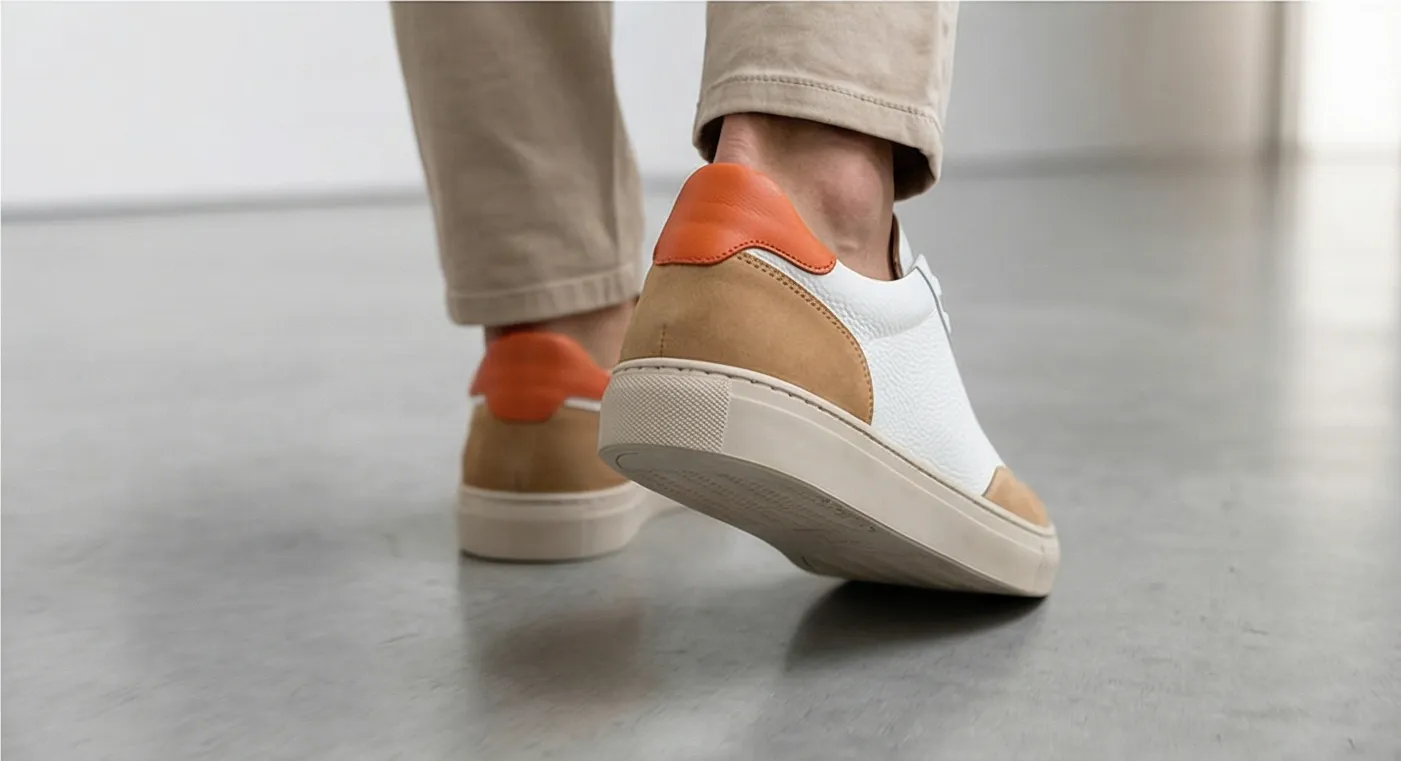
Three different lifestyle contexts from one product photo. A traditional shoot would require 3 separate set-ups with different locations, props, and styling. That is an entire shoot day for one product. AI does it in 60 seconds.
Turn One Product Photo Into a Full Lifestyle Gallery
Prodofoto generates AI lifestyle product photos for your Shopify store. 4 photos per product. 60 seconds each. Publish directly to your listing.
Frequently Asked Questions
Is AI product photography as good as traditional photography?
For lifestyle scenes and product-in-context shots, AI quality is comparable to professional photography. AI excels at generating varied lifestyle backgrounds quickly. Traditional photography still has the edge for complex compositions with multiple products, on-model shots requiring specific poses, and luxury brand editorial work.
How much cheaper is AI product photography than hiring a photographer?
AI product photography costs roughly $0.25-$15 per image depending on the tool. Traditional photography runs $25-$350 per image before retouching, studio, and model fees. For a 100-product catalog, AI saves 90-99% compared to a traditional shoot.
Can AI replace my product photographer entirely?
Not entirely. You still need one clean original photo per product as the base image. But AI eliminates the need for repeated lifestyle shoots, location rentals, model bookings, and styled setups. For most Shopify merchants, that covers 70-80% of their photography needs.
How long does AI product photography take?
Most AI tools generate images in under 60 seconds. Prodofoto produces 4 lifestyle photos per product in about 60 seconds. Compare that to 6-8 business days for traditional photography turnaround, not including booking and shipping time.
Do AI product photos look fake?
Modern AI-generated lifestyle photos are realistic enough that most shoppers cannot distinguish them from traditional photography. The quality depends on having a good original product image as input. A clean, well-lit product photo produces the best AI results.
When should I use a traditional photographer instead of AI?
Use a traditional photographer for brand campaign hero images, editorial content requiring specific creative direction, products where texture and material detail are the primary selling point (like fine jewelry), and any content that needs to meet specific compliance or regulatory requirements.
Can I use both AI and traditional photography for my Shopify store?
Yes, and many merchants do. A hybrid approach works well: use traditional photography for hero images and your initial clean product shots, then use AI to generate lifestyle variations, seasonal scenes, and A/B test images at scale. This combination cuts visual content costs by 40-60%.
References
- Photoroom: 50 AI Product Photography Statistics and Trends for 2026
- GrabOn: 50+ eCommerce Product Photography Statistics (2025)
- SellerPic: AI vs Traditional Product Photography Cost Comparison
- Squareshot: The Essential Guide to Budgeting for Ecommerce Photography
- Stultz Photo: E-Commerce Product Photography FAQ
- BlendNow: The True Cost of a Professional Photoshoot