Category Guide
AI Product Photography for Food & Beverage Shopify Stores
Food and beverage products live or die by appetite appeal. A coffee bag on a white background tells the shopper nothing about flavor, ritual, or experience. A coffee bag next to a steaming mug on a wooden counter tells a story. This guide covers the photography strategies that actually move product for food and beverage Shopify stores, and how AI makes them accessible to brands of every size.
By LinkedIn: Brian Chen • 7 min read• Published August 24, 2026

Quick Answer
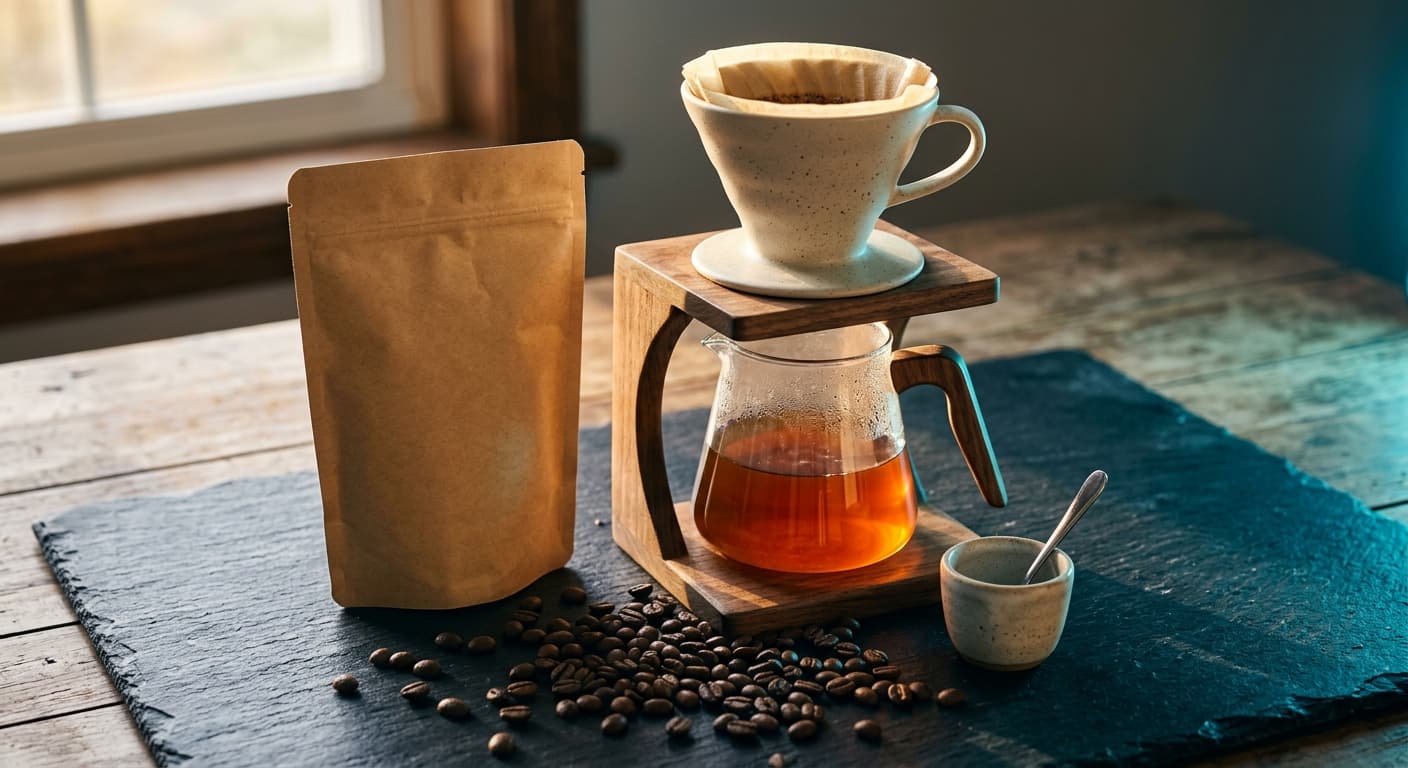
Food and beverage product photos need warm, contextual settings that trigger appetite appeal. Lifestyle shots in kitchen or dining scenes consistently outperform white-background images for food products. 90% of shoppers say image quality drives their purchase decision (GrabOn), and food is one of the most visually driven categories in ecommerce. AI photography tools now generate these lifestyle scenes from a single product image in 60 seconds.
Why Food Photography Plays by Different Rules
A sneaker on a white background still looks like something you want to buy. A bag of coffee on a white background looks like a stock photo from a wholesale catalog. The difference is appetite appeal, and food has more of it to gain (or lose) from photography than almost any other product category.
Food purchases are emotional. Shoppers are not evaluating specifications. They are imagining taste, texture, and the moment they will use the product. A honey jar on a breakfast table with toast and morning light triggers a completely different response than the same jar floating in white space.
The data backs this up. 83% of shoppers say product images directly influence their purchase decision (GrabOn). For food and beverage, that number is effectively higher because there is less product text to evaluate. You cannot smell or taste through a screen. The photo is doing almost all the selling.
This is also why food and beverage is one of the fastest-growing Shopify verticals. The online grocery market is projected to reach $2.15 trillion by 2030, growing at 25.3% annually. But the competition for attention is fierce. Photography is how you stand out.
What Actually Works for Food and Beverage Photos
The best food product photography on Shopify follows a few consistent patterns. These are not opinions. They are what high-performing food brands do across the platform.
| Technique | Why It Works | Example |
|---|---|---|
| Warm, natural surfaces | Wood and marble signal "kitchen" and "real food" at a glance | Coffee bag on butcher block countertop |
| Complementary ingredients | Suggests flavor profile without the shopper reading a single word | Hot sauce bottle next to fresh peppers and lime |
| Serving suggestion | Shows the product in its consumed form, triggering appetite | Protein powder next to a blended smoothie |
| Morning or golden-hour lighting | Warm light reads as "fresh" and "inviting." Cool light reads as "clinical" | Tea tin with soft window light and steam |
| Human element | A hand holding the product or pouring it makes the scene relatable | Hand reaching for a jar of artisan jam at a brunch table |
Notice what all of these have in common: context. The product is never alone. It is always part of a scene that the shopper can project themselves into. That is the entire job of food photography. Lifestyle photos outperform white-background shots in every category, but the gap is largest for food and beverage.
The 5 Product Photos Every Food Listing Needs
Food and beverage listings need 5-7 images per product. Here are the specific types that matter for this category.
1. Clean Product Cutout
Your main listing image. White or neutral background, well-lit, label readable. This is what appears in search results and collection pages. Google Shopping requires it. Make sure the brand name and key details (flavor, size) are legible at thumbnail scale.
2. Kitchen or Dining Lifestyle
The product on a counter, table, or shelf with complementary props. This is your conversion driver. Shoppers see the product in a space that looks like their own kitchen, and the purchase starts to feel inevitable. Warm lighting and natural surfaces beat studio setups for food.
3. Ingredients or Nutrition Close-Up
Show the back label, nutrition facts, or ingredient list. Health-conscious shoppers want this before they buy, especially for supplements, snacks, and specialty foods. 22% of online returns happen because the product looked different than expected (Rocket Returns). A clear label photo sets accurate expectations.
4. Serving Suggestion or Recipe Context
Show the product in its consumed form. A bottle of olive oil next to a dressed salad. A bag of pasta beside a finished dish. This triggers appetite appeal at the most visceral level. The shopper is no longer buying a product. They are buying the meal.
5. Packaging and Unboxing
Show exactly what arrives at the door. This matters more for food than most categories because shoppers worry about freshness, breakage, and portion size. A photo of the sealed package, the box it ships in, or the full bundle for subscription products reduces "what will I actually get?" anxiety.
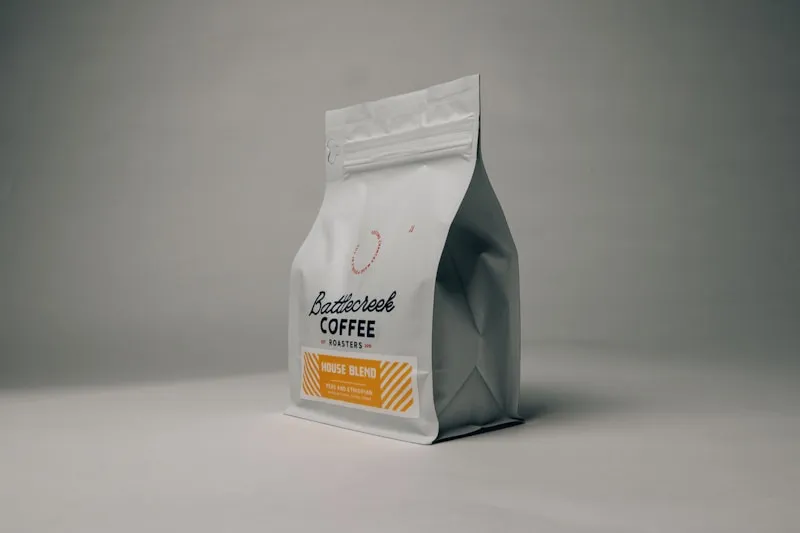
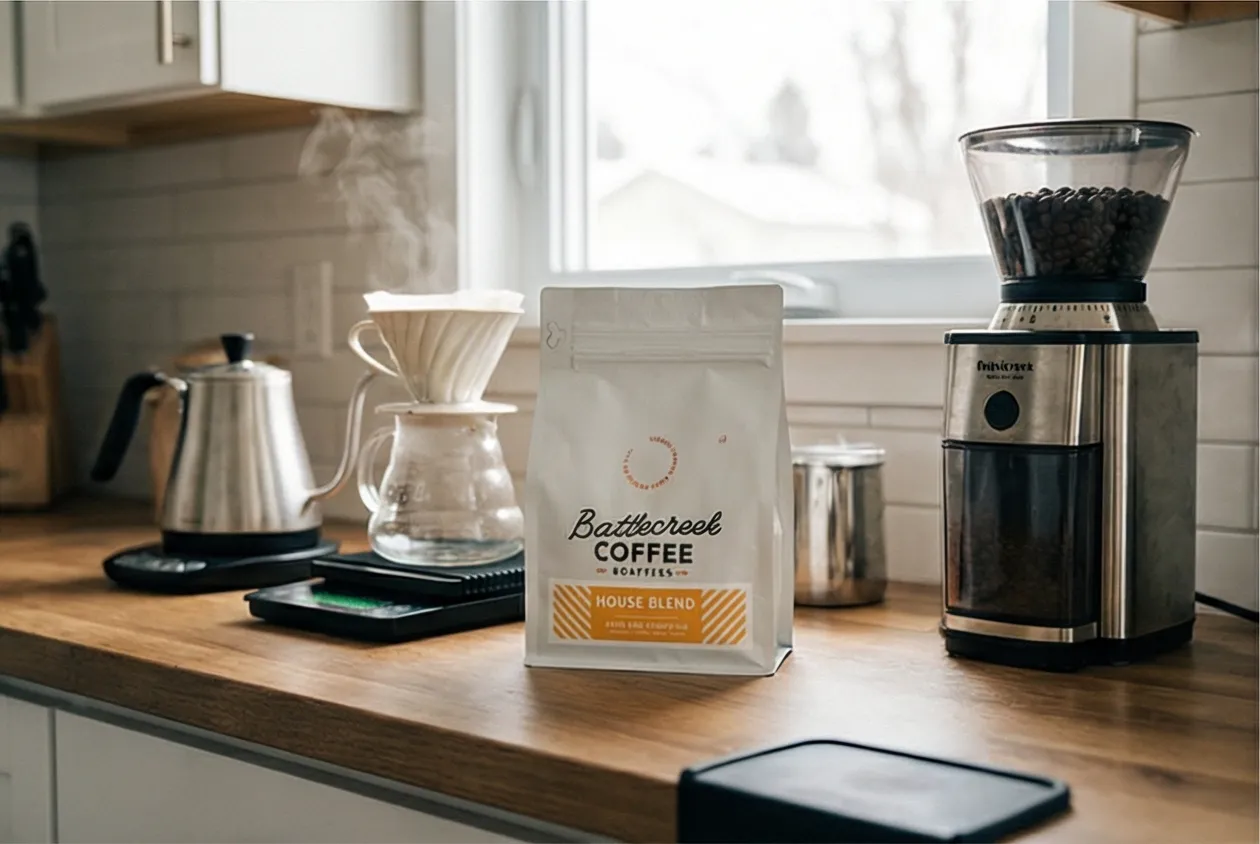
Same coffee product. The lifestyle version tells the shopper how it fits into their morning routine.
4 Photography Mistakes Food Brands Keep Making
These show up in food and beverage Shopify stores constantly. Each one costs conversions.
1. Only One Image Per Product
56% of shoppers explore product images before reading any text (Baymard). If your listing has a single front-of-package shot, you are asking shoppers to buy based on the least amount of information possible. For food, where taste cannot be previewed, images carry even more weight than usual.
2. Cool, Clinical Lighting
Fluorescent or flash-heavy lighting makes food look institutional. It signals cafeteria, not kitchen. Warm, diffused, natural-looking light is non-negotiable for food photography. Even a simple shift from cool white to warm tones changes how appetizing the product appears.
3. No Context for Scale or Use
A jar of sauce photographed alone gives no indication of size. Is it 5 ounces or 32? 28% of ecommerce sites fail to include a scale reference (Baymard). For food, showing the product next to a plate, a hand, or a meal solves scale and use-case in one shot.
4. Ignoring the Back Label
Ingredients and nutrition facts are purchase decision factors for food. Shoppers with allergies, dietary restrictions, or macro goals will leave your listing if they cannot verify the label. A missing detail shot is one of the top product photo mistakes across all categories, but for food it is a deal-breaker.
Generate Food Lifestyle Photos in 60 Seconds
Professional food photography typically costs $500-$2,000 per session. A food stylist adds another $500-$1,500 per day. For a brand with 50 products, the math makes traditional shoots impractical. That is the cost problem most Shopify food brands face.
AI photography tools close this gap. Prodofoto takes the clean product image you already have and generates lifestyle variants with contextually appropriate settings.
- Pick a product from your Shopify catalog. Prodofoto pulls your existing images automatically.
- Choose lifestyle mode. The AI generates a warm, kitchen-appropriate scene with complementary props.
- Get 4 photos in about 60 seconds.
- Edit and refine until you are satisfied, then publish directly to your Shopify listing.
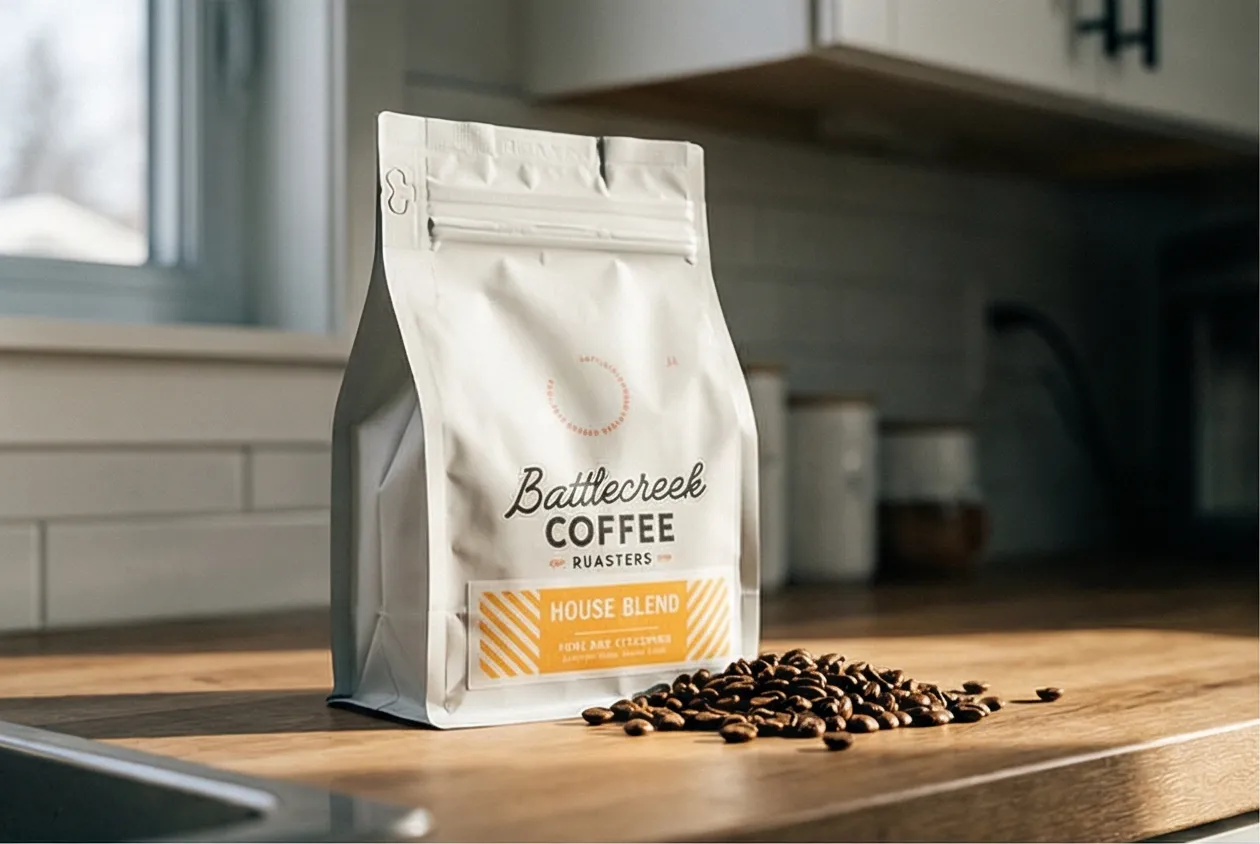
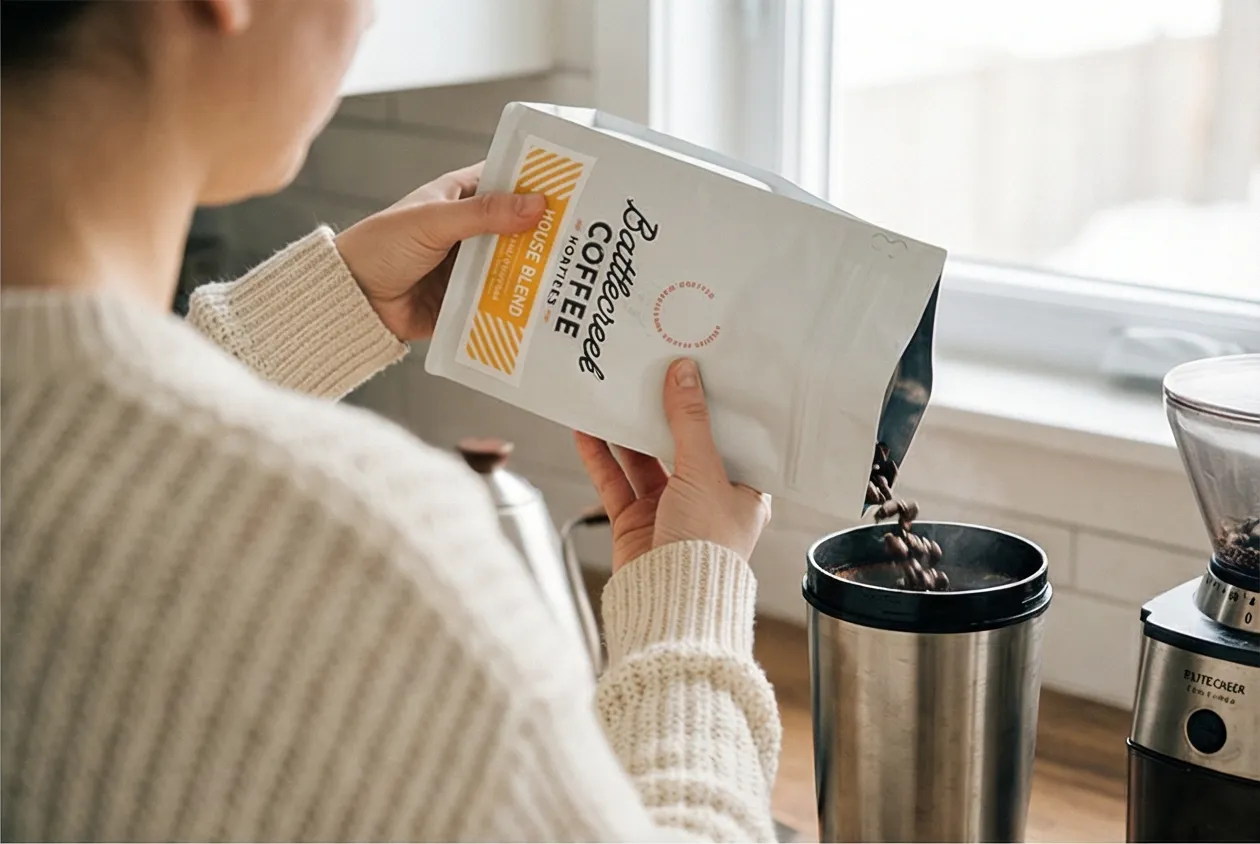
Both generated from the same single product image. One upload, multiple lifestyle scenes.
For a full walkthrough, see the step-by-step AI product photo tutorial.
Turn One Product Photo Into a Full Food Gallery
Prodofoto generates 4 AI lifestyle photos from your existing Shopify product images. Warm settings, appetizing context, and ready-to-publish quality. 60 seconds per product.
Frequently Asked Questions
What kind of product photos work best for food and beverage on Shopify?
Lifestyle shots showing the product in a kitchen, dining, or cafe setting consistently outperform plain white-background images. Pair a clean cutout as your first gallery image with 2-3 lifestyle variants that show appetite appeal and real-world context.
Do I need professional food photography for my Shopify store?
Not necessarily. AI photography tools can generate lifestyle scenes from a single clean product image in under 60 seconds. For most food and beverage brands, this produces results that match or beat what a mid-range photographer delivers, at a fraction of the cost.
How many product images should a food or beverage listing have on Shopify?
5-7 images per product. Include a white-background cutout, 2-3 lifestyle shots, a nutrition label or ingredients close-up, and a packaging or unboxing image. More visual information means fewer abandoned carts.
What backgrounds work best for food product photography on Shopify?
Warm, natural surfaces like wood tables, marble countertops, and kitchen settings. Cool or sterile backgrounds make food look unappetizing. The scene should suggest where the product gets used, not where it gets stored.
Can AI product photography handle food styling and appetite appeal?
Yes. Modern AI tools generate contextually appropriate scenes with cutting boards, utensils, complementary ingredients, and warm lighting. The output is not a crude composite. It looks like a styled photoshoot because the AI was trained on thousands of them.
How do food product photos affect Shopify conversion rates?
90% of online shoppers say image quality is the most important factor in their purchase decision (GrabOn). For food specifically, appetite appeal drives impulse buys. Listings with lifestyle food photography see measurably higher add-to-cart rates than those with only clinical white-background shots.
What is the biggest photography mistake food brands make on Shopify?
Using only one product image. 56% of shoppers explore product images before reading any text (Baymard). If you give them a single front-of-package shot, they leave. Show the product in context, show the label, show a serving suggestion.
References
- GrabOn: 50+ eCommerce Product Photography Statistics (2025)
- Baymard Institute: Product Page UX Best Practices 2025
- Grand View Research: Online Grocery Market Report (2024-2030)
- Shopify: Food Photography Tips for Ecommerce
- Photoroom: AI Product Photography Statistics (2025)
- Rocket Returns: Ecommerce Return Rate Statistics (2025)
- BlendNow: Ecommerce Product Photography Cost Guide