Reduce Returns
How Better Product Photos Reduce Shopify Return Rates
Better product photos can cut your Shopify return rate by 15-30%. Returns cost ecommerce retailers 20-30% of total revenue, and 22% of those returns happen because the product looked different than the customer expected. The fix is not complicated. It is better photography.
By LinkedIn: Brian Chen • 9 min read• Published August 31, 2026

Quick Answer
Product photos reduce returns on Shopify by setting accurate expectations. The biggest return driver — "product looked different" (22% of all returns per Narvar) — is a photography problem, not a product problem. Stores that add multiple angles, scale reference shots, lifestyle context, color-accurate images, and zoomable detail photos see 15-30% fewer returns. This guide covers exactly which photo types prevent returns, why they work, and how to implement them today.
Why Product Photos Are the #1 Cause of Preventable Returns
Returns are an ecommerce tax. They cost retailers 20-30% of total online revenue when you factor in shipping, restocking, and lost inventory value. But here is the thing most Shopify merchants miss: the majority of returns are not caused by defective products. They are caused by mismatched expectations.
Narvar's research found that 22% of ecommerce returns happen because the "product looked different than expected." Not broken. Not wrong size (that is a separate category). Just… different. The color was off. It was smaller than they imagined. The texture looked different on screen. They could not tell how it would look in their space.
Every one of those returns is a photography failure. The product was fine. The photos just did not do their job. And that job is not to make products look pretty — it is to set accurate, complete expectations so the customer knows exactly what they are getting before they click "Buy."
Baymard Institute's UX research confirms this pattern. They found that 56% of shoppers immediately interact with product images when they land on a product page. If those images are incomplete, misleading, or low quality, the shopper either bounces (costing you the sale) or buys with wrong expectations (costing you the return).
5 Photo Types That Prevent Returns
Not all product photos are created equal when it comes to reducing returns. Here are the five types that directly address the "looked different than expected" problem, ranked by impact.

Lifestyle context shots help shoppers visualize real-world size and use — directly reducing "not what I expected" returns.
1. Multiple Angle Views
A single front-facing product shot leaves shoppers guessing about the back, sides, and bottom of your product. That guessing creates the expectation gap that drives returns. Show the product from at least 4 angles: front, back, side, and a three-quarter view. For complex products, add top-down and bottom views. Every angle you skip is a detail the customer will discover only after unboxing — and that surprise is rarely pleasant.
Baymard's research shows that shoppers specifically look for alternate angles to evaluate product quality and completeness. When those angles are missing, shoppers either leave or buy with incomplete information. Both outcomes cost you money.
2. Scale Reference Shots
"It was smaller than I expected" is one of the most common return reasons in ecommerce. On a white background, a coffee mug and a vase can look exactly the same size. A single photo showing the product next to a hand, a coin, a standard object, or being held/worn by a person eliminates this problem entirely.
This is the single easiest return-prevention photo to add. It takes 30 seconds to shoot and can save you hundreds of dollars in return shipping per month. If you add nothing else from this list, add a scale reference shot.
3. Lifestyle Context Photos
White-background product photos tell shoppers what something looks like. Lifestyle photos tell them what it feels like to own it — and more importantly, how it fits into their actual environment. A throw pillow on a white background gives you color and pattern. The same pillow on a couch in a living room gives you size, scale, color in context, and style compatibility.
Lifestyle images reduce returns because they close the "imagination gap." When shoppers can see the product in a real setting, they make better purchase decisions. Better decisions mean fewer surprises at delivery. For more on this, see our lifestyle vs white background comparison.
4. Zoom-Enabled Detail Shots
Texture, material quality, stitching, finish, print quality. These details are invisible in a standard product thumbnail but they are exactly what shoppers evaluate when deciding between your product and a competitor's. Baymard found that 42% of shoppers attempt to evaluate product quality through close-up images.
When you do not provide zoomable detail shots, shoppers fill in the blanks with assumptions — usually wrong ones. They might assume the material is cheaper than it is, or they might assume it is nicer than it is. Either way, the mismatch creates a return. Upload images at 2048x2048 minimum so Shopify's zoom feature works properly on both desktop hover and mobile pinch-to-zoom.
5. Color-Accurate Photography
"The color was different in person" might be the single most frustrating return reason because it is entirely preventable. Bad lighting, uncalibrated monitors during editing, and over-saturated lifestyle backgrounds all distort how colors appear on screen. We will cover this in detail in the next section because it deserves its own deep dive.
Color Accuracy: The Silent Return Killer
Color misrepresentation is responsible for a disproportionate share of "product looked different" returns, especially in apparel, home decor, and cosmetics. The problem happens at multiple stages.

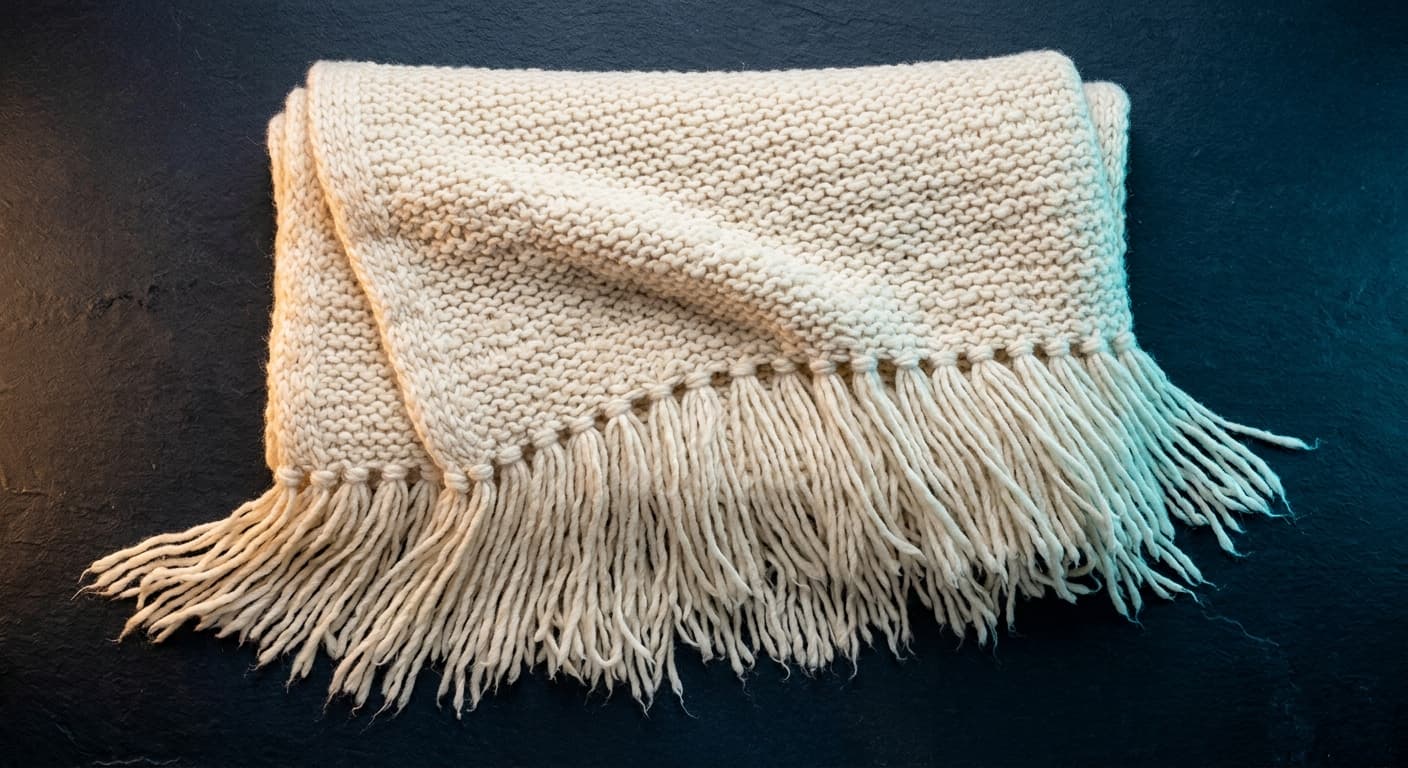
Color-accurate product photography in natural lighting reduces the gap between online appearance and in-person reality.
During the shoot: Mixed lighting temperatures (warm tungsten + cool daylight) create color casts that are hard to correct in post. Use consistent, neutral lighting. A simple white balance card costs $10 and eliminates this problem.
During editing: Over-saturation makes colors pop on screen but creates unrealistic expectations. The teal that looks vibrant in your Photoshop edit shows up as a muted blue-green in the customer's hand. Edit on a calibrated monitor and resist the temptation to crank saturation.
On the customer's screen: You cannot control every display, but you can minimize variance by shooting in neutral, well-lit conditions and keeping edits subtle. Including a swatch or color comparison in one of your gallery images (showing the product color next to a Pantone-like reference) gives color-sensitive shoppers extra confidence.
For Shopify merchants selling products where color is a key purchase factor — think paint, fabric, cosmetics, or fashion — investing in color-accurate photography is one of the highest ROI moves you can make for return reduction.
The Real Financial Impact of Photo-Driven Returns
Let us put real numbers on this. Say your Shopify store does $50,000/month in revenue with a 15% return rate (average for ecommerce). That is $7,500/month in returned product. Factor in return shipping ($5-8 per package), restocking labor, and the 20-30% of returned items that cannot be resold at full price, and returns are costing you $10,000-12,000/month in real losses.
Now, if 22% of those returns are because the product "looked different" (Narvar data), that is roughly $2,200-2,640/month in preventable returns. If better photography reduces that specific return reason by even 50%, you are saving $1,100-1,320/month. That is $13,200-15,840/year in recovered revenue — from a one-time investment in better product photos.
The math gets even better at scale. A $500K/year store with the same return profile saves over $130,000/year by eliminating photo-driven returns. And that does not count the secondary benefits: fewer support tickets, better reviews (no more "looks nothing like the picture" one-stars), and higher repeat purchase rates from satisfied customers.
High-quality photos do not just reduce returns. They increase conversion rates too. Shoppers who interact with product images convert at 94% higher rates than those who do not (GrabOn). Better photos pay for themselves on both sides of the equation: more sales in, fewer returns out.
Return-Reducing Photo Checklist for Shopify
Here is every photo optimization that directly reduces return rates. Implement them in order of impact.
| # | Action | Return Reason It Addresses | Priority |
|---|---|---|---|
| 1 | Add scale reference shot to every listing | "Smaller/bigger than expected" | Critical |
| 2 | Shoot 4+ angles per product | "Looked different from the back/side" | Critical |
| 3 | Fix color accuracy (white balance, calibrated editing) | "Color was different in person" | Critical |
| 4 | Add 2-3 lifestyle context photos | "Doesn't fit my space/style" | High |
| 5 | Upload at 2048x2048 for zoom | "Material/texture was different" | High |
| 6 | Include close-up detail shot | "Quality was lower than expected" | High |
| 7 | Show all color/variant options | "Ordered wrong color/style" | Medium |
| 8 | Add packaging/unboxing shot | "Packaging was different/cheap" | Medium |
| 9 | Use consistent lighting across catalog | General trust and quality perception | Medium |
| 10 | Optimize gallery order (most informative first) | All — ensures shoppers see key info | Medium |
For a broader conversion optimization checklist that goes beyond returns, check our 15-item Shopify product photography conversion checklist. And for guidance on optimal gallery ordering, see our gallery sequence guide.
Generate Return-Reducing Photos in 60 Seconds With Prodofoto
The biggest barrier to better product photos is not knowing what to do — it is the time and cost of doing it. Hiring a photographer for lifestyle shots, renting a studio, scheduling shoots for every new product and seasonal refresh. It adds up fast.
Prodofoto eliminates that barrier. Upload a single clean product image and get 4 AI-generated lifestyle photos in about 60 seconds. These lifestyle variants give your listings the context, scale cues, and environmental setting that close the imagination gap — directly addressing the #1 preventable return reason.


The workflow is simple: install Prodofoto on your Shopify store, pick a product, choose lifestyle mode, and get 4 photos in about 60 seconds. Publish directly back to your listing without downloading or re-uploading. That gives you the lifestyle context shots and gallery variety that directly reduce returns — without the cost or delay of traditional photography. For a full walkthrough, see our complete guide to AI product photography.
Stop Losing Money to Preventable Returns
Better product photos pay for themselves in reduced returns alone — before you count the conversion rate lift. Prodofoto generates lifestyle photos from a single product image in 60 seconds. No photographer, no studio, no waiting.
Frequently Asked Questions
What percentage of ecommerce returns are caused by bad product photos?
According to Narvar research, 22% of online returns happen because the product looked different than expected. Poor photo quality, inaccurate colors, and missing angles are the primary drivers of this gap between expectation and reality.
How much can better product photos reduce Shopify return rates?
Merchants who invest in high-quality, multi-angle product photography typically see return rate reductions of 15-30%. The exact improvement depends on your product category, but visual-heavy categories like apparel and home decor see the largest gains.
What types of product photos help reduce returns the most?
Scale reference shots (showing the product next to a familiar object), multiple angle views, close-up detail shots of materials and textures, and accurate color representation. These four photo types address the most common reasons shoppers cite for returns.
Do lifestyle product photos help reduce returns?
Yes. Lifestyle photos show the product in real-world context, helping shoppers understand size, proportion, and how the product fits into their life. This reduces the imagination gap that leads to 'not what I expected' returns.
How many product photos should I have per Shopify listing to minimize returns?
6-8 images per listing is the sweet spot. Include a clean cutout, 2-3 lifestyle shots, a close-up detail image, a scale reference, and at least one alternate angle. Listings with fewer than 4 images have significantly higher return rates.
Can AI-generated product photos help reduce return rates?
Yes, when used correctly. AI tools like Prodofoto can generate lifestyle context shots and multiple angles from a single product image, giving shoppers a more complete picture of the product. The key is ensuring AI-generated images accurately represent the product's color, size, and details.
References
- Narvar - State of Returns: 22% returned because product looked different
- Baymard Institute - Product Image UX Research
- GrabOn - Online Shopping Statistics (94% higher conversion with image interaction)
- Shopify - Product Photography Tips (2024)
- Invesp - Ecommerce Return Rate Statistics (20-30% revenue impact)