B2B & Wholesale
Shopify B2B Product Photography: What Wholesale Buyers Expect in 2026
When a wholesale buyer lands on your Shopify B2B portal, they aren't shopping for themselves. They're evaluating whether your product fits their store, their customers, and their brand. That changes everything about what your product photos need to do.
By LinkedIn: Brian Chen • 9 min read• Published July 17, 2026

Quick Answer
B2B product photography on Shopify needs 5 to 7 images per SKU: a clean white-background hero, 2 additional angle shots, a detail close-up, a packaging shot, and a spec callout. Wholesale buyers make commercial decisions, so they need technical confidence more than lifestyle emotion. AI tools like Prodofoto generate these images in under 60 seconds for under $1 per product.
B2B Photography Is a Different Problem
In direct-to-consumer ecommerce, product photos sell the feeling. A lifestyle shot of a bag on a hiking trail answers the question "could this be me?" Shoppers respond to aspiration, context, and emotion.
Wholesale buyers don't shop that way. A retail buyer evaluating your product for their store wants to know: does the quality hold up? What does the packaging look like when it arrives? What are the exact dimensions? How does it compare to what's already on their shelves?
They're making a commercial decision on behalf of their customers. That means your images need to answer practical questions, not emotional ones. Clean product-only shots, material close-ups, and packaging images do more work in a B2B context than any lifestyle scene.
Shopify expanded native B2B features to all merchants in 2026, not just Shopify Plus. That means more sellers running B2B portals, more buyers evaluating catalogs on Shopify, and a higher standard for professional presentation across the board.
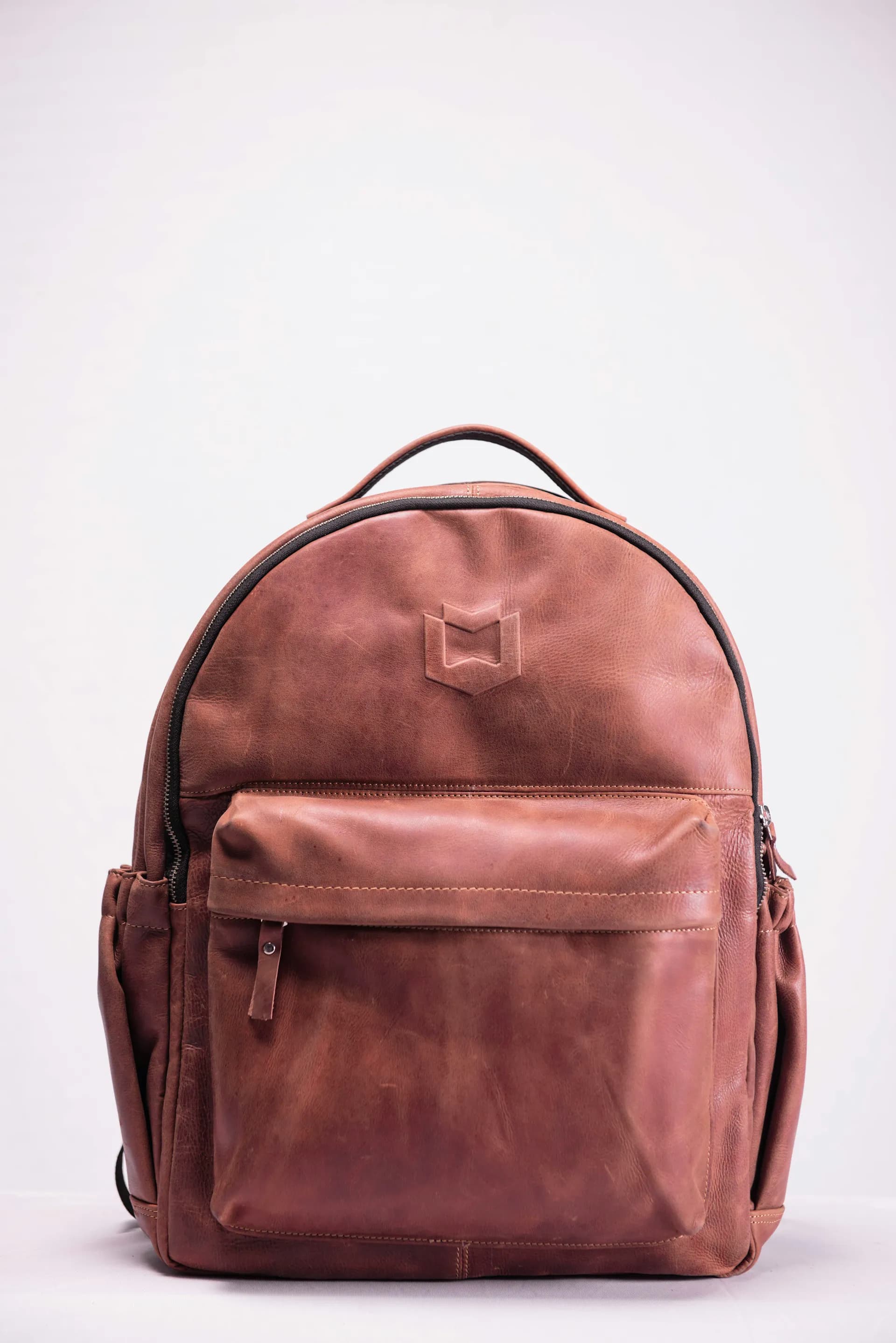
Clean product-only shots anchor B2B catalog listings
What Wholesale Buyers Actually Look For
B2B buyers scan product pages faster than DTC shoppers. They know what they need. Your images have about 3 seconds to establish credibility before a buyer decides to keep scrolling or click away. Here is what builds that credibility:
Product accuracy
Buyers need to see exactly what they're ordering. No heavy retouching or creative color grading. The color in your photo should match what ships. Returns in B2B relationships are expensive and damage trust fast.
Material and construction quality
Close-up shots of stitching, hardware, texture, and material tell a wholesale buyer whether your product can withstand retail handling and customer use. A fuzzy macro photo signals low-quality manufacturing.
Scale and dimensions
Buyers need to visualize shelf space, display units, and packaging dimensions. A scale reference image -- your product next to a recognizable object or with a ruler shown -- answers these questions immediately.
Packaging as shipped
Wholesale buyers are re-selling your product. They need to know what their customers will receive. Packaging photos show unboxing quality, shelf-readiness, and retail presentation -- all critical for buyer confidence.
Spec callouts
Annotated images showing dimensions, material composition, key features, or certifications reduce back-and-forth with your sales team. B2B buyers often review catalogs offline or share them with their team -- a spec image communicates everything without a conversation.
The 6 Images Every B2B Shopify Listing Needs
For DTC, 6-8 images with a mix of lifestyle and product shots is the standard. For B2B, the formula shifts toward technical completeness. Here is the framework that covers what wholesale buyers need:
| Image | Purpose | Mode in Prodofoto |
|---|---|---|
| Hero product shot | Clean white background, full product, front-facing. Primary catalog image. | Product-Only |
| Side and back angles | Shows full product silhouette from 2-3 angles. Answers dimensions and construction questions. | Product-Only |
| Material close-up | Texture, stitching, hardware, or surface detail. Signals build quality and material honesty. | Product-Only |
| Scale reference | Product next to a known object or with dimensions shown. Buyers need this for shelf and display planning. | Infographic |
| Packaging shot | Retail-ready packaging as the customer receives it. Confirms unboxing quality and shelf presentation. | Product-Only |
| Spec infographic | Annotated callout lines pointing to key features, dimensions, or materials. Replaces lengthy product descriptions. | Infographic |
The goal is to answer every technical question a buyer might have before they need to ask. Every question a buyer has to email your sales team about is a conversion point you lost.

AI-generated product photography from a single source image using Prodofoto
How AI Makes B2B Catalog Photography Affordable at Scale
The math on traditional B2B catalog photography is brutal. A commercial photographer charges $50-150 per hour. Shooting a clean product photo with multiple angles takes 15-20 minutes per SKU after setup, retouching, and file prep. That puts the true cost at $25-100 per product image -- and that's before studio rental.
For a 50-SKU catalog at 6 images each, you're looking at 300 images. At $50 per image, that's $15,000 before a single wholesale order. Most B2B merchants on Shopify can't absorb that cost, so they compromise: fewer images, lower quality, or inconsistent presentation across the catalog.
AI product photography changes the economics completely:
| Catalog size | Traditional cost (6 images/SKU) | AI cost with Prodofoto |
|---|---|---|
| 10 SKUs | $3,000-$9,000 | ~$10 |
| 50 SKUs | $15,000-$45,000 | ~$50 |
| 200 SKUs | $60,000-$180,000 | ~$200 |
| 500 SKUs | $150,000-$450,000 | ~$500 |
For a B2B merchant with 200 SKUs, that difference is the difference between a professionally photographed catalog and supplier images downloaded from a manufacturer. Wholesale buyers notice the difference immediately.
For more on the cost comparison, see our full product photography cost breakdown and our guide to bulk generating photos for your entire Shopify catalog.
Consistency across 200+ SKUs
Traditional photography creates a consistency problem at scale. Different lighting sessions, different camera settings, different photographers -- and your catalog looks like a patchwork of images instead of a professional product line.
AI generates images with consistent lighting, background, framing, and color treatment across every SKU. Shoot 10 products or 500 products and the visual language stays the same. That consistency signals professional operations to wholesale buyers.
B2B-specific shoot modes
Not all AI product photography tools handle B2B needs well. Most are optimized for lifestyle images -- which is important for DTC but secondary for wholesale catalogs.
Prodofoto includes modes specifically useful for B2B:
- •Product-Only mode: Clean white or neutral background product shots. The standard for wholesale catalogs, line sheets, and buyer portals.
- •Infographic mode: Annotated callout images with lines pointing to features, materials, or dimensions. Replaces lengthy product descriptions for technical products.
- •Copycat mode: Matches the visual style of competitor or benchmark catalog images. Useful when entering a retailer category where a specific look is expected.
- •Lifestyle mode: Still useful for B2B buyers who want to visualize the product in use context for their own store merchandising decisions.

Multiple product contexts from a single photo, generated in seconds
Building Your B2B Catalog with Prodofoto
If you're running a B2B or wholesale Shopify store, here is how to build a professional catalog image set quickly:
- Start with clean source images. You need one white-background or neutral product photo per SKU. Your existing supplier images often work as a starting point.
- Use Product-Only mode for your primary catalog images. Prodofoto pulls from your Shopify catalog, so no uploading required. Select a product, choose Product-Only mode, and get clean catalog images in under 60 seconds.
- Add Infographic shots for technical products. Any product with features, specifications, or materials that need explanation benefits from Infographic mode. Choose callout style, review the generated text, and publish.
- Batch your catalog by category. Shoot all bags, then all accessories, then all apparel. Consistent shoot sessions keep the visual language tight. For large catalogs, see our guide to bulk generating catalog photos.
- Publish directly to your Shopify product listings. No download-upload loop. Prodofoto publishes back to your listing in one click.
For the broader context on how AI photography compares to traditional options, read our AI vs traditional product photography comparison and complete guide to AI product photography for Shopify.
Frequently Asked Questions
What makes B2B product photography different from DTC photography?
B2B buyers are purchasing for resale, not personal use. They make commercial decisions and need images that show spec accuracy, material quality, packaging, and scale. DTC buyers respond to lifestyle and emotion. B2B buyers need technical confidence. Clean product-only shots, detail close-ups, and packaging images matter more in a wholesale context.
How many product images does a B2B Shopify listing need?
5 to 7 images per product covers the B2B standard: a clean white-background hero, 2 additional angle shots, a detail close-up, a scale reference, a packaging shot, and optionally a spec infographic. B2B buyers are evaluating fit for their store inventory, so completeness matters more than lifestyle storytelling.
Can AI generate professional B2B catalog images?
Yes. AI tools like Prodofoto generate clean product-only shots, detail views, and infographic images with callout lines in under 2 minutes. For B2B merchants with large SKU counts, AI is the most practical way to build consistent catalog images at scale without the $25-350 per-SKU cost of traditional photography.
How much does traditional B2B catalog photography cost?
Traditional product photography for B2B catalogs costs $25-350 per SKU when you include photographer, studio rental, and retouching. A 100-SKU catalog runs $2,500-$35,000. AI generates equivalent catalog images for under $1 per product, making professional photography accessible for merchants at any SKU count.
What image types do wholesale buyers specifically look for?
Wholesale buyers prioritize: a clean white-background product shot (for their own use in catalogs), material/texture detail close-ups, scale references with known objects, packaging images (buyers need to know how the product ships), and spec callout images showing dimensions or key features. Lifestyle images matter less in B2B contexts.
How does Prodofoto help B2B Shopify merchants?
Prodofoto connects directly to your Shopify catalog. Select any product, choose Product-Only mode for clean catalog shots or Infographic mode for spec callout images, and get up to 9 photos per shoot in under 60 seconds. Published directly back to your Shopify listing. No manual export, no download-upload workflow.