Home Decor & Furniture
AI Product Photography for Home Decor & Furniture Shopify Stores
Home decor converts at 1.2–1.8% on Shopify — the lowest major category. The core problem is a confidence gap: shoppers can't see how a vase fits their shelf, whether the rug color works in their living room, or how large a side table actually is. A white-background shot doesn't close that gap. Room-scene lifestyle photography does. AI generates the full set for under $1 per product.
By LinkedIn: Brian Chen • 8 min read • Published June 26, 2026

Quick Answer
Home decor product pages need 8–12 images: room scenes, texture close-ups, scale references, and a clean white-background shot for Google Shopping. Professional shoots run $85–250 per SKU. AI generates the complete set in 60 seconds for under $1. Products with full lifestyle galleries convert 40% higher than white-background-only listings (Rewarx, 2026). Improved imagery also reduces return rates by 23% by giving shoppers accurate visual expectations before they buy.
Why Home Decor Photography Is Harder Than Most Categories
Clothing shoppers check fit. Electronics shoppers check specs. Home decor shoppers check something harder: whether an object will feel right in a space they already live in. A lamp that looks elegant in isolation might be wrong for a mid-century living room. A rug that reads as neutral might clash with warm oak floors.
White-background photography answers none of those questions. It shows the object. It doesn't show whether the object belongs anywhere. That is why home decor is the lowest-converting major category on Shopify, landing at 1.2–1.8% versus a platform average of 2.5–3% (Shopify Benchmarks, 2026).
Professional room-scene photography fixes this — but it is expensive. Building a credible styled set costs $500–$2,000 in props and location alone, before you add photographer fees. Shoot a 30-SKU catalog with room scenes and you are looking at $5,000–$15,000. Most small Shopify home decor stores skip the room scenes entirely and pay for it in conversions.
| Challenge | Traditional Photography | AI Photography |
|---|---|---|
| Room scene context | Build or rent a styled set ($500–$2,000) | AI generates a realistic room around the product |
| Scale reference | Staging with props, reshoot for each angle | AI adds contextual scale elements automatically |
| Seasonal refresh | Restyle and reshoot the full catalog | Regenerate any product in a new seasonal scene |
| Cost per SKU | $85–$250 including photographer, props, editing | Under $1 for up to 9 images |
| Turnaround | Days to weeks | 60 seconds per product |
The 5 Image Types Every Home Decor Listing Needs
A single product shot is a starting point, not a listing. Home decor shoppers need to answer several questions before buying, and each question requires a different image type.
Clean background shot
Required for Google Shopping, Amazon, and comparison pages. A white or light neutral background shot is non-negotiable for marketplace compliance. Lead your gallery with this image and add lifestyle shots behind it — not the other way around.
Room scene lifestyle shot
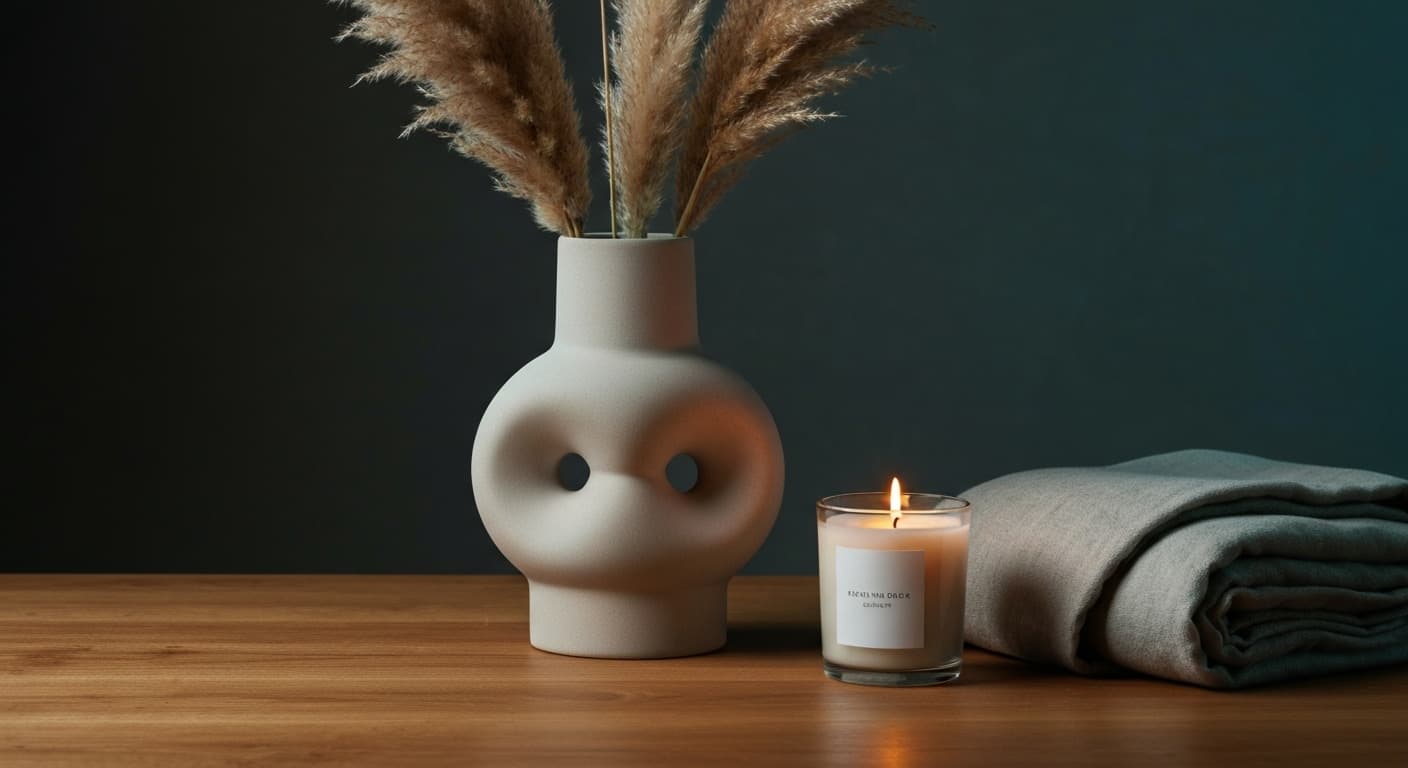
This is the conversion driver. Showing a candle in a styled living room, a rug under a dining table, or a vase on a kitchen shelf lets shoppers visualize the product in a context that resembles their own space. Research shows consumers are 3x more likely to buy when retailers provide in-room context imagery (GrabOn, 2026). One room scene is good. Two or three different styled rooms is better — it shows the product is versatile.
Texture close-up
Linen, ceramic, rattan, velvet, marble — material quality is a primary purchase driver for home decor. Shoppers can't touch your product, so the texture close-up is your stand-in for the tactile experience. A sharp, close-in shot of the fabric weave or the glaze finish addresses the single most common pre-purchase anxiety in this category.
Scale reference
Home decor products live or die by their scale in a space. A 5-foot floor lamp and a 2-foot table lamp look nearly identical in a standard white-background shot. Adding a scale reference — the product next to a known object, or shown in a room with standard-height ceilings — cuts the most common return reason in home decor: 'it was bigger/smaller than expected.'
Variant or collection shot
If your product comes in multiple finishes, colors, or sizes, show them together. A single shot of your ceramic vase line in sage, terracotta, and cream answers the color question and upsells to a set. Collection shots also reduce the number of separate photography sessions needed for variant-heavy catalogs.
How AI Handles Home Decor's Photography Challenges
Every problem that makes home decor photography expensive to do traditionally maps to something AI does differently. Not better in every way — AI can't physically handle an oversized sofa or make a rug feel soft. But for the digital representation that drives online sales, AI has clear advantages.
Room scenes without the set build
Traditional room-scene photography requires either building a set or renting a location — often $500–$2,000 before the photographer shows up. AI generates a contextual environment around your product directly from the source image. The model infers what kind of space fits the product and renders it. A decorative lamp gets placed in a styled living room. A throw pillow appears on a sofa. No staging required.
Scale context built in
AI scene-planning automatically includes contextual elements that communicate scale: a side table next to a sofa, a rug under a dining set, a vase on a countertop with visible cabinet proportions. This is one of the hardest things to do cheaply with traditional photography (it requires multiple setups), and AI handles it as part of standard scene generation.
Seasonal reshoots in 60 seconds
Home decor buying is highly seasonal. The same ceramic planter reads differently in a summer botanical scene versus a winter Nordic setting. AI lets you generate both from the same source photo. For merchants refreshing for spring, fall, or holiday, this eliminates the full catalog reshoot — the single most expensive line item in a home decor brand's content budget.
Full gallery for under $1 per product
Professional home decor photography runs $85–250 per SKU. For a 30-product catalog, that is $2,550–$7,500 per photography round. Prodofoto generates up to 9 images per product for under $1. The same 30-product catalog costs about $30. That math changes what seasonal refreshes and new collection launches cost.
Home Decor Before & After
A decorative pineapple lamp: clean source image on a neutral background versus an AI-generated lifestyle scene. The source image shows the product. The lifestyle shot sells it.
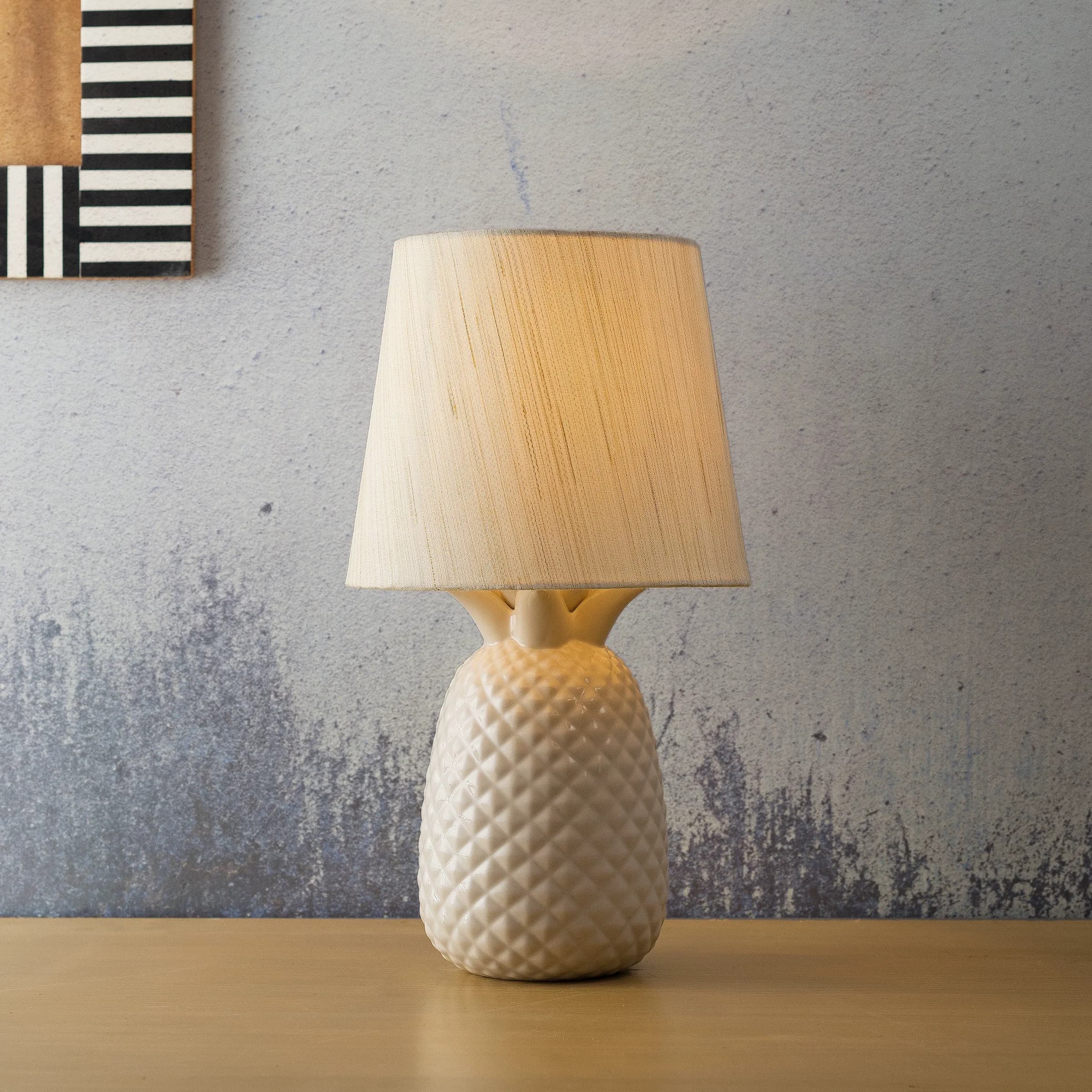
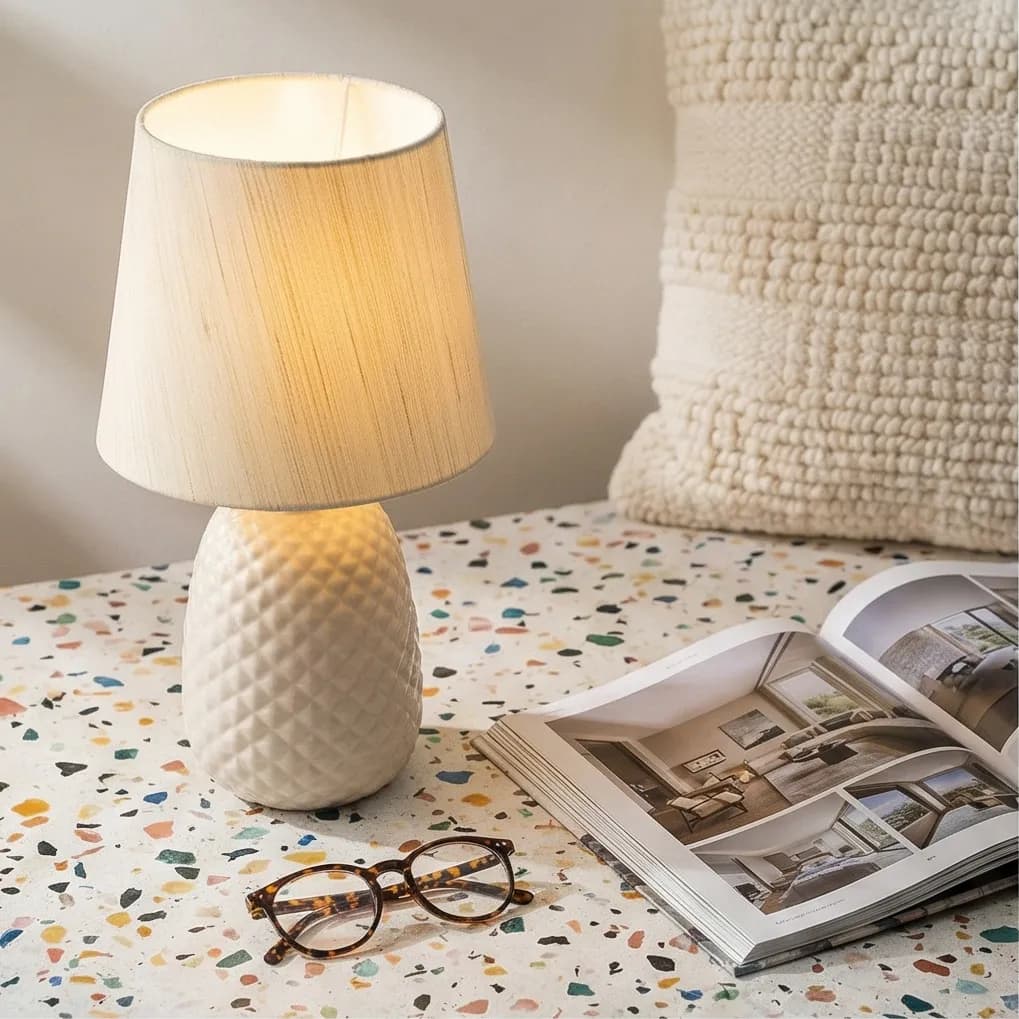
Same product. The lifestyle shot communicates scale, mood, and room context — the three things home decor shoppers need before buying.
How to Generate Home Decor Photos With Prodofoto
Prodofoto connects directly to your Shopify catalog. No manual uploading, no external tools, no prompt engineering needed.
Pick a product from your Shopify catalog
Prodofoto pulls directly from your Shopify product list. Select the home decor item you want to photograph.
Choose Lifestyle or Product-Only mode
For home decor, Lifestyle mode generates room-scene images with contextual furniture and styling. Product-Only mode gives you clean catalog shots on elegant surfaces — useful for Google Shopping compliance.
Generate — 60 seconds
Prodofoto creates up to 9 photos in one run. Each is a unique scene, so you get genuine variety for A/B testing, different seasonal looks, or multiple room contexts in a single session.
Edit with plain text if needed
Not happy with the background color or want to change the season? Type a plain-language instruction ('change to a warm autumn palette' or 'make the room more minimal') and Prodofoto edits the image. No Photoshop required.
Publish directly back to Shopify
One click adds the selected images to your Shopify product listing. Your gallery is live in minutes.
For a full walkthrough with screenshots, see the Prodofoto step-by-step tutorial. For a cost comparison between AI and traditional photography, see how much product photography actually costs.
Turn One Clean Product Photo Into a Full Room-Scene Gallery
Prodofoto generates up to 9 lifestyle images per home decor product in 60 seconds, for under $1. Connect your Shopify catalog and start generating today.
Frequently Asked Questions
What makes home decor product photography different from other categories?
Home decor forces shoppers to visualize a product inside their own space before buying. A sofa, a rug, or a ceramic vase isn't functional on its own — it works or doesn't work depending on the room it goes into. That creates a confidence gap that white-background product shots can't close. Room-scene lifestyle photography, texture close-ups, and scale references are all required, not optional. That is why home decor converts at 1.2–1.8% on Shopify, the lowest of any major category.
How many product photos does a home decor listing need?
Plan for 8–12 images per SKU. A high-performing home decor listing typically includes: one clean white-background shot (required for Google Shopping), two to three room-scene lifestyle images in different styled contexts, one texture close-up, one scale reference image, and one alternate angle or detail shot. Large furniture items benefit from even more. Research from Baymard Institute shows that shoppers browsing home decor feel buying confidence only after seeing a product in a realistic room environment.
Can AI generate room-scene photos for furniture and large items?
Yes. AI product photography places your product into a digitally constructed scene — a living room, a bedroom, a styled shelf — based on the type of item in your source photo. For furniture, the AI generates context elements (flooring, walls, lighting, complementary props) that make the piece feel grounded in a real space. The output is a polished room-scene lifestyle photo without staging, location rental, or a professional photographer.
How do I show the texture of rugs, pillows, and upholstery?
Texture is one of the biggest purchase anxiety points for home textiles. AI-generated lifestyle shots place fabric items in styled settings where the texture reads naturally — a linen throw on a sofa, a bouclé pillow on an accent chair. But for texture close-ups, the AI uses your source photo as the reference, so the quality of your input image matters. Start with a sharp, well-lit source shot that shows the weave or pile clearly.
Why is the home decor conversion rate so low on Shopify?
Home decor conversion runs at 1.2–1.8% compared to a Shopify average of 2.5–3%, primarily because shoppers cannot visualize a product in their own space from a single white-background photo. High average order values ($100–$500+ for furniture) mean buyers need more visual reassurance before committing. Photography that closes this gap — room scenes, multiple angles, scale references — reliably lifts conversions. Products with full lifestyle galleries convert 40% higher than white-background-only listings.
How much does professional home decor product photography cost?
Traditional home decor photography costs $85–250 per SKU when you account for a studio or location, a photographer, props, styling, and post-production. Room set builds for furniture add another $500–2,000 per session. For a 50-piece catalog, that is $4,000–$12,500 for one round of photography. AI generates the complete image set — room scenes, close-ups, lifestyle shots — for under $1 per product. A 50-piece catalog runs about $50.
Does AI product photography work for seasonal home decor refreshes?
Yes, and it is one of AI's strongest use cases for home decor. Seasonal product photography (spring/summer, fall/winter) normally requires reshooting an entire catalog with new props and settings. AI lets you regenerate any product in a new seasonal scene — autumn leaf tones and warm candles in November, bright whites and botanicals in May — in 60 seconds per product, without a reshoot. Merchants using AI for seasonal refreshes report reducing their content production time by 70–80%.
References
- 1. Firework — Home Decor Ecommerce Statistics 2026: Market Size, Trends, and What Drives Conversion
- 2. Shopify — Home Decor Ecommerce: Proven Trends, Strategies, and Examples (2026)
- 3. Rewarx — Ecommerce Product Photography Conversion Rates: Stats 2026
- 4. GrabOn — 50+ Ecommerce Product Photography Statistics (2026)
- 5. BlendNow — Do Better Product Photos Really Increase Sales?
- 6. Rewarx — The Best AI Tools for Furniture and Home Decor Photography
- 7. Baymard Institute — Ecommerce UX Research and Benchmarks