Toys, Games & Collectibles
AI Product Photography for Toys, Games & Collectibles on Shopify
The global toy market hit $115 billion in 2025 and Shopify is one of the fastest-growing channels for independent toy and game brands. Yet most listings still use flat supplier photos that show the product but not the experience — and that gap is where sales are lost.
By LinkedIn: Brian Chen • 9 min read • Published August 10, 2026

Quick Answer
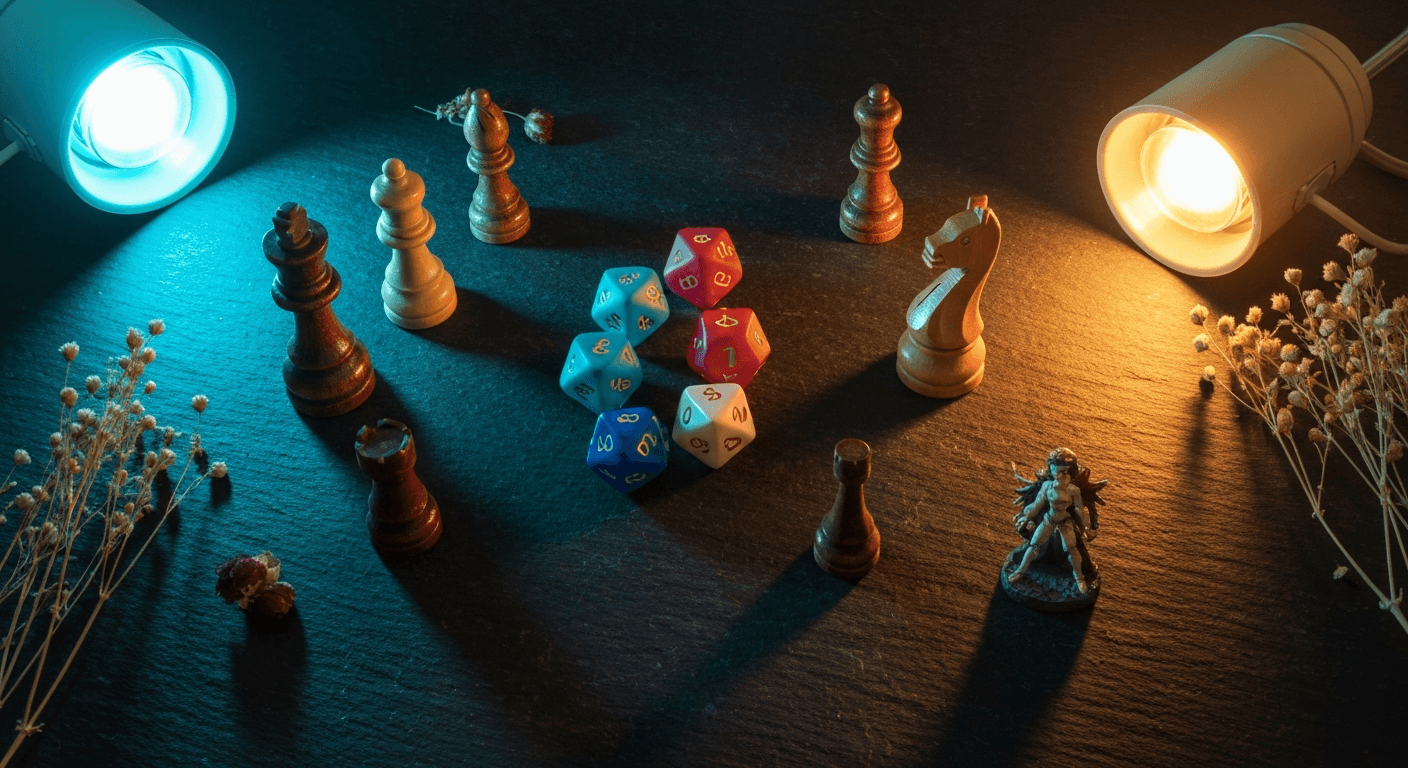
AI product photography for toys, games, and collectibles works by generating lifestyle play scenes, scale-reference shots, and detail close-ups around your actual product image — no studio, no child models, no prop sourcing required. Prodofoto produces up to 9 photos per product in 60 seconds for under $1, compared to $80–$1,200 per SKU for traditional toy photography.
Why toy and game product photography is uniquely difficult
Photographing a shirt or a water bottle is straightforward — one product, one surface, clean light. Toys and games are different. A board game needs pieces arranged mid-play. An action figure needs a display context that communicates scale and detail. A plush toy needs warmth and texture. A puzzle needs a partially completed scene so buyers understand what they're getting.
Traditional toy photography either stays too simple — the box on a white background — or becomes expensive fast. Child models require permits and insurance. Play scenes need set dressing, props, and hours of arrangement. Game night setups need multiple people. A proper lifestyle shoot for a 20-product toy catalog can run $20,000–$40,000 before post-production.
| Challenge | Traditional shoot | AI (Prodofoto) |
|---|---|---|
| Play scene staging | Hours of prop setup, multiple people | Generated in every lifestyle shot |
| Scale reference | Need additional reference objects in frame | Context objects included automatically |
| Child model shots | Permits, chaperones, insurance required | On-Model mode with contextual hands/environment |
| Multiple product variants | Reshoot for each color/edition | One upload per variant, generate instantly |
| Prototype photography | Risk of damaging pre-production samples | Upload a render or early sample safely |
| Cost per SKU | $80–$1,200 | Under $1 |
| Turnaround | 2–5 days | 60 seconds |
6 essential image types for toy and game Shopify listings
Toys and games have a wider required image set than most product categories. Buyers need to understand what's in the box, how it plays, how big it is, and what the experience of owning it feels like. These six shot types cover all four.
White-background hero shot
The compliant first image for Amazon, Walmart, and marketplace listings. Shows the product (or the box) clearly against clean white. Use Product-Only mode. Required for most marketplace main image slots.
Lifestyle play scene
The image that sells the experience — a game set up for play, action figures in an adventure context, a plush toy being held. This is the shot buyers imagine themselves in. Use Lifestyle mode. Highest conversion impact in the gallery.
Contents/components flat lay
Everything in the box spread out on a surface so buyers know exactly what they get. Critical for board games, model kits, and craft sets where box art understates contents. Use Product-Only mode with a flat-lay arrangement.
Scale reference shot
One of the top return drivers in toys is size disappointment. Show the product next to a recognizable object or in a context that makes size intuitive. AI-generated lifestyle scenes naturally include contextual scale cues.
Detail and quality close-up
Collectors and gift buyers inspect quality markers: print detail on cards, paint application on figures, stitching on plush, material quality on game components. A close-up shot addresses the top pre-purchase concern for premium toys.
Gift/display context shot
Toys and games are the #1 gift category globally. A shot showing the product beautifully packaged or displayed on a shelf converts gift buyers who are imagining giving it. Lifestyle mode with gift-wrapping or shelf display context.
AI photography by toy and game product type
Each toy subcategory has specific visual requirements. Here is what to prioritize and which Prodofoto modes to use.
Board games & card games
Strategy games, party games, trading card games, puzzles
Mid-game table setup lifestyle, components flat lay, box hero shot, card detail close-up
Mode: Lifestyle + Product-Only
Action figures & figurines
Collectible figures, model kits, anime figures, superhero toys
Display shelf context, dramatic action pose lifestyle, paint detail close-up, scale reference
Mode: Lifestyle + Product-Only
Plush toys & soft toys
Stuffed animals, character plush, weighted plush
Cozy bedroom lifestyle, held-in-hands on-model, texture close-up, gift-wrapped display
Mode: Lifestyle + On-Model
Puzzles & construction sets
Jigsaw puzzles, STEM kits, wooden puzzles, building sets
Partially completed scene on table, all-pieces-laid-out flat lay, completed result lifestyle
Mode: Lifestyle + Product-Only
Collectibles & trading cards
Graded cards, sealed packs, enamel pins, limited editions
Premium display flat lay, graded slab detail, collector's binder context, rarity callout infographic
Mode: Product-Only + Infographic
| Shot type | Prodofoto mode | Converts |
|---|---|---|
| Marketplace hero | Product-Only | Compliance + first impression |
| Play scene lifestyle | Lifestyle | Emotional purchase intent |
| Components flat lay | Product-Only | Purchase confidence |
| Scale reference | Lifestyle | Return rate reduction |
| Quality close-up | Product-Only | Premium perception |
| Gift display | Lifestyle | Gift buyer conversion |
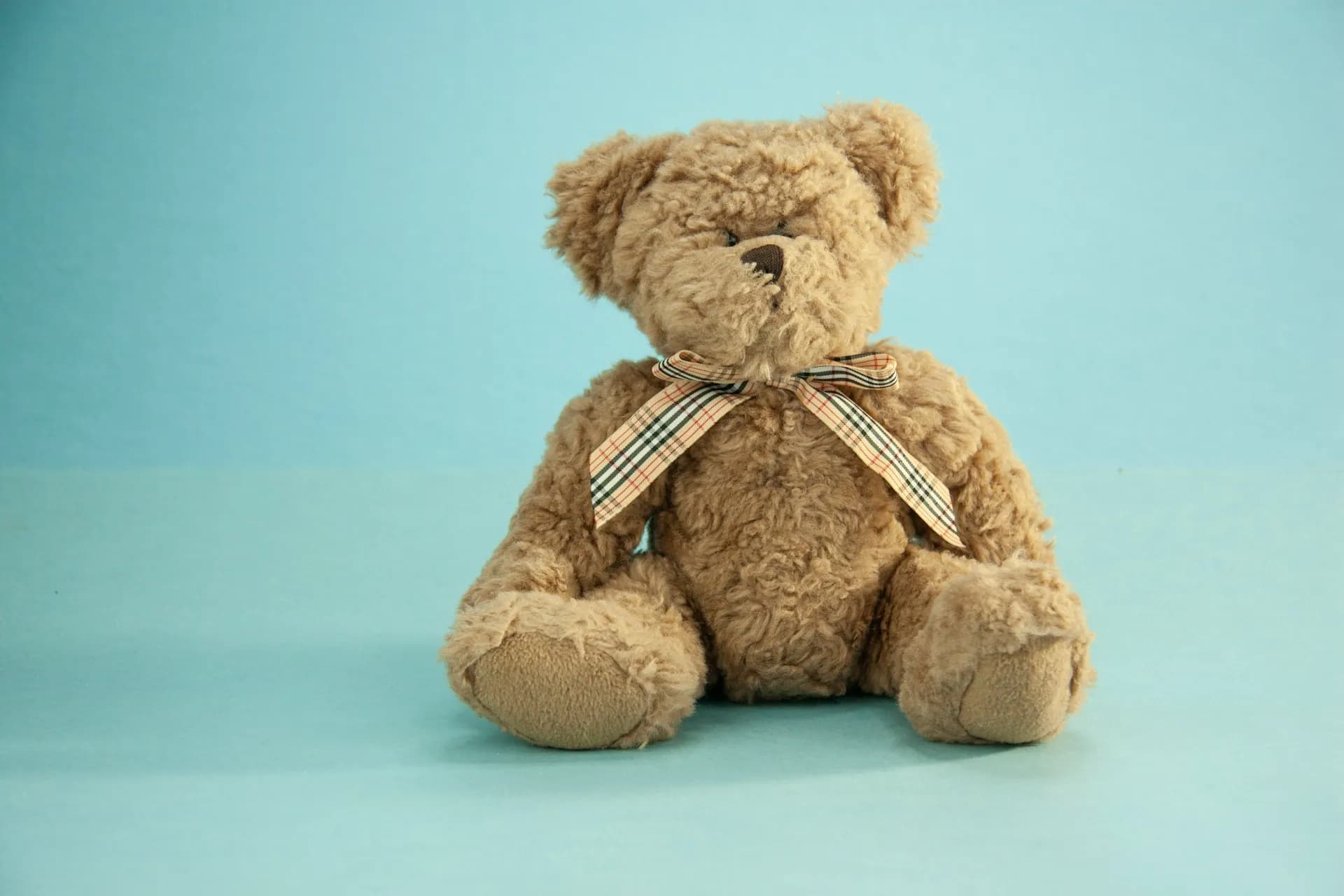
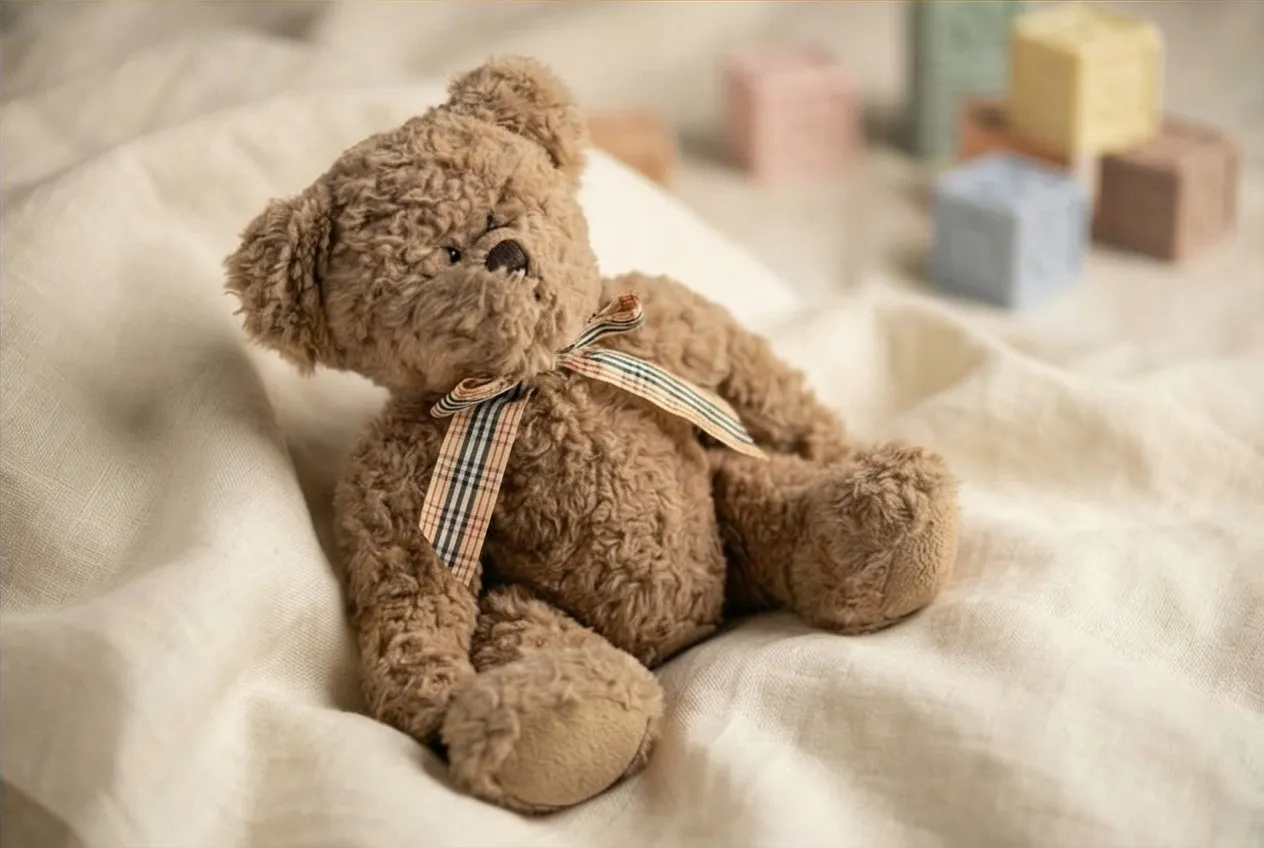
Before & after: plush teddy bear
A plush toy is one of the most emotionally driven purchases in ecommerce. The product shot that shows warmth and softness converts; the one that doesn't looks like a stock image.
Photography cost comparison: traditional vs AI
The toy and game category has some of the highest traditional photography costs in ecommerce. Child models add legal complexity. Complex play scenes add time. Props and set dressing add budget. AI removes all three cost drivers.
| Catalog size | Traditional cost | AI cost (Prodofoto) | Savings |
|---|---|---|---|
| 10 SKUs | $800–$12,000 | Under $10 | Up to 99% |
| 25 SKUs | $2,000–$30,000 | Under $25 | Up to 99% |
| 50 SKUs | $4,000–$60,000 | Under $50 | Up to 99% |
| 100 SKUs | $8,000–$120,000 | Under $100 | Up to 99% |
| 500 SKUs | $40,000–$600,000 | Under $500 | Up to 99% |
Traditional cost range: $80–$1,200/SKU depending on set complexity, child model requirements, and prop sourcing. AI cost assumes Prodofoto Starter plan at ~$0.25–$1/product.
5-step Prodofoto workflow for toy and game brands
From a single product photo to a full 9-image toy listing gallery in under 5 minutes.
Install Prodofoto from the Shopify App Store
One-click install, no credit card required for the free tier. Your Shopify catalog syncs automatically — product photos pull directly from your existing listings.
Select your product and choose shoot mode
Pick the toy or game you want to photograph. Choose Lifestyle for play-scene shots, Product-Only for white-background catalog images or components flat lays, Infographic for specs and callouts, or On-Model for plush toys and held-product shots.
Set your photo count and generate
Choose 2, 4, 6, or 9 photos per shoot. Click generate. AI renders your product into a fully staged scene — game table setup, collector display shelf, cozy bedroom for plush toys — 60 seconds per set.
Review and select your best shots
Browse the generated set. Select the play-scene lifestyle shot for your hero gallery position, the components flat lay for position 3, and the scale reference for position 4. Discard anything that doesn't match your intended experience.
Publish directly to your Shopify listing
One click pushes selected photos directly to your Shopify product listing. No export, no file management, no upload queue. Your listing goes live with professional photography.
Related guides
Start photographing your toys and games today
Join thousands of Shopify brands generating professional play scenes and lifestyle photos for under $1 per product. No studio, no models, no props.
Add to Shopify — FreeFrequently asked questions
Can AI photography show toys and games in use, not just as standalone products?
Yes. Prodofoto's Lifestyle mode places your product into a fully staged play scene — a board game mid-session on a game night table, action figures arranged in a display case, plush toys in a cozy bedroom setting. The AI generates the environment around your product image, so you never need to source props or book a shoot.
How does AI handle scale reference for toys where size matters to buyers?
Scale ambiguity is one of the top return drivers in the toy category. Prodofoto's Lifestyle mode generates contextual scenes that include recognizable reference objects — tabletop surfaces, hands, shelving, bookshelves — that give shoppers an intuitive sense of size. For products where exact dimensions are critical, pair a lifestyle scene with an Infographic mode shot that overlays measurements directly.
Will AI photography work for limited-edition and rare collectibles?
Absolutely. Upload a single high-quality photo of the collectible — graded card, sealed figure, vintage game — and AI generates multiple display shots without touching the item. This is particularly valuable for fragile or one-of-a-kind pieces where staging a traditional shoot risks damage. The AI preserves the product exactly as photographed.
What Prodofoto modes work best for the toy and game category?
Lifestyle mode for play-scene and lifestyle context shots; Product-Only for clean white-background catalog images required by Amazon and marketplace standards; Infographic mode for feature callouts (number of pieces, age range, dimensions); On-Model mode for soft toys like plush animals where a child's hand or lap context dramatically increases conversion.
How much does traditional toy product photography cost vs AI?
Traditional toy photography runs $80–$250 per SKU for basic studio shots and $400–$1,200 per SKU when play scenes require set dressing, child models, and prop coordination. A 100-product toy catalog costs $8,000–$120,000 to photograph traditionally. With Prodofoto, the same catalog runs under $100.
Can I use AI product photos for Amazon, Etsy, and other toy marketplaces?
AI-generated images comply with Amazon, Etsy, and Shopify listing policies as of 2026, provided the product is accurately represented and images meet platform dimension requirements. White-background hero shots from Product-Only mode meet Amazon's main image rule. Lifestyle shots are suitable for secondary image slots.
Do AI-generated toy photos work for crowdfunding campaigns like Kickstarter?
Yes — and this is one of the highest-value use cases. Toy and game creators launching on Kickstarter or Indiegogo often need compelling lifestyle imagery before a production run exists. Upload a prototype photo or 3D render, and Prodofoto generates the lifestyle campaign imagery that shows backers what the finished product will look and feel like.
References
- IMARC Group — Global Toy Market Size Report 2025 ($115B market, 5.5% CAGR projected through 2033)
- Statista — Toys & Games is the #1 gift category globally by purchase volume (2025)
- Baymard Institute — 58% of shoppers abandon cart due to insufficient product images; scale reference listed as top missing element for physical goods
- GrabOn — 90% of online shoppers say product images influence purchasing decisions; lifestyle imagery increases dwell time by 40% vs white-background only
- Shopify Commerce Trends 2026 — Toy and game category among top 5 fastest-growing Shopify verticals by GMV; independent brands now 23% of toy ecommerce revenue
- Photta / Rewarx — AI product photography benchmark: under $2 per image vs $25–$60 traditional; lifestyle imagery reduces return rate by up to 22%
- Kickstarter 2025 Annual Report — Board games and tabletop RPGs remain the #1 funded category by dollar volume; product photography quality correlated with 34% variance in campaign conversion rate