Beauty Photography
AI Product Photography for Beauty & Cosmetics on Shopify
AI product photography lets beauty and cosmetics Shopify merchants generate professional lifestyle photos in under 2 minutes. Drop photography costs from $15,000–$50,000 annually to $1,000–$5,000 while boosting conversions by up to 35%.
By Prodofoto Team • 10 min read• Published July 20, 2026
Quick Answer
AI product photography lets beauty and cosmetics Shopify merchants generate professional lifestyle photos in under 2 minutes, starting from standard white-background images. This drops photography costs from $15,000–$50,000 annually to $1,000–$5,000 while boosting conversions by up to 35%. Beauty brands need both white-background photos (for color accuracy and marketplace compliance) and AI-generated lifestyle scenes (for emotional connection and conversion).
Why Beauty Product Photography Is So Challenging
Beauty products combine multiple photography challenges in a single shot. Glass bottles and jars reflect everything in the room — and without a controlled studio, those reflections kill the image. Metal caps and pumps add specular highlights that blow out or go dark depending on the angle. Texture matters enormously: the difference between a gel, cream, serum, and oil needs to be visually apparent at thumbnail size.
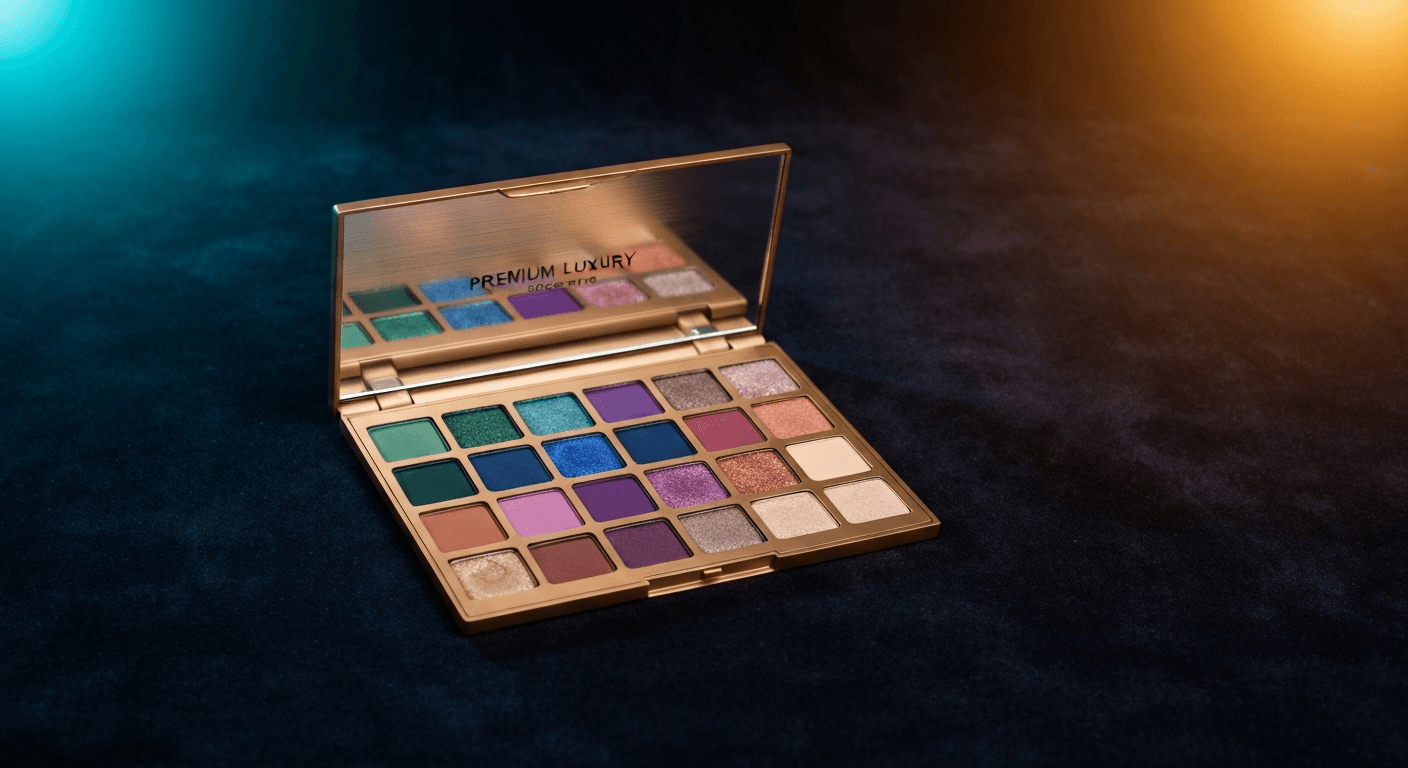
Color accuracy is non-negotiable. A lipstick that looks coral in photos but arrives as pink-red generates returns and negative reviews. Foundation shades need to match exactly. Eyeshadow palettes must render true color depth and undertones — matte, shimmer, and duo-chrome finishes each require different lighting control. Traditional beauty photographers address this with polarizing filters, precise color calibration, and 2–4 hours of retouching per product.
Traditional Photography Costs for Beauty Products
A professional beauty product photographer charges $200–$1,000 per product, with retouching adding another $100–$600 per SKU on top. A 50-product skincare catalog at $300 per product costs $15,000 before any lifestyle setups. A 200-item cosmetics line runs $80,000+. Booking lead times run 1–3 weeks, turnaround after the shoot is 2–4 more weeks, and adding new SKUs restarts the whole cycle.
For growing brands adding products quarterly, this creates a permanent bottleneck. New launches sit in inventory with placeholder photos. Seasonal collections miss their conversion window. The photography budget consumes margin that should fund paid acquisition.
What Is AI Product Photography for Beauty & Cosmetics?
AI product photography generates realistic lifestyle scenes from a single white-background product photo. Upload a clean product photo, select a scene type, and the AI generates a professional lifestyle image in under 2 minutes — no studio, no lighting equipment, no photographer.
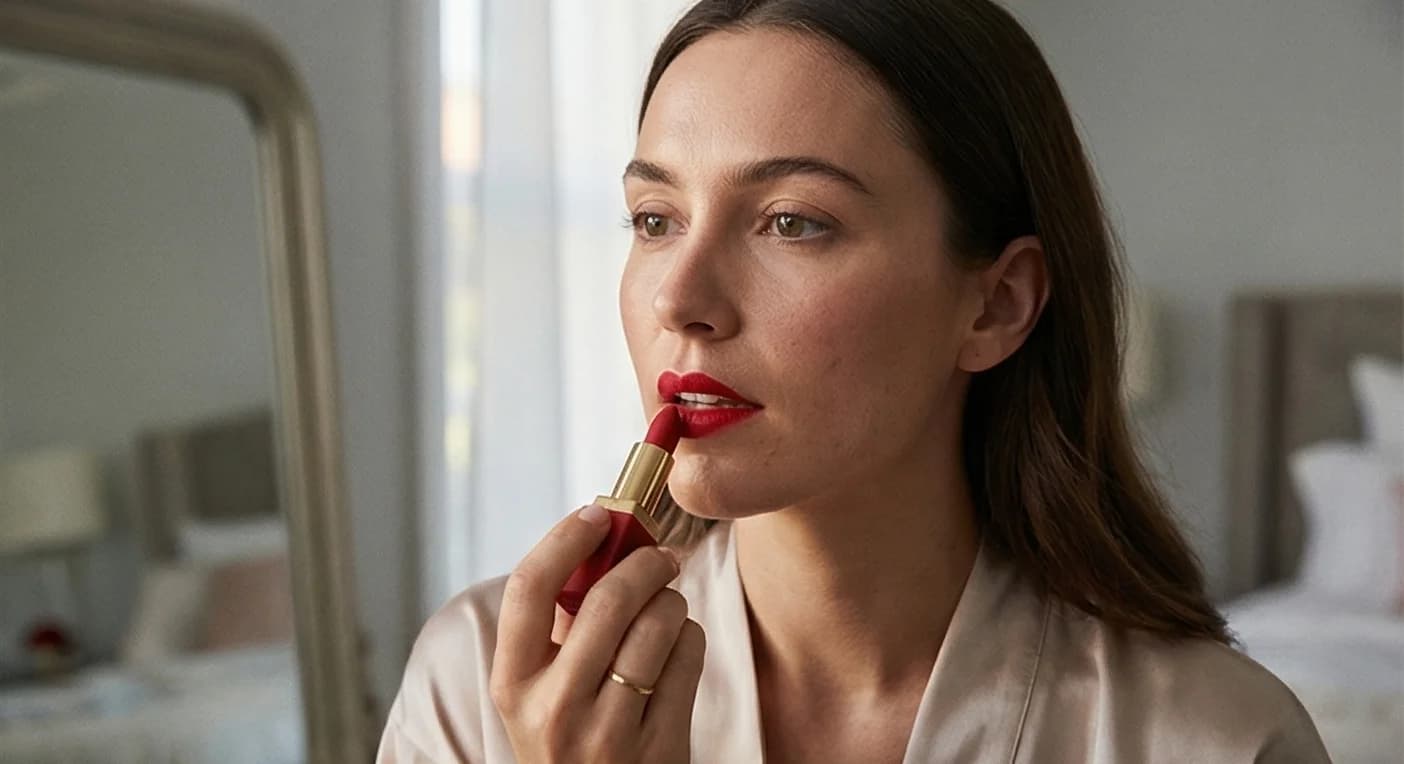
For beauty products, this means your skincare serum appears on a bathroom vanity with morning light streaming in. Your lipstick set sits on a beauty station surrounded by makeup brushes. Your face cream rests on a marble countertop with natural shadows and realistic reflections on the glass jar.
Why Beauty Brands Are Switching to AI Photography
Cost reduction is the obvious driver — going from $15,000–$50,000 annually to $1,000–$5,000. But speed and testing velocity matter more than most brands expect. With AI, you can generate 3–4 different scene variations for a single product in an afternoon and A/B test them directly on Shopify. Finding the winning scene — rustic wood vs. modern bathroom vs. marble counter — costs $10–$30 instead of $1,800 per reshoot and 3 weeks of wait time.
Shopify stores using lifestyle product photography see an average 35% conversion improvement over white-background-only galleries. The visual upgrade from basic studio shots to contextual lifestyle images drives that lift — and AI makes running that upgrade across every SKU practical.
White Background vs Lifestyle Photos for Beauty Products
Beauty brands face a specific challenge: you need white-background photos AND lifestyle photos — not either/or.
White-background photos serve three critical functions: marketplace compliance (Amazon, eBay, Google Shopping require them for main listing images), color accuracy (true product color without environmental tint), and detail focus (customers examine packaging and labels closely before buying).
Lifestyle photos create emotional connection and demonstrate use context. A face cream on a bathroom vanity suggests a morning routine and positions the product in a real space buyers recognize. A makeup palette on a beauty station implies getting ready for an event. According to conversion data across Shopify beauty stores, lifestyle photos in gallery positions 2–4 increase add-to-cart rates by 25–40%.
Beauty Photo Conversion Impact
Beauty and personal care products have an average Shopify conversion rate of 5.04%. High-quality product photography pushes that to 6–7%. A 28% increase in image size correlates with a 63% increase in conversion rates for beauty listings. The optimal gallery sequence leads with a white-background hero, then rotates through lifestyle scenes, texture close-ups, and on-skin application shots. AI makes that full gallery achievable without a $3,000 photography budget.
Before & After: AI Photography for Cosmetics
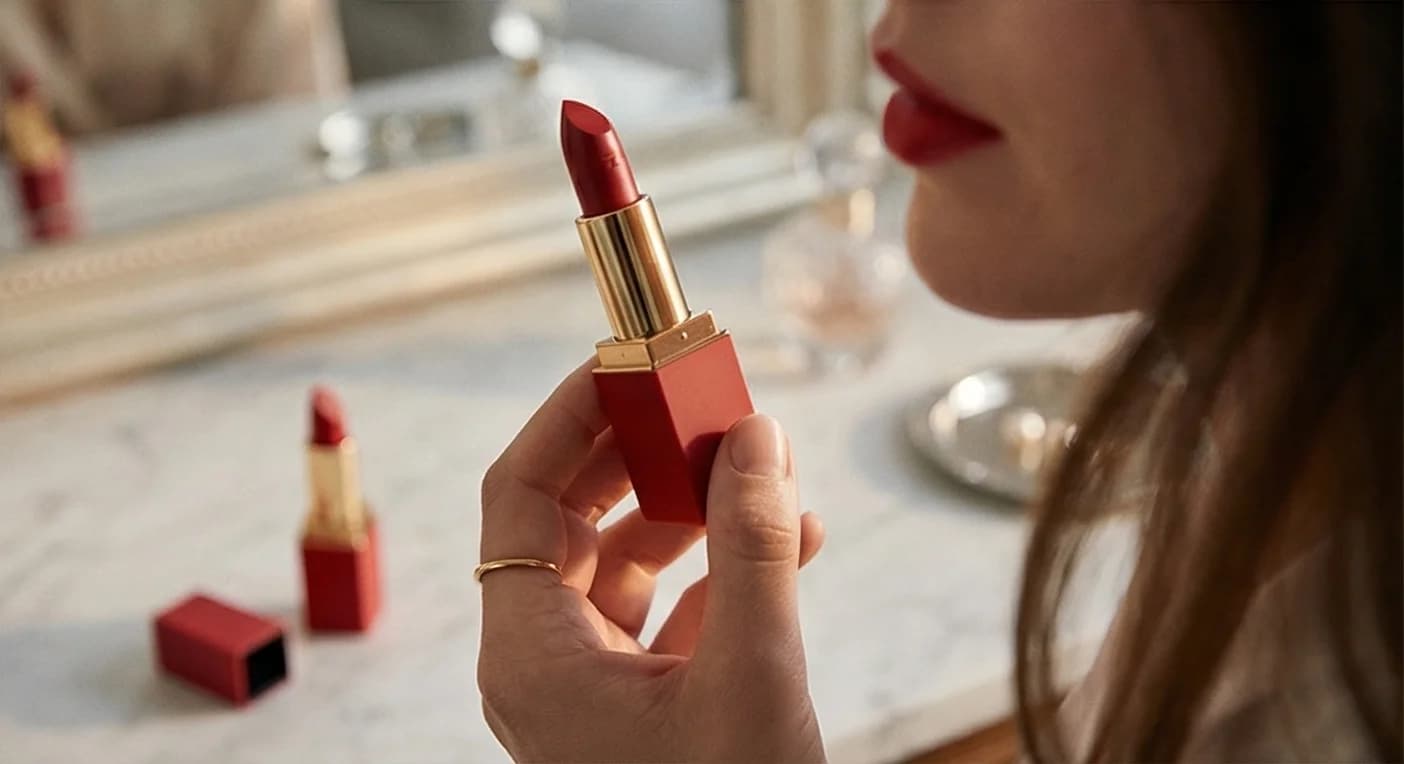
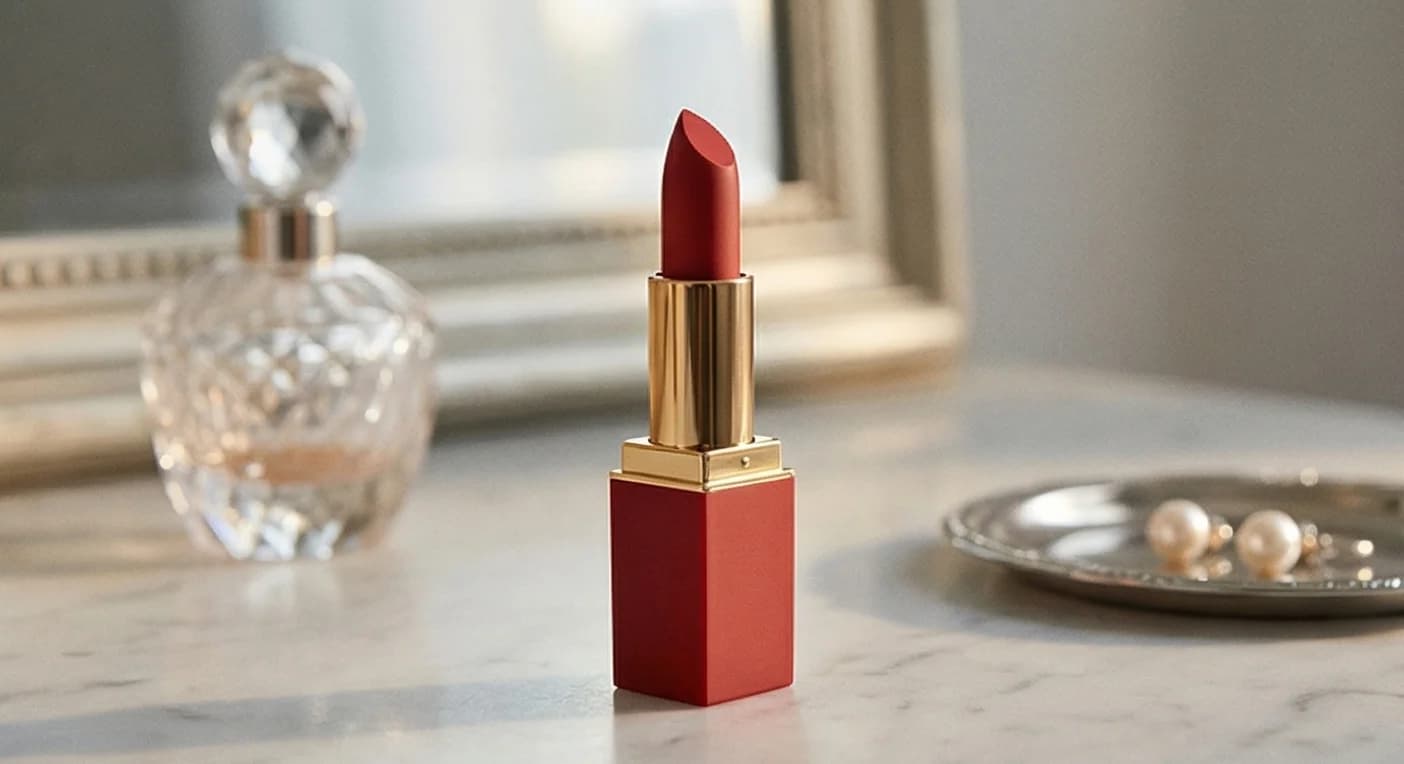
Traditional white-background photos show your product clearly — but they don't inspire. A lipstick on a white surface provides product information but no emotional pull. The same lipstick photographed on a beauty station with brushes, warm lighting, and a hint of natural shadow creates desire.
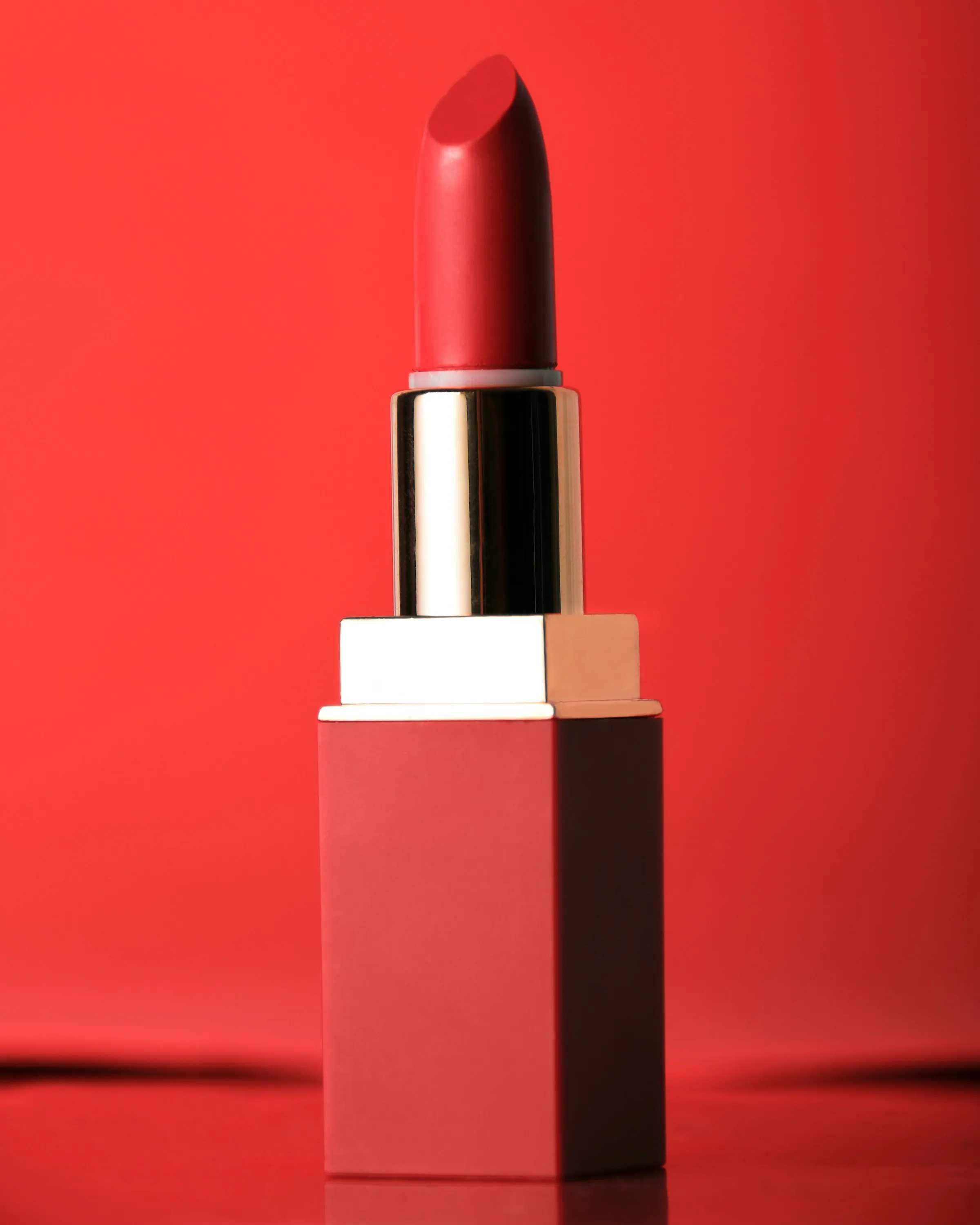
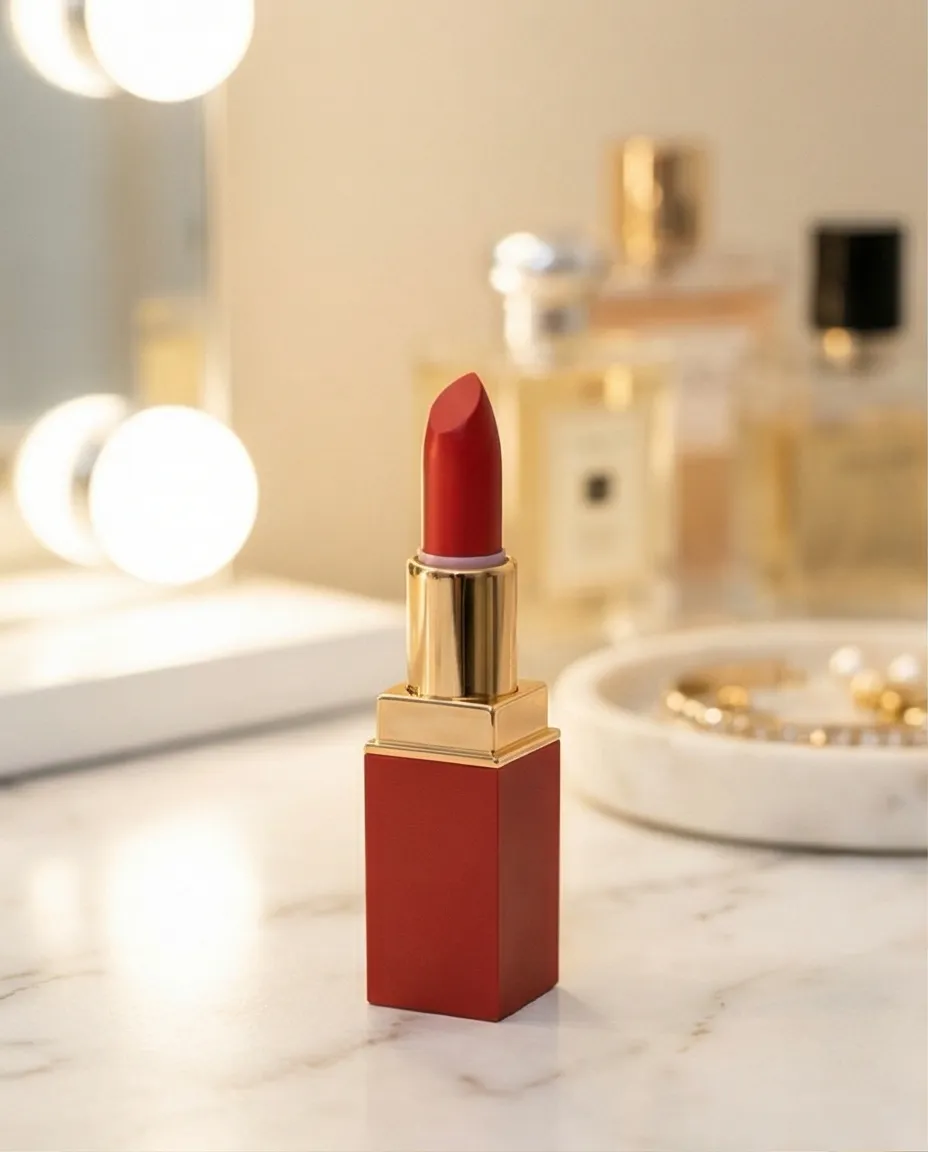
Both images serve a distinct purpose. The white-background hero goes in gallery position 1 — it satisfies Amazon and Google Shopping compliance and gives buyers an accurate color read. The AI lifestyle image goes in positions 2–4, where emotional connection converts browsers into buyers. You need both, and AI makes generating the lifestyle set take 2 minutes instead of 2 weeks.
AI Product Photography Tools for Beauty & Cosmetics Brands
Not all AI product photography platforms handle beauty products well. Key capabilities to evaluate: color accuracy and fidelity, texture rendering quality, realistic lighting and reflections on glass and metal, beauty-appropriate scene options, and batch processing for large catalogs.
Top AI Platforms for Shopify Beauty Stores
Prodofoto (Shopify-native)
Designed specifically for Shopify merchants. Pull products directly from your store, choose lifestyle scenes, and generate professional photos in under 2 minutes. Offers beauty-appropriate settings like bathroom vanities, beauty stations, and natural light contexts. Credit-based pricing, free tier available.
PhotoRoom
Popular general-purpose tool with strong background removal. Some lifestyle backgrounds but focuses more on clean studio shots. Mobile app available. $9.99–$19.99/month. Not Shopify-native.
Claid AI
Developer-focused platform with API access and batch processing. Higher quality output but more complex setup. Better suited for larger catalogs with engineering resources. No native Shopify integration.
Pebblely
Simple interface with decent lifestyle backgrounds. Quality can be inconsistent for complex beauty products (glass, reflections). Subscription pricing. Limited Shopify integration.
For beauty brands on Shopify, native tools like Prodofoto eliminate the export/upload friction and offer scenes designed for cosmetics. See our full comparison of AI product photography tools for a detailed breakdown by use case.
Best Practices for AI Beauty Product Photography
Scene Selection by Category
Skincare (serums, moisturizers, cleansers)
Bathroom vanity with natural morning light. Marble or light wood surfaces. Spa-like environments with minimal aesthetic. Natural light reveals gel and cream textures cleanly.
Makeup (lipstick, eyeshadow, foundation)
Beauty station or vanity with complementary tools — brushes, mirrors, compact cases. Neutral beiges, soft pinks, and clean whites work universally. Choose backgrounds that don't clash with product tones.
Haircare (shampoo, conditioner, styling)
Bathroom shelf or shower setting. Styling products work well on beauty stations alongside hair tools. Morning light suggests fresh starts and clean routines.
Fragrance (perfume, body spray)
Marble surfaces, botanical arrangements, or luxury dresser scenes. Soft directional lighting creates glass refractions that communicate premium positioning. Dark backgrounds work well for luxury/niche fragrances.
Nail Care (polish, treatments)
Beauty desk with natural light. Neutral backgrounds that showcase bottle colors without distraction. Flat lays with complementary accessories like nail files or cuticle tools.
Optimizing Photos for Shopify
Beauty shoppers browse primarily on mobile. Product gallery sequence matters: lead with your white-background hero, follow with lifestyle, then close-up texture or swatch shots. Image size should be 2048×2048px minimum for zoom functionality. Use WebP format for page speed while maintaining color fidelity. For guidance on gallery structure, see our white background vs lifestyle photo guide.
Color Accuracy Is Non-Negotiable
When using AI product photography, always verify that generated lifestyle images maintain color accuracy. Compare the product color in the AI-generated scene against your original white-background photo. Scene lighting can shift warm or cool tones — if a coral lipstick looks red-orange under warm vanity light, correct it before publishing. Prodofoto's plain-English editing lets you apply color corrections in about 60 seconds without regenerating the full scene.
Cost Comparison: Traditional vs AI Beauty Photography
| Traditional | AI Photography | |
|---|---|---|
| Per product | $200–$1,000 | $2–$10 |
| 50-product catalog | $15,000+ | $1,000 |
| 200-product catalog | $80,000+ | $4,000 |
| Turnaround | 2–4 weeks | Under 2 minutes |
| Scene testing | $1,200+ per reshoot | Essentially free |
| Cost savings | — | 80–90% reduction |
The scene-testing advantage compounds over time. Traditional photography forces brands to commit: pick one scene, book the studio, wait for results. AI lets you test 3–4 scene variations for any product in under an hour, identify the highest converter, and ship that image to your store the same day. See how this compares across verticals in our fashion & apparel photography guide.
For a full breakdown of what traditional photography costs by product type, see our product photography cost guide.
How to Get Started with AI Beauty Photography
Audit existing white-background photos
Review current product images. Identify which are clean enough to use as AI source images — sharp, well-lit, no clutter in frame.
Install a Shopify-native AI photography app
Native integration pulls products directly from your store catalog without manual upload. Install Prodofoto from the Shopify App Store and connect your catalog in under 5 minutes.
Select lifestyle scenes by product category
Skincare → bathroom vanity with morning light. Makeup → beauty station. Haircare → bathroom shelf. Fragrance → marble surface or botanicals. Use category-appropriate backgrounds that match buyer intent.
Generate and test variations on your bestsellers first
Start with top-selling products. Generate 2–3 scene variations per product. Verify color accuracy by comparing generated lifestyle images against your original white-background photo.
Update galleries and monitor conversion rate
Lead gallery position with white-background photo, follow with lifestyle images. Track conversion rate over 2–3 weeks. Beauty products typically see 10–40% conversion improvement after the switch.
Common Mistakes to Avoid
- ✗Replacing white-background photos entirely — marketplaces require them, and they anchor color accuracy
- ✗Choosing inappropriate scenes (makeup in a kitchen or generic outdoor setting)
- ✗Skipping color accuracy verification between source and generated image
- ✗Not checking mobile appearance — over 70% of beauty shoppers browse on phone
- ✗Generating for every SKU before validating the top 3 — test bestsellers first
For a step-by-step walkthrough of the Prodofoto workflow, see our complete guide to using Prodofoto.
References
- Shopify — Ecommerce Conversion Rate Benchmarks (2024)
- Statista — Beauty & Personal Care Industry Overview
- BigCommerce — Product Photography Best Practices
- Practical Ecommerce — Product Photo Size & Format Best Practices
- Amazon — Product Photography Requirements and Guidelines
- Google — Shopping Image Requirements for Merchant Center
- Prodofoto — AI vs Traditional Product Photography: Cost & Quality Comparison
FAQ: AI Product Photography for Beauty Brands
Can AI product photography accurately capture makeup and eyeshadow palette colors?+
Yes. AI photography anchors on your original product image, so actual pigment colors — whether matte, shimmer, or duo-chrome — carry through to the generated scene. For palettes with multiple shade panels, the AI renders each compartment with correct reflective properties (matte finishes absorb light, shimmers show specular highlights). If the first generation shifts a shade due to scene lighting, use Prodofoto's plain-English editing: 'make the rose gold shade more pink' or 'the emerald green should be deeper.' Color corrections apply in about 60 seconds without regenerating from scratch.
How many product photos does a beauty listing on Shopify need?+
High-converting beauty listings need 6–8 images: a white-background hero (required for Google Shopping and most marketplaces), a packaging detail close-up, a texture or swatch shot, a lifestyle context image (vanity, bathroom shelf, morning routine), an in-use or on-skin shot, and a before/after or ingredient transparency flat lay. Skincare benefits from an ingredient shot showing key actives. Fragrance needs a bottle + botanical lifestyle scene at minimum.
How much does traditional beauty product photography cost?+
A single beauty product shoot — hero plus two or three lifestyle variations — typically costs $400–$1,200 including studio time, makeup artist, and post-production retouching. A full brand launch across 12 SKUs runs $5,000–$15,000. AI generates equivalent coverage (hero, lifestyle, close-up, on-skin context) for under $1 per product in about 60 seconds, with no studio booking, no makeup artist, and no retouching wait.
Can Prodofoto generate on-skin or model application shots for cosmetics?+
Prodofoto's On-Model mode places your product in a lifestyle context — including beauty applications like skincare applied to skin, lipstick on a model, or perfume on a wrist. This solves the biggest challenge for beauty: showing how the product looks in real use, not just sitting in a box. On-Model mode is available across all plan tiers.
Can AI handle reflective glass and metallic packaging for perfume and skincare?+
Yes. AI photography models how glass refracts light, how metallic caps create specular highlights, and how chrome or mirror finishes reflect their environment — without requiring multiple polarizing filters or hours of post-retouching. Traditional photographers charge $200–$600 per product for beauty retouching alone, much of it managing reflections. AI handles this automatically as part of the scene generation.
Can I use AI product photos on Amazon, Google Shopping, and Sephora marketplace?+
White-background photos are required for main product images on Amazon (main slot), Google Shopping, and most beauty marketplaces. AI lifestyle photos work for gallery slots 2–7. The practical approach: use Prodofoto's Product-Only mode to generate clean hero shots on white or near-white surfaces for marketplace compliance, and Lifestyle mode for the editorial gallery images that drive conversion.
Does Prodofoto work for indie beauty brands with small product catalogs?+
Prodofoto has a free tier that lets you generate your first photos with no upfront cost. For an indie brand with 5–20 SKUs, you can photograph the entire catalog for under $20. The app connects directly to your Shopify store — no uploading — so you select a product, choose Lifestyle or Product-Only mode, and generate up to 9 photos per product in about 60 seconds. Test a few hero SKUs on the free tier before committing to a paid plan.
Ready to Transform Your Beauty Product Photos?
Generate professional lifestyle photos for your beauty brand in under 2 minutes. No studio, no photographer, no wait.