Pet Supplies & Pet Products
AI Product Photography for Pet Supplies & Pet Products on Shopify
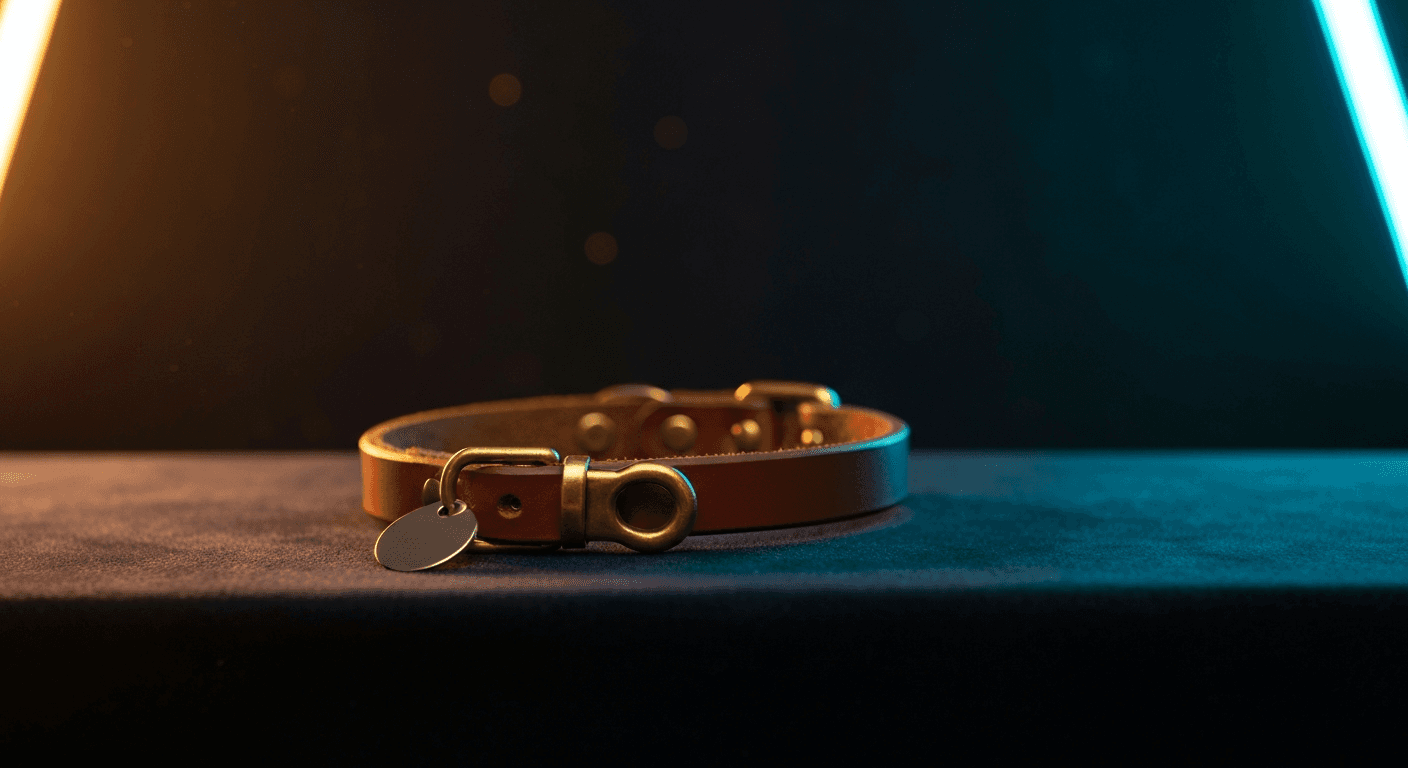
Pet care ecommerce converts at 2.32–4.17% on Shopify — strong numbers, but only when listings show products in the context buyers actually need. A collar on a white background tells shoppers nothing about how it sits on a neck. A bed without a dog inside offers no scale reference. AI fills that context gap: on-pet lifestyle shots, room-scale references, and detail close-ups for under $1 per product.
By LinkedIn: Brian Chen • 8 min read • Published June 27, 2026

Quick Answer
Pet product listings need 6–8 images: a clean background shot, two lifestyle images showing the product on or near a pet, a texture close-up, a scale reference, and a packaging shot. Traditional pet photography costs $75–$500+ per SKU when live animals are involved. AI generates the full set in 60 seconds for under $1 per product. Products with full lifestyle galleries convert 40% higher than white-background-only listings (Rewarx, 2026). The pet care market hit $188 billion in 2025 and is growing — the stores that win are the ones that show, not just describe.
Why Pet Product Photography Is Harder Than It Looks
A white-background collar photo tells a buyer what a collar looks like. It doesn't tell them whether it will fit their retriever's neck, whether the buckle sits flush on a thick coat, or how the hardware color reads under warm indoor light. Those are the questions that determine whether someone clicks "Add to cart" or bounces.
Answering them properly with traditional photography is expensive. You need live animals, which means coordination, handlers, and safety protocols. Animals don't hold poses. Outdoor lifestyle shots require location permits. The result: pet photography costs $200–$500+ per SKU when animals are in the frame, versus $75–$150 for standard product-only shots. Most small Shopify pet stores default to static product images and lose conversions because of it.
AI closes the gap. It generates contextually appropriate scenes around your product — a collar on a dog, a bed with a cat curled inside, a toy in a sunlit living room — from a single clean product photo. No live animals. No location. No waiting.
| Challenge | Traditional Photography | AI Photography |
|---|---|---|
| On-pet context | Live animal, handler, safety setup ($200–500+ per SKU) | AI places product on a realistic pet in the scene |
| Scale reference | Staging with props or live model per size variant | AI adds contextual scale automatically |
| Lifestyle environment | Location scouting, permits, travel | AI generates home or outdoor scenes on demand |
| Seasonal refresh | Full reshoot with new props and locations | Regenerate any product in a new seasonal scene |
| Cost per SKU | $75–$500+ depending on live animals and location | Under $1 for up to 9 images |
| Turnaround | Days to weeks | 60 seconds per product |
The 5 Image Types Every Pet Product Listing Needs
Pet buyers shop with high emotional investment. They are buying something for a family member. That means they scrutinize images more carefully than shoppers in most other categories. A single product shot doesn't close the sale. A complete visual story does.
Clean background shot
Required for Google Shopping and marketplace compliance. Lead your gallery with a white or light-neutral background image. Every other image type in this list goes behind it. Without this shot, you risk listing suppression on Google's Shopping tab.
On-pet or in-use lifestyle shot
This is the conversion driver for pet products. A collar on a white background is a product. A collar on a golden retriever at a park is a purchase. Shoppers are 3x more likely to buy when context imagery shows the product being used as intended (GrabOn, 2026). For products like harnesses, beds, and toys, the in-use shot is often more persuasive than any description you could write.
Scale reference image
Pet products come in sizes that matter: S/M/L collars, small vs. large dog beds, kitten vs. adult cat toys. A bed that looks large on a white background might be a tiny kitten bed. Shoppers can't tell without a reference. A lifestyle scene with a pet establishes size instantly. One scale reference image per product reduces sizing-related returns significantly.
Detail and texture close-up
Hardware quality on a collar, stitching on a harness, fabric pile on a bed — these details drive premium pricing. A macro close-up of the brass buckle or the quilted surface of a dog bed justifies a $45 price point over a $15 option. Shoppers can't touch your product; the texture close-up is your substitute for the in-store feel.
Lifestyle environment shot
Show the product in the context it will actually live in. A dog bed in a corner of a styled living room. A cat tree next to a sunny window. A treat bag on a kitchen counter beside a bowl. These images sell the outcome — a happy, well-cared-for pet in a beautiful home — not just the object.
AI Photography by Pet Product Type
Not every pet product needs the same image strategy. Here is what works for each major category.
Collars, Harnesses & Leashes
The fit question drives bounce. Your hero lifestyle shot must show the product on a dog or cat — not just beside one. AI generates on-pet context from your clean product photo. Lead with the on-pet shot. Add a detail close-up of the buckle and stitching. Include a size-specific variant image for each size you carry.
Beds, Mats & Furniture
Scale is everything. A bed that sells for $120 looks identical at thumbnail size to one that sells for $25 without a pet inside it. AI places a dog or cat inside the bed, establishing size at a glance. Add a room-scene shot to show where it fits in a home. Include a fabric close-up for premium materials.
Toys & Enrichment
Toys sell emotion. The image that converts isn't a toy on a white background — it's a dog caught mid-play, or a cat batting at a feather wand. AI generates action-adjacent scenes that imply play without needing a live animal on set. Bright, warm lighting reinforces the fun and energy buyers associate with quality toy purchases.
Treats, Food & Supplements
Packaging is the product. Keep your label front-facing and fully readable in the source photo. AI builds a scene around the package — a bag of treats on a kitchen counter with a bowl, a supplement jar on a shelf with a healthy-looking pet nearby. Appetite cues matter here: warm tones, natural light, and clean staging telegraph quality and trust.
Grooming & Health Products
Trust is the primary purchase driver. Clean, clinical-adjacent staging works here: a shampoo bottle on a bathroom counter, a dental chew beside a bowl, a flea collar staged as a precision product. Lifestyle shots showing a well-groomed, happy pet after use are the most effective secondary image. Before/after context (product + result) converts strongly in this subcategory.
| Product Type | Must-Have Shot | Primary Buyer Question |
|---|---|---|
| Collars & Harnesses | On-pet lifestyle shot | Will it fit? Does it look good? |
| Beds & Mats | Pet-inside scale reference | How big is it really? |
| Toys | Action-adjacent lifestyle | Will my pet want it? |
| Food & Treats | Label-clear packaging shot | What's in it? Is it quality? |
| Grooming Products | Clinical staging + in-use lifestyle | Does it actually work? |
Pet Product Photography: Before & After
The same product. Two different conversion outcomes. A white studio shot answers "what is it?" A lifestyle shot answers "do I want it?" For pet toys, the gap in persuasion is stark.
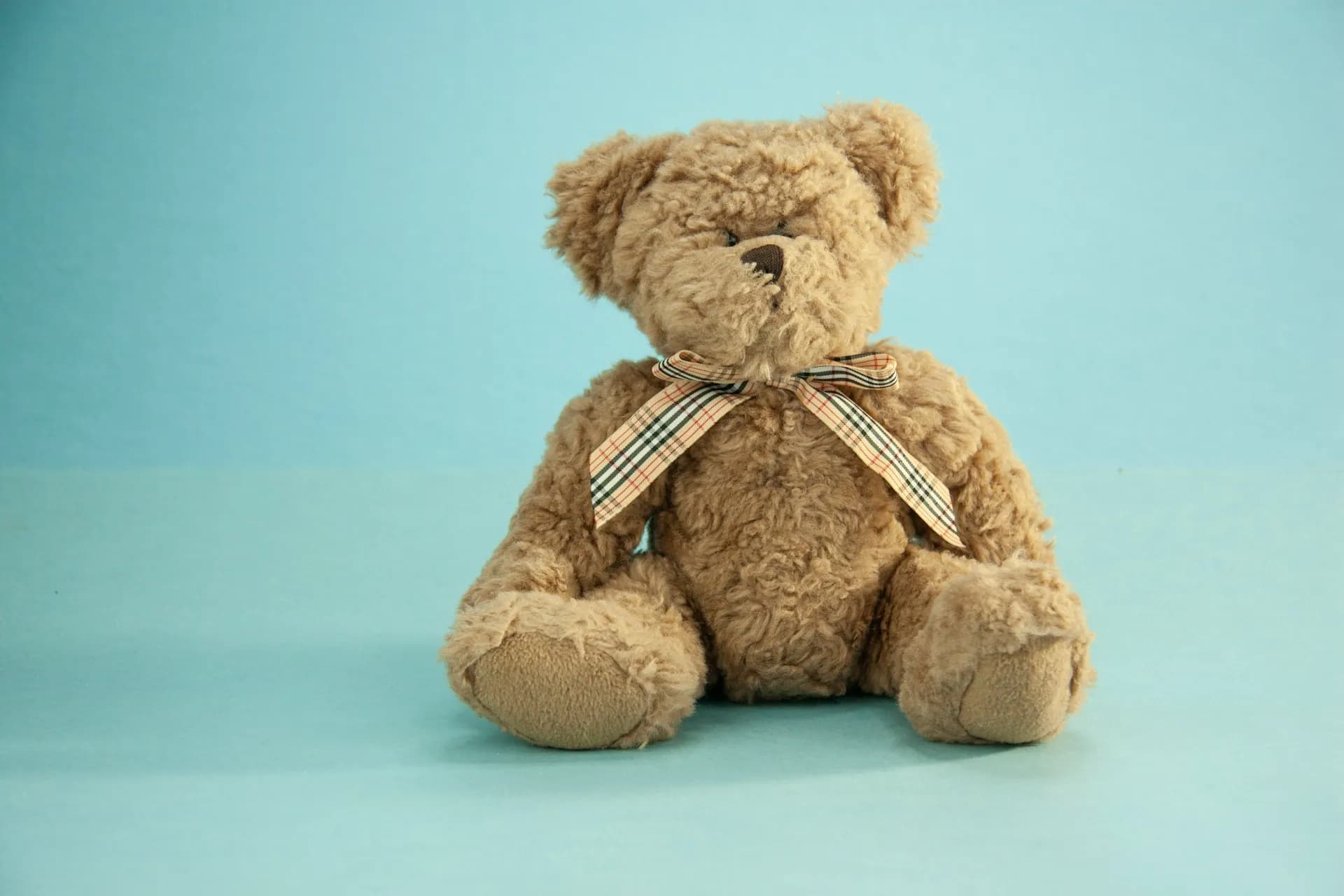
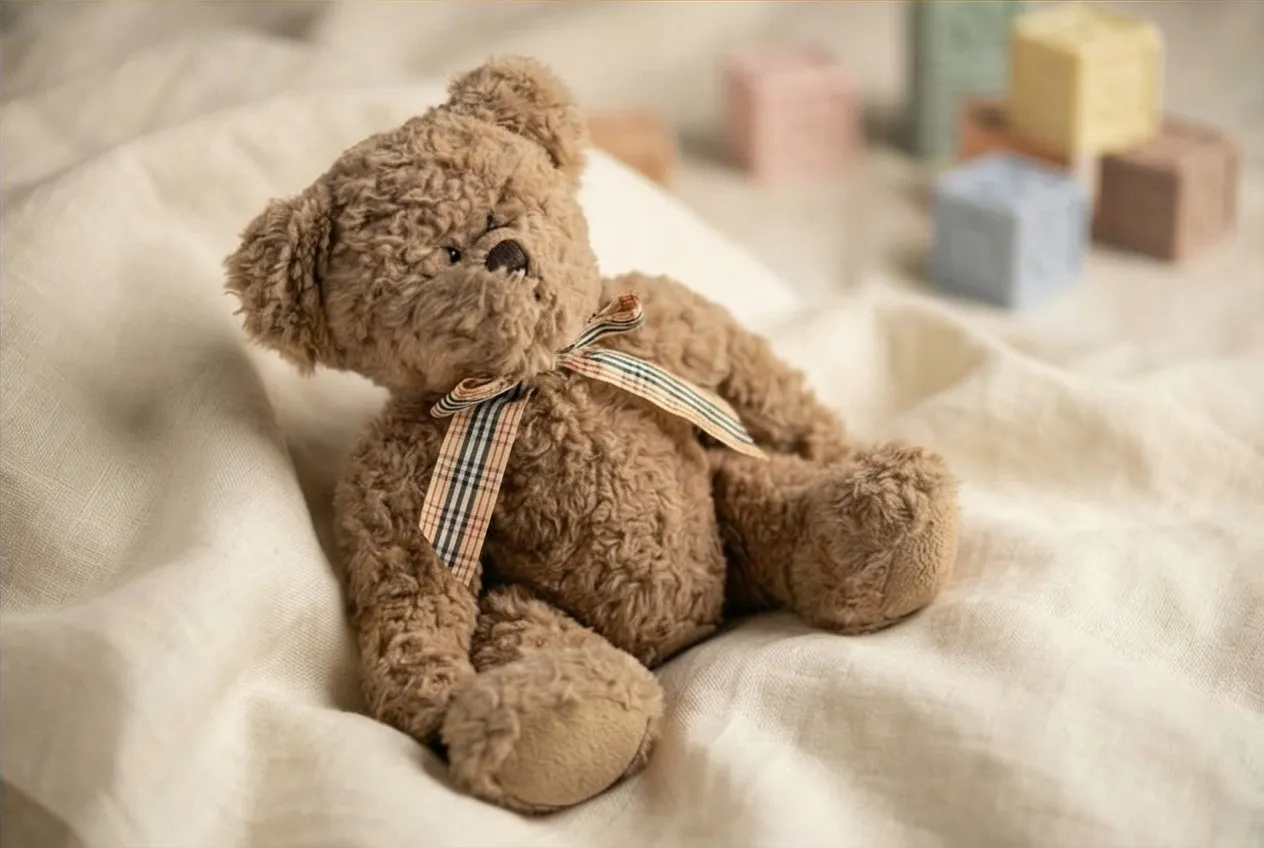
Generated with Prodofoto in under 60 seconds. No props, no location, no photographer.
How to Photograph Your Pet Products With Prodofoto
Prodofoto is built inside Shopify. You don't upload files or manage prompts. You pick a product from your catalog, choose a mode, and get 4 lifestyle photos in about 60 seconds. Publish directly back to your Shopify product listing.
Start with a clean product photo
Your source image doesn't need to be perfect — good lighting and an uncluttered background give the AI the most to work with. For collars and accessories, a straight-on shot shows the product at its best. For bags and packaging, keep the front label fully visible.
Select the product in Prodofoto
Prodofoto pulls directly from your Shopify catalog. No uploading. Find the product you want to shoot, select it, and move on.
Choose your photo mode
For most pet products, Lifestyle mode generates the on-pet and room-context shots that drive conversions. Product-Only mode works well for packaging shots and detail close-ups that need a clean backdrop. On-Model is available for pet apparel and costume items.
Generate and review
Prodofoto generates 4 photos in about 60 seconds. You get variety in every batch — different lighting, different angles, different scene contexts. Pick the ones that best match your gallery strategy. Regenerate if you want more options.
Publish to your listing
One click sends selected photos directly back to your Shopify product listing. No downloading, no re-uploading, no resizing. The images go live where your customers are already shopping.
Prodofoto generates up to 9 photos per product in about 60 seconds for under $1. No prompting, no animal coordination, no location fees.
The entire workflow — select, generate, review, publish — stays inside Shopify. Compatible with all Shopify plans.
Install Prodofoto on ShopifyFor more on AI product photography for specific Shopify categories, see our guides on jewelry & accessories and home decor & furniture.
To understand how the underlying technology works, read The Complete Guide to AI Product Photography for Shopify.
Turn One Clean Product Photo Into a Full Pet Product Gallery
Lifestyle scenes, on-pet context, texture close-ups, seasonal variants. Prodofoto generates up to 9 images per product in 60 seconds for under $1. No animals required.
Frequently Asked Questions
Does AI product photography work for pet products with animals in the shot?
Yes. AI generates lifestyle scenes that include realistic pets as contextual props — a dog collar shown on or beside a dog, a cat bed with a cat curled inside. You provide the product image; the AI builds the scene around it. The generated animal is part of the background context, not a photorealistic model of your specific pet.
How many product photos does a pet supplies listing need?
Plan for 6–8 images per SKU. A high-performing pet listing typically includes: one clean white-background shot for Google Shopping, two lifestyle images showing the product in use (on a pet or in a home setting), one detail/texture close-up, one scale reference, and one packaging or multi-variant shot. Treat these as the baseline, not the ceiling.
What pet product categories convert best with lifestyle imagery?
Collars, harnesses, and accessories see the biggest lift because on-pet context closes the fit question. Beds and furniture convert better when shown with scale reference (a dog or cat inside establishes size). Toy photography benefits from action-adjacent scenes. Treat bags and food packaging have less to gain from pure lifestyle — focus on label clarity and ingredient visuals instead.
How much does professional pet product photography cost compared to AI?
Traditional pet product photography runs $75–$200 per SKU for studio shots and $200–$500+ when live animals are involved (animal trainers, handlers, safety coordination add cost). For a 50-SKU catalog, that is $4,000–$25,000+. AI generates a complete image set per product in 60 seconds for under $1. A 50-SKU catalog runs about $50.
Does Prodofoto work for pet food and treat packaging?
Yes, for lifestyle and hero shots. Prodofoto generates scenes showing treat bags on kitchen counters, bowls staged in a pet feeding corner, and supplement jars in natural light. For pet food, prioritize keeping the front label fully visible in your source image — the AI uses it as the product reference and preserves label detail in the generated scene.
Can I use the same source photo for multiple product variants?
If your variants differ only in color or pattern, you can generate separate runs for each variant using its own source image. Each run produces up to 9 images in about 60 seconds. For size variants of the same product, one strong lifestyle image often serves all sizes — add a size chart or scale reference image alongside it.
What is the conversion rate for pet products on Shopify?
Pet care ecommerce converts at 2.32–4.17% on Shopify, above the platform average of 2.5–3%. The category benefits from high purchase frequency and emotional attachment to pets. Listings with full lifestyle galleries (pet-in-use context, scale reference, detail shots) perform at the upper end of that range. White-background-only listings cluster near the lower end.
References
- 1. Promodo — Pet care marketing benchmarks 2026 (CVR 2.32–4.17%)
- 2. Metatech Insights — Pet Photography Market 2025–2035 (market size $188B)
- 3. GrabOn — eCommerce product photography statistics (40% conversion lift, 3x purchase likelihood with context imagery)
- 4. Rewarx — Ecommerce product photography conversion rates 2026
- 5. Baymard Institute — Cart abandonment and product page usability research
- 6. Nightjar — AI Product Photography for Pet Brands: A Sub-Vertical Playbook
- 7. Shopify — Product photography guide and best practices