Sports, Fitness & Activewear
AI Product Photography for Sports, Fitness & Activewear Shopify Stores
Activewear is one of the hardest categories to sell online. Shoppers need to feel how leggings move, see how a sports bra fits, and visualize running shoes on a trail. A white-background shot answers none of those questions. On-model lifestyle photography does. AI generates that context in 60 seconds for under $1 per product.
By LinkedIn: Brian Chen • 8 min read • Published June 27, 2026
Quick Answer
Sports and fitness listings need 6–8 images: a clean background shot, two on-model lifestyle shots showing fit and movement, a fabric detail close-up, a scale or layering shot, and a lifestyle environment image. Traditional on-model activewear shoots cost $800–$2,000 per half-day session. AI generates the full set in 60 seconds for under $1 per product. Stores with strong lifestyle photography convert at 3–4.5% versus 1–2% for white-background-only listings (Eevy.ai, 2026). The global activewear market hit $456 billion in 2026 and is growing. The stores that win show the product in motion.
Why Activewear Photography Is Harder Than Other Categories
A white-background leggings shot tells a buyer what the pattern looks like. It doesn't tell them whether the waistband rolls during a squat, how the fabric sits on a real body at different sizes, or whether the color looks as bold in indoor light as it does on screen. Those are the questions that separate a click from a conversion.
77% of apparel returns come down to sizing and fit issues (Eightx, 2026). For activewear, the stakes are even higher. Shoppers buy fitness gear to perform. If the photos don't answer performance questions, they don't buy — and if they do buy without that context, they return at a higher rate.
Traditional on-model photography answers these questions, but at a price. A half-day activewear shoot costs $800–$2,000 with models, a location or studio, wardrobe styling, and post processing. For a 50-SKU activewear line, that math adds up fast. Most small Shopify fitness brands default to supplier flat lays and lose conversions because of it.
AI changes the equation. It generates on-model lifestyle scenes from a single clean product photo. Gym settings, outdoor runs, yoga studios — all built around your product without a model booking or a studio reservation.
| Challenge | Traditional Photography | AI Photography |
|---|---|---|
| On-model fit context | Model booking, fitting session, half-day shoot ($800–$2,000) | AI places product on a model in an athletic context |
| Athletic lifestyle setting | Gym or outdoor location rental, permits, travel | AI generates gym, trail, or studio scenes on demand |
| Fabric detail close-up | Macro lens setup, studio lighting rig, props | AI generates texture and detail shots from source image |
| Color variant coverage | Full reshoot per color, multiplying cost per variant | Separate run per variant, same 60-second turnaround |
| Cost per SKU | $75–$300 per final image; $800–$4,000 per shoot | Under $1 for up to 9 images |
| Turnaround | Days to weeks from scheduling to delivery | 60 seconds per product |
The 5 Image Types Every Fitness Listing Needs
Fitness shoppers buy with intent. They already know they want activewear. What they're evaluating is whether your specific product fits their body, their workouts, and their sense of style. Each image type answers a different part of that question.
Clean background shot
Required for Google Shopping compliance and marketplace listings. Lead your gallery with a white or light-neutral background image that shows the product clearly with no distractions. Every other image type in this list builds on top of this foundation. Skipping it risks listing suppression on Google's Shopping tab and filtering on major marketplaces.
On-model lifestyle shot
This is the conversion driver for activewear. Shoppers are 20–30% more likely to buy when they can see how the garment fits a real body in motion (ConvertMate, 2026). For leggings, the squat test context matters. For sports bras, the support and silhouette under a fitted top. For running jackets, the way the fabric moves at speed. These aren't aesthetic details — they're purchase decision inputs.
Fabric detail close-up
Moisture-wicking, four-way stretch, thermal regulation, compression — buyers want to know these properties are real, not just marketing copy. A macro close-up of the fabric weave, the stitching at the seams, or the texture of the waistband band communicates quality faster than any bullet point. Shoppers can't touch your product through a screen; the close-up is your substitute for the in-store feel.
Athletic context environment shot
Show the product where it will actually be used. Running shoes on a trail at golden hour. Resistance bands in a home gym setup. A gym bag in a locker room. These images sell the outcome — a capable, active version of the shopper's best self — not just the product. Lifestyle environment shots drive 40–60% higher time on page (Almostzero, 2026), which signals buying intent to both humans and ranking algorithms.
Layering or scale reference
For any product that layers (warm-up jacket over a sports bra, compression shorts under running shorts) or has size variance that matters (a gym bag that needs to fit a specific amount of gear), a layering or scale reference shot closes the imagination gap. Show how the product pairs with what shoppers already own. Show a filled bag next to a water bottle for scale. One image per size tier reduces sizing-related questions and returns.
AI Photography by Fitness Product Type
Different fitness products need different image strategies. Here is what works for each major category.
Leggings, Tights & Compression Gear
Fit and silhouette are everything. Your hero lifestyle shot must show the garment on a model in an athletic position — a lunge, a squat, a seated stretch — not just standing. AI generates these on-model athletic poses from your product image. Add a fabric close-up showing texture and weave. Include a waistband detail shot for products with high waistbands. One size-specific image per size tier reduces the 77% fit-related return rate dramatically.
Sports Bras & Crop Tops
Support and fit under movement are the primary purchase questions. An AI-generated lifestyle shot showing the product in a training context communicates these properties. Include a detail shot of the band, straps, and clasp hardware. A side-profile lifestyle shot shows bra depth and support structure — information shoppers need but rarely get from front-only photos.
Running Shoes & Athletic Footwear
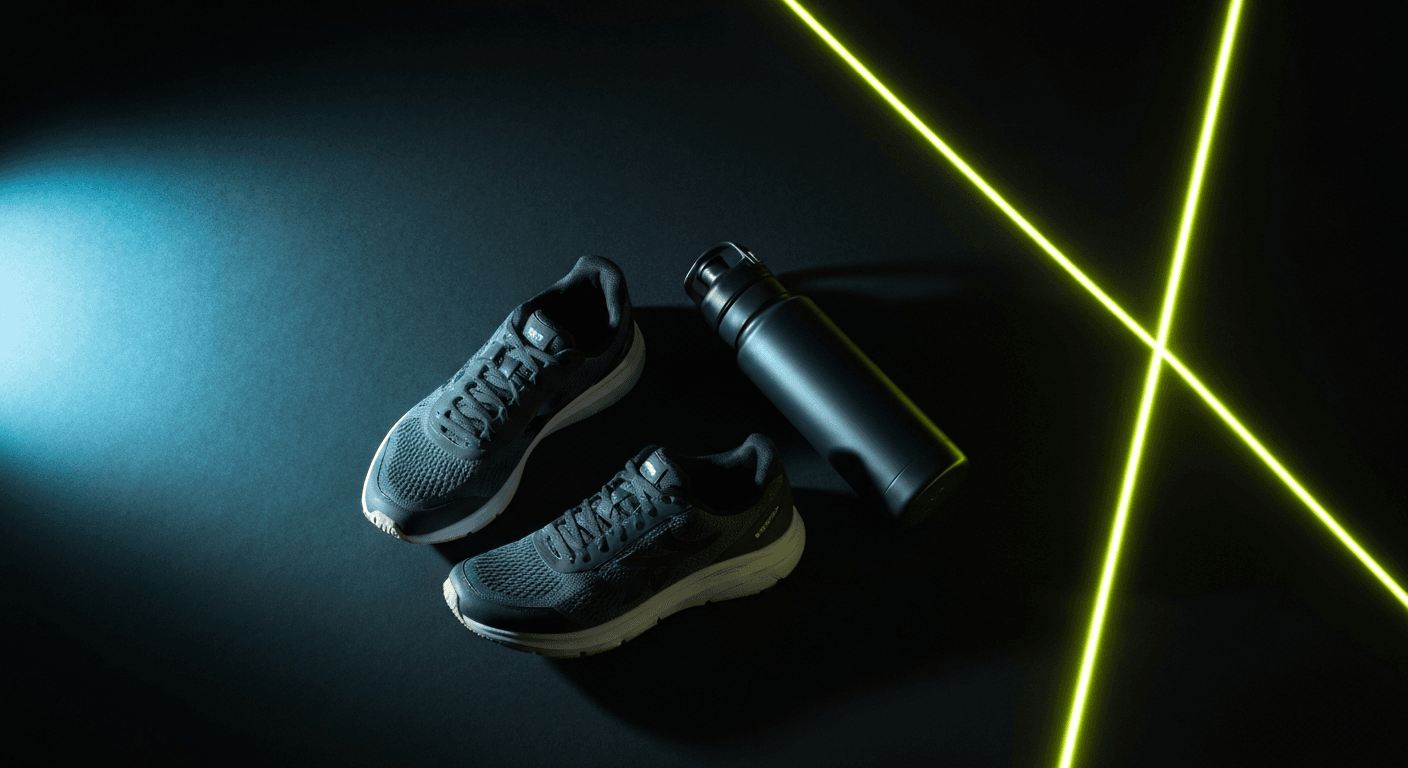
Context is everything for footwear. A running shoe on a white background loses all its character. An AI-generated outdoor scene — a trail, a track, a city sidewalk at dawn — immediately communicates the product's intended use and visual identity. Add a sole detail shot for traction and cushioning. A lateral profile in a natural setting is typically the highest-converting single image for athletic footwear.
Gym Equipment & Accessories
Scale and setup context drive gym equipment purchases. A pair of resistance bands on a white background offers no reference for size, resistance feel, or how they attach to a door anchor. An AI-generated home gym scene with the bands in use answers all three questions. For free weights and kettlebells, a staging shot in a gym corner with a water bottle and towel signals authentic use. For accessories (straps, belts, gloves), an on-hands or on-wrists close-up is the primary conversion shot.
Supplements, Protein & Sports Nutrition
Trust and quality perception are the purchase drivers for supplements. Keep the front label fully visible in your source image — the AI uses it as its primary reference. Staging works best in health-adjacent contexts: a protein powder tub on a clean kitchen counter with a shaker bottle, a pre-workout sachet beside a gym bag, a greens supplement on a marble surface with fresh produce. Bright, clean, natural-light aesthetics signal quality and ingredient integrity better than dark dramatic staging in this category.
| Product Type | Must-Have Shot | Primary Buyer Question |
|---|---|---|
| Leggings & Tights | On-model athletic pose (squat/lunge) | Does it stay up? Does it look good on my body? |
| Sports Bras | On-model side profile in training context | Will it support me during workouts? |
| Athletic Footwear | Lateral profile in outdoor/athletic setting | Does it look as good in real life as in the photo? |
| Gym Equipment | In-use lifestyle scene with scale context | How big is it? Will it work in my space? |
| Sports Nutrition | Clean kitchen/counter staging, label visible | Is this a quality product I can trust? |
Fitness Product Photography: Before & After
The same product. Two completely different purchase signals. A clean studio shot establishes what a shoe looks like. A lifestyle scene in an athletic context establishes why you want it. For footwear especially, the gap between the two is stark.
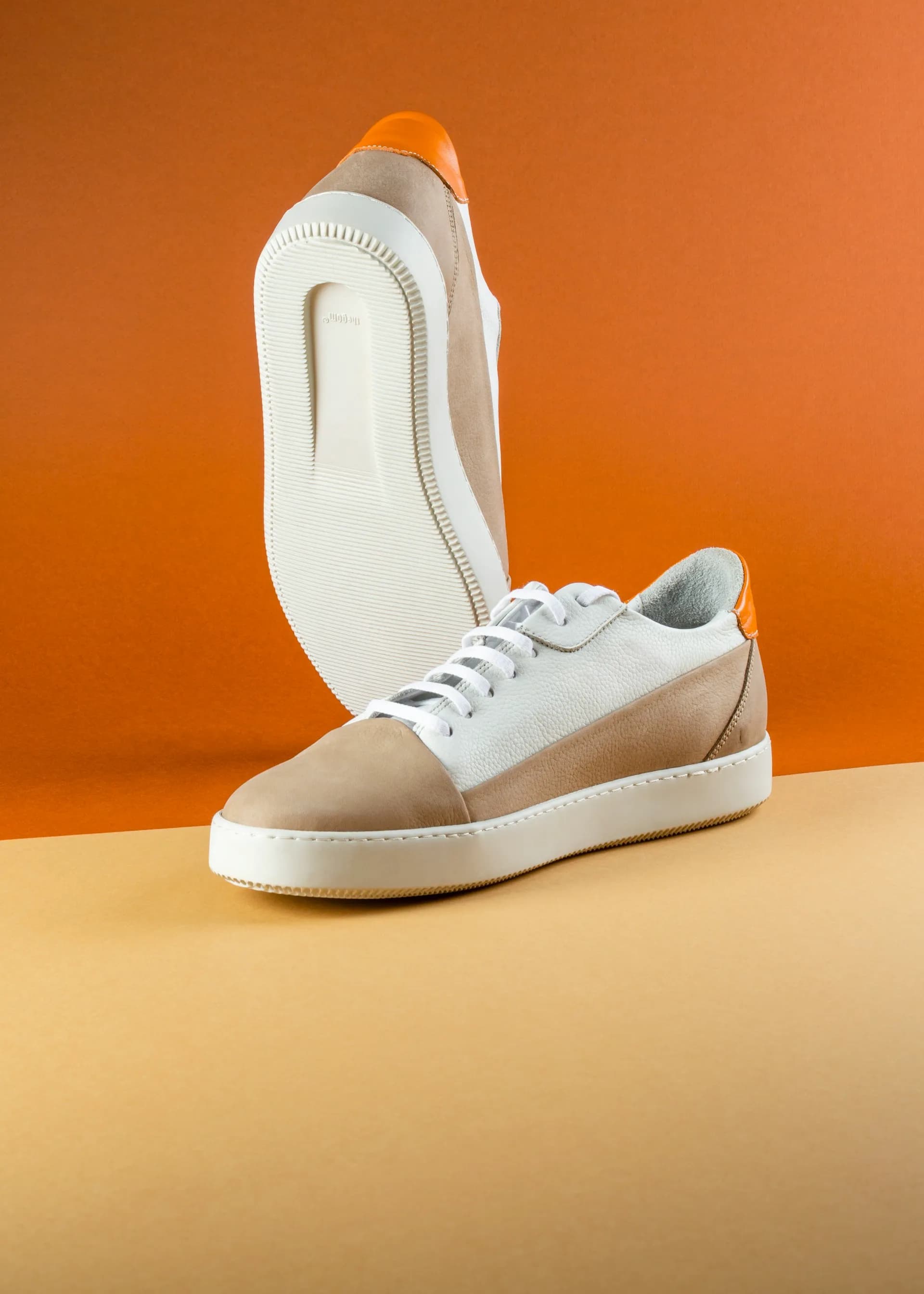
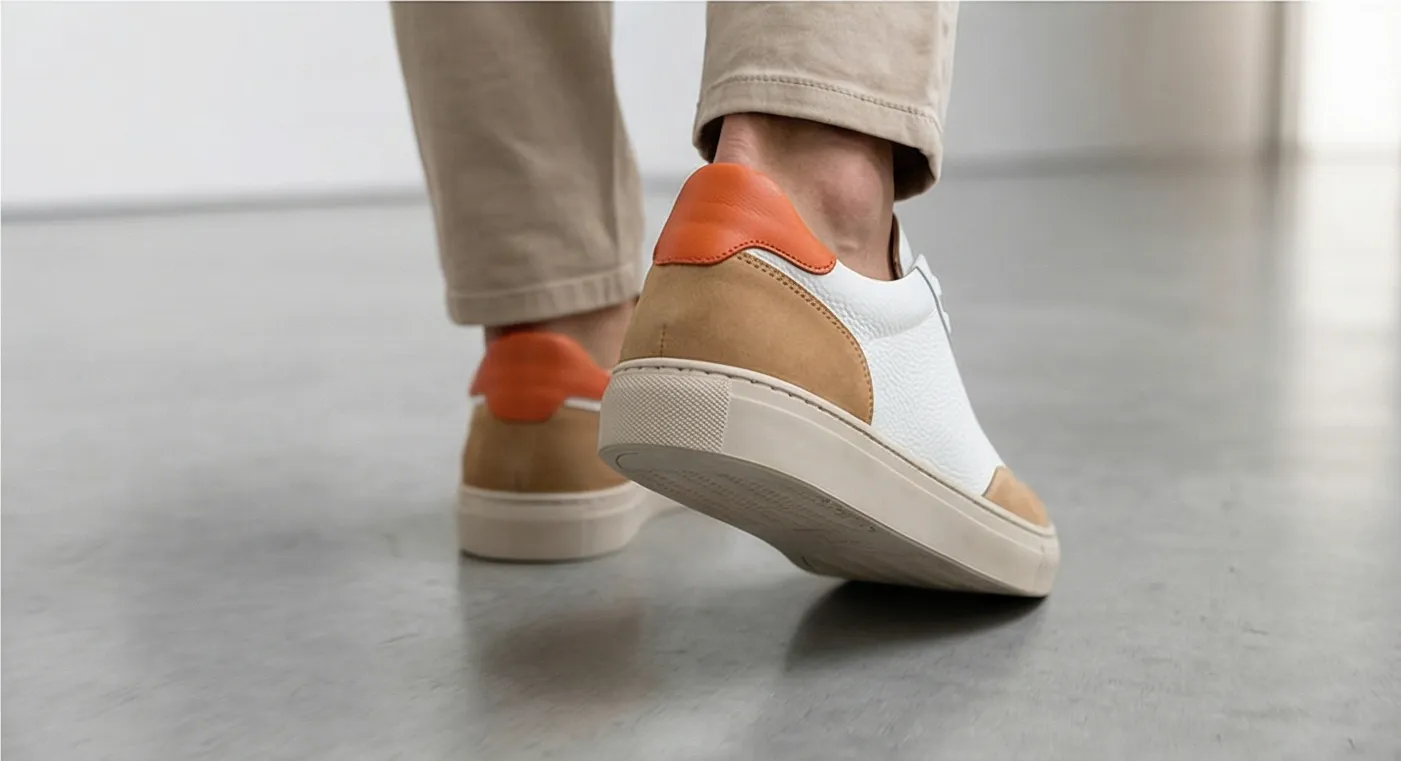
Generated with Prodofoto in under 60 seconds. No model booking, no location rental, no photographer.
How to Photograph Your Fitness Products With Prodofoto
Prodofoto lives inside Shopify. You don't manage prompts or upload files to a separate tool. You pick a product from your Shopify catalog, choose a photo mode, and get 4 lifestyle images in about 60 seconds. Publish directly back to your product listing.
Start with a clean, well-lit product image
Your source image doesn't have to be professional studio quality, but good lighting and a simple background give the AI the most to work with. For apparel, a hanger or flat-lay shot on a light surface works well. For footwear, a straight lateral profile is the most useful angle. For gym equipment, a front-facing shot with the product fully visible.
Select the product in Prodofoto
Prodofoto pulls directly from your Shopify catalog. No uploading. Find the product you want to shoot, select it, and move to the next step.
Choose your photo mode
For most fitness apparel, On-Model mode generates the athletic lifestyle shots that drive conversions — a model in a gym, on a trail, in a yoga class. Lifestyle mode works well for gym equipment, accessories, and supplements, placing the product in a realistic athletic environment without a model. Product-Only mode is available for clean detail shots and packaging images.
Generate and review
Prodofoto generates 4 photos in about 60 seconds. Each batch varies lighting, angle, and scene context, so you always get options. Pick the shots that fit your gallery strategy — or regenerate for more. You can run multiple rounds for the same product without additional setup time.
Publish to your Shopify listing
One click sends the selected photos directly to your Shopify product listing. No downloading, no file management, no re-uploading. They go live where your customers are already browsing.
Prodofoto generates up to 9 photos per product in about 60 seconds for under $1. No model booking. No studio. No waiting.
The entire workflow stays inside Shopify. Compatible with all Shopify plans.
Install Prodofoto on ShopifyFor more on AI product photography for specific Shopify categories, see our guides on jewelry & accessories and pet supplies.
To understand how the underlying technology works, read The Complete Guide to AI Product Photography for Shopify.
Turn One Clean Product Shot Into a Full Activewear Gallery
On-model lifestyle shots, fabric detail close-ups, athletic environment scenes, seasonal variants. Prodofoto generates up to 9 images per product in 60 seconds for under $1. No model required.
Frequently Asked Questions
Does AI product photography work for on-model activewear shots?
Yes. AI places your fitness apparel — leggings, sports bras, running jackets — on realistic models in athletic contexts: a gym, a running trail, a yoga studio. You provide the product image; the AI builds the scene. The result shows fit, stretch, and movement context that flat product shots can't communicate.
How many product photos does a fitness listing need?
Plan for 6–8 images per SKU. A high-converting activewear listing typically includes: one clean white-background shot for Google Shopping compliance, two on-model lifestyle shots showing fit and movement, one fabric detail close-up showing texture and material quality, one scale or layering shot, and one lifestyle environment image (outdoor run, gym setting, yoga class). That set closes the main buyer questions before they have to ask.
Can AI capture how performance fabrics look during movement or exercise?
AI generates action-adjacent scenes that imply movement — a runner mid-stride, leggings with a slight stretch suggested in the pose, a training jacket with dynamic lighting. It cannot generate true high-speed motion blur (that requires actual video or burst photography), but lifestyle shots with athletic poses and settings do more conversion work than static flat lays.
How much does traditional on-model activewear photography cost compared to AI?
Traditional on-model fitness shoots run $800–$2,000 for a half-day (15–30 final images) and $1,500–$4,000 for a full day (30–60+ images). Model fees, location, and styling add further costs. AI generates a complete image set per product in 60 seconds for under $1. A 50-SKU activewear catalog costs under $50 with AI versus $4,000–$20,000+ traditionally.
What activewear categories see the biggest conversion lift from lifestyle photography?
Leggings, sports bras, and compression gear see the largest lift because on-model photos directly answer the fit question. Running shoes benefit from outdoor lifestyle scenes that show the product in intended use. Gym equipment and accessories benefit from lifestyle context (home gym setup, commercial gym backdrop). Supplements and protein powders benefit from kitchen/counter staging that signals quality and lifestyle alignment.
How do I handle color variants for activewear with AI product photography?
Generate separate runs for each color variant using its own source image. Each run produces up to 9 images in about 60 seconds. For size variants of the same color, one strong lifestyle image often serves all sizes — pair it with a size guide image showing the fit model's measurements alongside the garment.
What is the average conversion rate for sports and fitness stores on Shopify?
Sports and fitness stores on Shopify average 2.0–3.5% conversion rate. Stores with strong on-model lifestyle photography and brand identity reach 3–4.5%, while top performers hit 5%+. The gap between bottom and top quartile performers tracks closely with image quality: white-background-only listings cluster near the 1–2% range; full lifestyle galleries push into the 3–5% range.
References
- 1. Eevy.ai — Shopify Conversion Rate Benchmarks by Industry 2026 (sports & fitness 2.0–4.5%)
- 2. Eightx — Average Ecommerce Return Rate 2026 (77% of apparel returns due to sizing/fit)
- 3. ConvertMate — The Influence of Lifestyle Product Images (20–30% higher conversion on-model vs flat lay)
- 4. Almostzero — Why Lifestyle Photography Outperforms Product Shots (40–60% higher time on page)
- 5. Grand View Research — Activewear Market Report 2026 ($456B market, 9% CAGR)
- 6. Lars Miller Media — Product Photography Pricing 2026 ($800–$4,000 per activewear shoot)
- 7. Shopify — Product photography guide and best practices